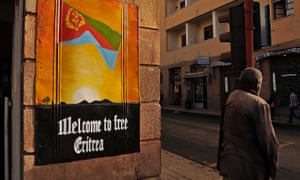
ኣብ ፈስቲቫል ኤርትራ ፍራንክፈርት 2016

ሽወደናዊ ናይ መሰል ተሓላቒ ቶማስ ማግንሶን ናይ ዝቐረበ መደረ ትርጉም

ኣብ ቅድሚ እዚ ኣገዳሲ ዝኾነ በዓልን ዋዕላን ቀሪበ  ቃል ንምሃብ ዕድል ምርካበይ ዓሚቚ ኲርዓት ይስመዓኒ። እሕዋት፥ ብዛዕባ ኤርትራ ንስኻትኩም ዘይትፈልጥዎ ክነግረኩም ኣይክእልን እየ።  ዝህቦ ርእይቶ  ናይ ወጻእተኛ  እዩ።

ኣነ  ምስ ስደተኛታት ኣብ ሽወደንን፥ ኣብቲ ኣብ ከተማ ጉተንበርግ ገለ ሓደስቲ ምጻእ ኤርትራውያን ስደተኛታት ዝርከብዎ ናይ ውህደት (integrity)  ማእከል ከም ስቪል ኣገልጋሊ  ዝሰርሕን፥ ከም ማሕበራዊ ደሞክራት ነቲ ዓለም ለኻዊ ኮሚተ ናይ ሰልፊ ማሕበራዊ ደሞክራሲ ሽወደን ናይ ጉተንበርግ መራሕን፥ ከምኡ እውን ንምሉእ ህይወተይ ናይ ሸወደን ናይ ሰላም ምንቅስቓስ ንጡፍ ኣባል ዝነበርኩን፥ ኣብ ጀነቫ ስዊዘርላንድ ዝመደበሩ ኣህጉራዊ ናይ ሰላም ቤት ጽሕፈት  ንብዙሕ ዓመታት ዝሰራሕኩን ቃለይ ከቕርብ እየ።

ከም ወጻእተኛ ኮይነ ክዛረብ፥ ኣፍልጦይ ኣብ ህልዊ ኩነታት ኤርትራ ምስቶም ኣብቲ ብባይቶ ጉተንበርግ ዝካየድ ናይ ማእከል ውህደት ዝመጹ ሓደስቲ ኤርትራውያን ሰደተኛታት ብምስራሕ  ዝረኽቦ ሓበሬታ መሰረት  እዩ። እቶም መንእሰያት ንህይወቶም ኣብ ሓደጋ ኣቃሊዖም   ካብታ ዝፈትውዋ ሃገሮም ርሒቖም  ዑቕባ ንምድላይ  ካብቲ ስርዓት ንኸምልጡ ዝገበረ ጭካኔ ነቲ ኣብ ኤርትራ ዘሎ ስርዓት ዝምልከት ብዙሕ  ምስክርነት  ሰሚዐ።

ንብዙሕ ዓመታት ኣብ ሽወደን ዝተቐመጡ ኤርትራውያን ነቶም ሓደስቲ ብዛዕባ ሽወደን  ናይ ምልላይን ምትሕብባርን  ከምኡ እውን ምምሃርን ኣድላዪ ፍልጠትትን ማዕዳን ኣብ ምስናቕ ንኡድ ስራሕ ዝሰርሑ ዘለዉ መማህራን፡ ሓደ  ካብኣቶም  ጸሃየ ቀለታ ዝርከብዎም መሳርሕተይ  ኣብቲ ቤት ጽሕፈት ኣለዉኒ።

ይኹን እምበር እቲ ኣገዳሲ ኣፍልጦ ካብቶም ሓደስቲ ሰደተኛታት ዝወጽእ ዛንታ እዩ። እቲ ዛንታ ከኣ ብዛዕባ ጭካኔን፥ ስቓይን፥ ንህይወቶም ኣስጋኢ ዝኾነን፥ ዛዕባ እዩ።

እቲ ጭብጥታትን ሓበረታትን ብዛዕባ እታ ገና ኣብ ልቦም ዘላን፥ ንድሕሪት ዝገደፍዋ ኤርትራ እዩ። እቲ ዛንታታት እቲ ካብቲ ዝዓነወ ህይወትን ንኽትኣምኖ ዘይካኣል ስቓይን እዩ።

እቶም ዝረኽቦም ዝነበርኩ ናይ ኤርትራ ስደተኛታት ከኣ ካብቲ ወተሃደራዊ ኣገግሎትን ካብቲ  ኣገባባት ጭካኔ ናይቲ ስርዓት ኤርትራ  ንኸምልጡ ዕድል ዝረኽቡን፥ ኣብ መደበር ስደተኛታት ሱዳን  ወይ ካልእ  ቦታ ከይተታሕዙን ብዝይ ዝኾነ ይኹን ናብ ካልእ ንኽቕጽሉ ዕድል ዘይረኸቡን፥  ካብቶም ነጋዶ ደቂ ሰባትን ፥ ኣብ ሊብያን ግብጽን ኢስራኤልን ናይ ዑቕባ ምዝመዛን ከምኡ እውን ካብ  ክትኣምኖ ዘጸግም ግፍዒ ዘምለጡን፥ እቶም ንኤውሮጳ ገጾም ከምርሑ ኣብ ማእከላይ ባሕሪ ዘይጠሓሉን ዘይሞቱን፥ እቶም ኣብ ኤውሮጳ ናይ ዳግማይ ህንጸት ህይወቶም  ዝጅምርሉ ናይ ሰላም ቦታ  ዝተዓደሉ ጥራሕ   ከም ዝረኽብኩ ብርግጽ ይፈልጥ እየ።

ኩሉ እቲ ዝሰማዕክዎን ዝፈልጦን ገለ ክንገብር ከም ዘድሊ እዩ ዝሕብር። ንሱ ከኣ ነቲ ዝበዝሐ ካብ ኤርትራን ካልእ ቦታታትን ዝመጽእ ህዝቢ ኣብ ኤውሮጳ ሓዲሽ ህይወት ንኽጅምርን፥ ትምህርቲ ክረክብን፥ ክሰርሕን ንነፍሱ ክኽእልን ቁስሉ ክሕውን ዕድል ምሃብ እዩ።

ኤውሮጳ ተቐባሊት ስደተኛ ምዃና ንምውሓስን፡ነቲ ብናይ የማናይ ክንፊ ፖለቲከኛታት ዝምዝመዝ ናይ ጽልኢ መንፈስ ንምስዓርን፣  ንሕና ኤርትራውያን፡ ጀርመናውያን፡ ሽወደናውያን ወዘተ - ሓቢርና ብምስራሕ ንሓደስቲ ስደተኛታት፣ ኣብ ስራሕ፡ ኣብ ቤት ትምህርትታት፡ ኣብ ናይ  ቋንቋ ትምህርትን ከምኡ'ውን ኣብ ካልእ መዳያት ህይወት ተቐባልነት ረኺቦም ኣብ ሕብረተሰብ ከም ዝሕወሱ ኣብ ምግባር ክንዕወት ይግባእ።ስደተኛታት ብመሰረቱ ንሰብ ከጸግሙ ኢሎም ኣይኮኑን ኣብ ስደት ወዲቖም ... ንኤውሮጳ ዝመጹ....

ብዝኾነ ይኹን መገዲ ኩሉ ዝከኣልና ምእንቲ ክንሕግዝ ኣብ ጉተንበርግ ሓደ ሓዲሽ ውድብ ‘’ኤርትራ ኣብ ልብና’ ኢልና እንሰምዮ፥ ኤርትራዊ ሽወደናዊ ምሕዝነት ዝብል ማሕበር ኣቑምና ኣሎና። እዚ ከኣ ብዛዕባ እቲ ኣብ ኤርትራ ዘሎ ሓደገኛ ፖለቲካዊ ኩነታት ጥራሕ ዘይኮነስ እንተላይ ብዛዕባ እወንታዊ ተዘክሮታት፥ ባህሊ፥ ሙዚቃን ህዝብን ኤርትራ ንምሕባር ዝብል ሓሳብ እዩ። እዚ ማሕበር እዚ ንኹሎም ኤርትራውያን ግን ከኣ ነቶም ኣብ ኤርትራ ተገዳስነት ዘለዎምን ክፉት እዩ።

ኣሕዋት፥ ኣብዚ ዋዕላ እዚ ርእይቶይ ክገልጽ እንከለኹ እቲ ኣብ ኣእምሮይ ዝቕረጽ ስእሊ ካብቶም ሓደስቲ ስደተኛታት ዝመጹ ጥራሕ ዘይኮነስ እንተላይ ካብ ካልኦት ሰባት ከም ጸሃየ ቀለታ ካብ 1990ን ቅድሚኡን ዝነበረ ናጽነታዊ ቃልሲ ኣትሒዘ ዝፈልጦ እውን ዝምንጩ እዩ። እቶም ዝኣምኖም ሰባት ንዓይ ስለምንታይ ሓርነት ኤርትራ ከም ዝተጠልመ ፥ ነዛ ሓዳስ ሃገረ ኤርትራ ንምቕራጽ መሰልኩም ከመይ ከም ዝተዘምተን ንኸርዳእ ሓጊዘሙኒ።

እዚ ዋዕላ እዚን ዝሓለፉ ዋዕላታትን ኣብዚ ኣብ ፍራንክፈርት፥ ነታ ሃገር ናብ ዲሞክራሲን ናብ ሰብኣዊ መሰልን ሰላምን ናብ ግዝኣተ ሕግን ንምምላስ ዘገልግል ዕላማ ምዃኑ ይረደኣኒ እዩ። ስለዚ ናብቲ ክብርታት እቲ ንምብጻሕ ሓባራዊ ቃልስን፥ ሰፊሕ ምትሕብባርን ዝብል ጭርሖ ናይዚ ኮንፈረንስ እዚ፥ ብዛዕባ ናጽነት ኤርትራ ስለዝነበረ ይሕግዞን ይድግፎን እየ።

ኣሕዋት፥ ካብ ሰልፊ ማሕበራዊ ዲሞክራሲ ሸወደንን፥ ካብ ማሕበራዊ ደሞክራሲ ጉተንበርግን፥ ካብ ኣህጉራዊ ዋና ጸሓፊ ማሕበራዊ ደሞክራሲ ሰልፊ ስቶክሆልም ኣቶ እንድሪነ ዊንተር ሰላምታ ነታ መሓዛ ዝኾነት ሰልፊ፥ ሰልፊ ዲሞክራሲ ህዝቢ ኤርትራ ናብዚ ዋዕላ የቕርብ።

ሰልፊ ማሕበራዊ ደሞክራሲ ሽወደን ነዚ ቃልስኹም ንምሕጋዝ ብዙሕ ክገብር ይኽእልዶ? ርእይቶታትኩም ንምስማዕ ክፍትን እየ። ከምኡ እውን ዝኾነ ይኹን መልእኽቲ ካባኹም ንሰልፈይ ኣብ ሽወደን ክተቕርቡን ክገብሮ ዝኽእል ክገብርን በዘሎኒ ውሱን ዓቅሚ’ውን ይኹን ንኩነታት ኤርትራ ናይ ሓገዝን ቆላሕታ ንምርካብን ኣድላይነቱን ዝያዳ ንምብራህ ከበርክት እየ። ኣብ መንጎ ማሕበራዊ ደምክራሲ ሰልፍታት ምትሕብባር ኣድላዪ ምዃኑ ይሓስብ እየ።

ደሞክራስያዊትን ናጻን ኤርትራ ምህናጽ ምስ ዝዕላማኦም ገስገስቲ ኤርትራውያን  ሓባርዊ ቃልስን  ሓቢርካ ምቅላስን። ከምኡ ኣውን  ምስ ኣብ ዝተፈላለየ ሃገራት ዘርከቡ ማሕበረ- ደሞክራስያውያን ምድግጋፍን ሕድሕድ ምትብብባዕን  ሓቢርካ ምቅላስ።

ኣሕዋት፥ ምስ ብዙሓት ኣብ ሽወደን ዝቕመጡ ኤርትራውያን ከም ዝፋለጥ ኣቐዲመ ሓቢረኩም ነይረ። ገለ ካብኦም ኣቐዲመ ካብ ግዜ ናጻነታዊ ቃልሲ ዝፈልጦምን ገሊኦም  ከኣ ካብቲ ሽዑ ኣትሒዙ ዝጀመረ ዕርክነትና ጌና ይቕጽል ኣሎ።

ይኹን እምበር  ኣብቲ ግዜ ናጽነት ኤርትራ ተራኺብና ዝተፋለጥናን ንግንቦት 1991 በዓል ናጽት ኤርትራ ሓቢርና  ዝብዓልናን  ኣነ ብዘይተጸበኹዎ ዝተለወጡ ብርክት ዝበለ ቁጽሪ ኤርትራውያን ኣብ ጉተንበርግ ኣለዉ። ብዛዕባቶም ደግፈቲ ኢሰያስ ኣፈወርቅን ስርዓት ኢሰያስን ይዛረብ ከምዘሎኹ ርዱእ እዩ።

ብግልጺ ንምዝራብ እቶም ካብ ኤርትራ መጺኦም ኣብ ደሞክራሲያዊት ሸውደን ዝቕመጡን፥ ብሓያል ስምዒት ንናጸነትን ሓርነትን ኤርትራ ዝድግፉ ዝነበሩ፥ ሎሚ ከመይ ኢሎም ነቲ ገፋዒ ስርዓት ደገፍቲ ምዃኖምን፥ ከመይ ገይሮም እዮም እቶም ኤርትራውያን ነቲ ርኡይ ዝኾነ ነገራትን ሓቅታትን ዝነጽጉ። ነቲ መዓልታዊ ኣብ ሸውደን ኣብ ኣፍደገ ገዝኦም  ዝበጽሕ ዘሎ ምስክርነትከ ከመይ ኢሎም  ሸለል ይብሉ ክርዳእ ኣይከኣልኩን።

ገለ ካብቶም ነጸግትን፥ ኣዕሩኽ ጭቆናን፥ ናይቲ መላኽን ሕገ-ኣልቦን ኣብ ከተማይ  ጉተንበርግ  ከለኹ ድሮ እቲ  ናጽነት ኤርትራ ዝተተጋህደሉን ኣብ መጠረስታ ኤርትራ ኣብ ናጽነት ምብጽሓ፥ ሓጎሶምን ደስትኣምን ስለ ዝተኻፈልክዎ እየ ክፈልጦም ዝኸኣልኩ።  እቶም ሰባት እቲኦም ግን ካብቲ ናይ ደሞክራስን ናጽነትን ኣፈኛታት ዝነበርዎ ኣላጊሶም ሎሚ ደገፍቲ ናይ ዘይደሞክራስን ናይ ናጽነት ኣልቦን ክኾኑን ክከላኸሉሉን  እንከለዉ፥ እቲ ናብ ከምዚ ክልውጦም ዝተጓዕዝዎ ኣገባብ ብግልጺ  ወይ ብጋህዲ  ክርደኦ ኣይከኣልኩን።  ክገልጹለይ ሓቲተዮም እንተኾነ ዋላ ሓደ እኳ ዝምልሰለይ ኣይረኸብኩን።

በቲ ናይ ሞያይ ህይወት ካብ ዝተፈላለየ ሃገራት ብዙሓት ስደተኛታት  ረኺበ እየ። ክመኡ ኣውን ኩሉ ግዜ እታ ዝረካቦም ዝሸጡን፥ እዚኦም ከኣ  ተመሊሶም ናብቲ  ሰደተኛ ክኾኑ ዝገበረ  ስርዓት  ጸብጻብ ብምሃብ ገንዘብ ዝድልቡን፥ ናይ ንሰደታኛ ኩነታቶም ተጠቒሞም ገበነኛታት ዝኾኑን፥ ነቲ መላኺ ዘገልግሉን ሰባት ኣለዉ። ከምዚኦም ዓይነት ኣብ ኩሉ ጉጅለታት ኣለዉ። ገለ ካብኦም እውን  ስደተኛ ንምስላይን  ናብ ኤውሮጳ ዝለኣኹ ሰባት ኣለዉ። ይኹን እምበር  ከምዚ ናይ ኤርትራውያን ስደተኛታት ብቓልዕ  ነቲ ጨቋኒ  ስርዓት ዝድግፉን ወላ ውን ነቶም ሓደስቲ ሰደተኛታት ዝጠልሙን፥  ኣንጻሮም ዝሰርሕሉን  ኩነት ካብ ካላኦት ስደተኛታት ፈጺመ ርእየ  ኣይፈልጥን። 

ኣሕዋት፥ ኣ.ጀ. ሙስተ (ኣብ  1885-1967) ሰላማውን ሰውራውን ዝነበረ ኣመሪካዊ፥ ሓደ ግዜ እቲ ሽግር ወይ ግድል ድሕሪ ውግእ ኩሉ ግዜ ምስቲ ዝሰዓረ እዩ።  ካብቲ ዝህቦ ትምህርቲ  ይቐስም። ግንከ ናይ 2015 ናይ ሕቡራት ሃገራት ዓለም ዝርርብ መሰረት ‘’ ናይ ፍርሒ ልጓም ብስልታውን ልዑል መጒዳእትን ኣብ ልዕሊ ህዝቢ ዝገበሮ ጸቕጢ  ናብ ገበኛ ኣንጸራ ሰባውነት ዝዳረግ ‘’ ታሪኽ ንኢሳያስ ከረኻኽበሉ እዩ። እዚ ኣብ ኤርትራ ኣብ ትሕቲ ህልዊ ስርዓት ዝኸይድ ዘሎ፥ ካብ ናይ ሕቡራት ሃገራት ዓለም  ዝርርብን፥ ናይ ኣምነስቲ ኢንተርናሾናልን፥ ወዘተ  ዝኣክል ጸብጻብ ስለዘሎ  ኣብ ዓለም  ዘይፍለጥ ኣይኮነን።

እንተኾነ እቲ ዝያዳ ናይ ስደተኛ ምንጪ ኩነታት ኮይኑ ዘሎ ግርጭት  ከም ናይ ስርያ፥ ኣፍጋኒስታን፡ ሊብያ፡ ቱርክን ፈለስጥኤም-ኢስርኤልን፡ ካልኦት ኣብ ሽግር ዘለዋ ሃገራትን፥ ኣብቲ መራኸቢ ብዙሃን ብብዝሒ ዝዝርጋሕ  ሓበረታ ካብቲ ናይ ኤርትራ ዝለዓለ ቆላሕታ ዝወሃቦ ዘሎ እዩ።  ካብ ከም ናይ ኤርትራ ዝኣመሰለ በቐጻሊ ዘካየድ ጭቆና ንላዕሊ፥ እቲ ጸብጻብ ኣብዘን ዝተጠቅሳ ሃገራት ዘሎ ኩነታት ውግእ ኣብ መራኸቢ ብዙሃን ንኽቐርብ ኣዝዩ ዝቐለለ እዩ።

እቶም ኣብዚ ፈስቲቫልን ዋዕላን ዝተረኸብኩም  ንኩነታት ሃገርኩም ንዓለምን፥ ነቶም ዝምልከቶም ዜጋታትን፥ ኣብ ነፍሲ ወከፍ ሃገር ዝርከቡ ሰውራውያንን ንምንጋር ኣገዳሲ ዕማም ከምዘለኩም  ትፈልጡ ኢኹም።  ከም ተተግብርዎ  ይፈልጥ እየ ኣብ ርእሲኡ ንዓለም ብቐጻሊ ክትገልጹ ከተባብዓኩም እደሊ።

ኣሕዋት፥፡ ከም ኣብ ከተማ ጉተንበርግ ናይ ስደተኛታት ሰራሕተኛ፡ ማሕበራዊ ደሞክራትን ናይ ሰላም ተንቀሳቓስን  ወጻእተኛ ኮይነ እየ ዝዛረብ ዘሎኹ።

ኣብ ጉተንበርግ ካብ ዝርከብ ናይ ሰላም ምንቅስቓስ ሰላምታ ይብጸሓልኩም። ኣነ ገና ካብ ግዜ ንእስነተይ ኣትሒዘ ኣብ ናይ ሰላም ምንቅስቓስ ይነጥፍ ነይረ። ከምኡ እውን ናይቲ ብ1882 ዝጀመረ፡ ዝዓበየን ገዲምንን ጌና ውን ኣብ ዓለም ዝቕጽል ዘሎ ናይ ሰላም ውድብ፡ ኣብ ሸወደን ናይ ሰላም መንጎኛ ህብረተሰብ ኣቦ መንበሩ ኮይነ የካይድ ነይረ። ከምኡ እውን ንሸውዓተ ናይቲ ኣህጉራዊ ናይ ሰላም ቤት ጽሕፈት መርበብ ኣብ መላኣ ዓለም ዝርከብን ልዕሊ 70 ሃገራትን 300 ኣባላትን ዘለዎ ውድብ ንሸውዓተ ዓመታት ዝኣክል ኣቦ መንበር ነይረ።

ሰላም ናይ ህይወተይ ተልእኾ እዩ። ኣቐዲሙ ኣብ ግዜ ናይ ትምህርቲ ዓመታተይ ምስ መጻሕፍትን ፍልስፍናን ኣብ ሰላም ምስ ዝነጥፉ ርክብ ነይሩኒ። ብዛዕባ ናይ ሰላምን ውግእን ቃልሲ ንናጽነትን ደሞክራስን ኣተሓሳስባይ ሕጽር ዝበለ ክነግረኩም ይደሊ።

ሓደ ካብቶም  ኣብ ናይ ትምህርቲ ዕድመይ ዝነበረ ቀንዲ ተዋሳእይ ማርቲን ሉተር ኪንግ መራሒ መሰል ሲቪላዊ ምንቅስቓስ   ኣብ ሕቡራት መንግስታት ኣመሪካ ዝነበረ እዩ። ብዛዕባኡ መጻሕፍቲ ኣንቢበን ብድምጹ ዝተቐድሐ ፍሉይ መደረኡን  ከምኡ እውን ገለ ካብ መደረታቱ ብዕምቘት ተመሂረ።

ማርቲን ሉተር ኪንግ ነቶም ኣብ ሕቡራት መንግስታት ኣመሪካ ዝቕመጡ  ጸለምቲ ማህበረሰብ ፥ ብማዕረ ናይ ምክንኻን መሰል ዝቃለስ ዝነበረ ጥራሕ ዘይኮነ መስል ምስቶም ዝበዝሑ ጸዓዱ ዝርከብዎ   ቤት ትምህርቲ ክሳተፉን ኣብ ናይ ህዝቢ መመላለስቲ ኣውቶቡሳት መሰል ኣብ ዘደለዮ ኮፍ መበሊ ኮፍ ክብሉ መሰል ክህልዎም። እዚ ከኣ እዩ ማርቲን ሉተር ኪንግ ኣውራ ዝፍለጠሉ።

ከምኡ ኣውን ናይቲ ብኣመሪካ  ንቬትናም ካብ ኮሙንስቲ ምክልኻል ዝብል ምስምስ   ኣንጻር ናይ ናጽነት ቃልሲ ዝካየድ ዝነበረ ውግእ፥ ድምጹ ምስታ ሓንቲ ንእሽቶ ካብ ኣመሪካ ርሒቃ ትረከብ ሃገር እዩ ዝነበረ።  ማርቲን ሉተር ኪንግ ነዚ ጉዳይ እዚ እቶም ጸለምቲ መነእሰያት ኣብ ወተሃደራዊ ኣገልግሎት ኣብ ውግእ ንኸገልግሉ ተባሂሉ ከም ዝተነድፈ እዩ ዝርእዮ። ኮይኑ ግን ኣብ ገዛእ ሃገሮም ብምኽንያት ሕብሪ ቆረበቶም ስራሕ ይኹን ትምህርቲ ተነፊግዎም እዩ። ስለዚ ስለምንታይ እዮም ካብ ሃገሮም ወጻኢ ኣንጻር ካልእ መንእሰይ ዝዋግኡ፣ ምናልባሽ ውን እቲ ንገዛእ ርእሶም ኣካል  ምዃኖም ስምዒት ስለዘይብሎም፥ ወይ እውን እቲ ብዘይ መሰረታዊ  መሰላት ኣብ ሃገሮም ብምንባሮም  ኣብ  ውግእ ንኸገልግሉ ዝተነድፈ ክኸውን ይኽእል።  ማርቲን ሉተር ኪንግ ብዛዕባ እቲ ኣመሪካ ኣብ ቬትናም ይኹን ካልእ ሃገራት ተካይዶ ዝነበረት ውግኣት ክሓትት ጀመረ።

ኣብ ማርቲን ሉተር ኪንግ ምንባብን ስለምንታይ ንናጽነትን ንሰላምን ምቅላስ የድሊ ኢልካ ምሕሳብን ክልተ ገጽ ናይ ሓደ ቅርሺ ነይሩ።  ሰላም ብዘይ ናጽነት፥ ናጽነት ከኣ ብዘይ ሰላም ክህሉ ዘይክእልን ምዃኑ ዝፈለጥኩ ብዛዕባ ናይ ማርቲን ሉተር ኪንግ ብምንባበይ እዩ። ከምኡ እውን ሰላም ማዕረ ደሞክራሲን፥ ማዕረ ሰብኣዊ መሰላትን እዩ።

እቲ ኣዝዩ ግሉጽ ዝኾነ  ናይ ደቂ ሰባት መሰል ብሰላም ናይ ምንባር መሰል እዩ። ነፍሲ ወከፍ ሃገርን ነፍሲ ወከፍ ሰብን ብሰላም ክነበር እዩ ዝደሊ። ብዛዕባ ፖለቲካዊ ጉዳይ ብዝምልከት ዝኾነ ይኹን መበገሲ ነጥቢ ኣልዒልና ክንመያየጥ ዝከኣል እዩ ዝመስለኒ።

ከም ምብዛሕታኦም ልሉያት መራሕትን ናይ ሰላም ምንቅስቃስ  ኣፈኛታትን ፖለቲካዊ ዕላማ ንምፍጻም  ዓመጽን፣ ጥበንጃ፥ ምጥቃም ሓደጋ ከምዘለዎ ይኣምን እየ። እዚ ግን ብረት ንነፍሰ ምክልኻል ይጻረር የሎኹን፥  ግንከ ኣብ ኣእምሮናን ኣተሓሳስባን መናእሰይ ንዓመጽን ወተሃደራዊ ኣገባብ ኣቢሎም ዕላምኦም ንኸተግብሩ ዝምልመሉ እንታይ ዓይነት ውጽኢት ክህብ እዩ ኢልና ክንዛረብ ኣሎና።  እቶም ውልቀሰባት ምሉእ ተረድኦ ዘይውንኑን  ወይ ምስቲ ዕላማ  ዓመጽ ናይ ምጥቃም ዝሰማምዑን ፍልይ ዝበለ ሓደገኛ እዩ።

ኣብ ናይ ሎሚ ዓለም  ዓመጽ ናይ ምጥቃም እናዛየደ ኢና ንዕዘብ ዘሎና። ግበረ-ሽበራዊ ተግባራት ብዙሕ ኣድህቦ ይረክብ። ግን ከኣ ሓፈሻዊ ዓመጽ ኣብ ሓደ ሕብረተሰብ  ሓፈሻዊ ዓመጽ ኣብ ብዙሕ ሃገራት  ብፍላይ ከኣ ኣብ ሕቡራት መንግስታት ኣመሪካ እናወሰኸ እዩ።

እቲ ዝበዝሐ ውሽጣዊ ጎነጽ ኣብ ሕቡራት መንግስታት ኣመሪካን ካልእ ምዕራባውያን ሃገራትን ብገዳይም ነባር ወተሃደራት እዩ ዝካየድ። ከምኡ እውን ገለ ወተሃደራት ሽወደን ኣብ ኣፍጋንሲታን ክዋግኡ ጸኒሖም  ናብ ሃገሮም ድሕሪ ምምላስ፥  እቲ  ስለምንታይ ኣርሒቖም  ከይዶም ኣብ ውግእ ምእታዎም ከም ወተሃደራዊ ተመኩሮ   ክርደኦም  ዘይከኣለ ናይ ሓንጎል ህማም ኣሕድሩሎም እዩ።  ኣብ ሃገሮም ድሕሪ ምምላሶም ኣንጻር ገዛእ ስድራ ቤቶም፥ ኣንስቶምን ደቆምን ዓመጽ ኣዘውትሮም እዮም። መንእሰያት ዓው ኢሎም ዝጨደሩ ፈትውቶም ኣጥፊኦም። እዚ እውን ኣብተን ካልኦት ኤውሮጳውያን ሃገራት ዝረአ ዘሎ ኩነታት እዩ። ኣብ መንጎ እቲ  ዘቤታዊ  ዝውስኽ ዘሎ ዓመጽን ኣብ መንጎ  እቲ ብብዝሒ እናዛየድ  ዝኸይድ ዘሎ ኤውሮጳውያን ዝሳተፍኦ ዘለዋ  ውግኣትን  ንጹር ምትእስሳር ኣለዎ።

ብተመሳሳሊ  ብብዝሒ  ሰደተኛታት ካብ ናይ ውግእ ዞናታት   ናብ ኤውሮጳን ሸወደንን ዝመጹ፥  ብተግባር ኣካል ናይቲ ውግእ እውን ዝነበሩን፥  ዝኾነ ይኹን ጽቡቕ  መንገዲ (ጉዕዞ) እንተነበሮ፥ እቶም ሰባት ማህሰይቲ ናይ ኣእምሮን ኣተሓሳስባን እምነትን ነይርዎም ክኸውን ይኽእል እዩ።  ገለ ካብቲ ኣብ ሃገራት ኤውሮጳ  ብሰድተኛታት ዝተፈጸመ  ቀታሊ ዝኾነ ዓመጽ በቶም ናይቲ ተመክሮ ውግእ  ዝነበሩ  ናይ እእምሮ ሕማም ዘሕደረሎም  እዮም። ካብቲ ዝለዓለ ሓደጋ ናይ  ዓመጽ ምጥቃምን ኣካል ናቲ ተግባራዊ ዓምጽ ካብ ምዃንን   ክንጥንቀቕ የድሊ፥  ምኽንያቱ    ናይ ደቂ ሰባት ኣእምሮ ሰላማዊ  ስለዝኾነን  ዓመጽ ምጥቃም  ክዓኑ ስለ ዝግበኦ።

በዚ ምኽንያት   ኣገባብ ዘይዓመጻዊ ተቓውሞ ንምምሃርን ምምልማልን  ብዘይ ዓመጽ ንምቅዋም  ምስልጣን  ኣገዳሲ እዩ። እዚ ንገዛእ ርእሱ ምሉእ ስነፍለጠት ኮይኑ፥ ኣብ ዝኾነ ይኹን ኩነታት እቲ ህዝቢ ኣብ ረብሻ ዝሳተፍን ንናጽነትን ንዲሞክራስን ዝቃለስን ዝጥቀመሎም ኣገባባት እዮም። እዞም ኣገባባት እዚኦም ሰላማዊ  ሰልፊ፥ ተቓውሞ፥  ክትትልን  ዝያዳ ዝማዕበለ ኣገባባትን  እቲ ነፍሲ ወከፍ ስርዓት ክሳብ ክደናይ ጨካን ይኹን ዝምርኰሰሎም ደገፋት ካብ ዜጋታቱ ንምስሓብ ዘጠቓለለ እዩ።

ኣብ ግዜ ካልኣይ ውግእ ዓለም ኖርዋይ ብጀርመን ተጎቢጣ ዝነበረትሉ ናይ ናዚ ክለሰሓብ ኣብ ናይ ስርዓተ ትምህርቲ ከተኣታትዉ ዝደለዩ ሓደ ኣብነት እዩ። እቲ መምህር ነቲ ስርዓተ ትምህርቲ ከተኣኣታቱ ኣይደለየን፥ ኣብ ክንድኡ ግን  ብቐሊሉ ነቲ ናዚ ዝጽበዮ ዝነበረ ኣስተምህሮ  ምሃብ ነጺጉ። እዚ  ክሳብ  ናብ ቤት ማእሰርቲ  ወይ ኣውን ካሳብ መቕተልቲ  ዘምርሕ ናይ ሓፋሽ ተግባር ብምውዳብ ምስ መማህራን ኣብ ኩላ እታ  ሃገር መልእኽቲ ብምጽሓፍን ኣብ ከመይ ንምግባርን እንታይ ንምንጋርን ዝብሉ ኣሽሓት ሕቶታት ብምሕታትን ንናይ ጀርመን ገዛእቲ  ነዚ ዓሻ ዝኾነ ሕቶታት ንምምላስ ንወርሓት  ዝኣክል ተጸሚዶም ከለዉ  እቲ ትምህርቲ ግን ከም ቀደሙ  ይቕጽል ነበረ። እቲ ምምህር ከምዚ ንምግባር ፈጺሙ ኣይነጸገን እንታይ ደኣ እቲ ትእዛዝ ከምዘይተረድኦ ጠለብ ብምቕራብ ኣብ ሕቶታቱ ቀጸለ።

ማህተማ ጋንዲ ናይ ህንዲ  ዝበሎ  ንሰላምሲ መገዲ የብሉን እቲ ሰላም እዩ እቲ መገዲ። ብሰላም ንምንባር እንተደለኻ ብሰላም ተንቀሳቐስ ወይ ኣተግበር።

ኣሕዋት፥ ሽወደን ን200 ዓመታት ዝኣክል ወጻኢ ካብ ውግእ እያ ነይራ። ነዚ ዝምልከት ሕጽር ዝበለ ሰላማዊ ታሪኽ ሽወደን መእተዊ ክህበኩም እየ። ከመይ ኢሉ እዩ ክኸውን ዝኸኣለ? ሽወደን  ኣብ ዘየቋርጽ ውግኣት ዝተሳተፈትን፥ ምስ ጐረባብታ ሃገራት ግርጭት ዝነበራን ንንውሕ ዘበል ግዜየ ወይ  ብውሑዱ ካብ 16  ክሳብ 19 ክፍለ ዘመን ዝሰመረት ሃገር ኮይና ዝጸንሐትን፥  ከምይ ኢላ እያ ካብዚ ኩሉ ውግኣት  ወጺኣ  ክትቅየር ዝኸኣለት። 

ኣብ 1814  ግን ተቕይሩ።  ዝሓለፉ 200 ዓመታት  ሸወደን ኣብ ንግስነትን እቲ ዝበዝሐ ስልጣን ኣብ ሓደ ውልቀሰብ  ተኾሚሩ ዝነበረሉ እዋን እያ ነይራ። እቲ ንጉስ ኣዝዩ ኣሪጉ፥  ነቲ ዝፋን ወይ ዘውዲ ዝወርስ ውላድ ስለዝነበሮ፥ ኣብ 1814 ድሕሪ ሞት እቲ  ኣረጊት  ንጉስ   ሓዲሽ ንጉስ  ዝኸውን ንሓደ  ጎበዝ ፈረንሳዊ ሰብ  ሸውደን  ንኽመጽእ  ኣእሚኖም ነበሩ። እዚ ፈረንሳዊ እዚ ወተሃደርን ኣብ ናይ ናፖለዮን  ሰራዊት ዝመርሐን ምንባሩ፥ ኣቶም  ናብ ሽወደን ንኽመጽእ ዘእምንዎ በቲ ዘለዎ ወተሃደራዊ ዝና ንናይ ሽወድን ንግስንት ዘድሊ ባእታ እዩ ዝብል ሓሳብ ነይርዎም።

ነገር ግን ጃን ባፕቲስተ በርናዶተ ንመጀመርያ ግዜ ናብ ሽውደን ድሕሪ ምምጽኡ እዩ ሽወደን ድኻ ሃገር ምዃና ዝተረደአ። ሽውደን ብወተሃደራዊ ሓያልነታ  ኣብ ኤውሮጳ  ክትቅጽልን  ንካልኦት ሃገራት ክትስዕር ወይ ግዝኣታት ክትምስርት ዕድል ኣይነበራን። ስለዚ እዚ ወተሃደር  ጃን ባፕቲስተ በርናዶተ   ምስ ጎረባብቲ ሃገራት ብመጀመርያ ከኣ ቀንዲ ጸላእቲ ሽወደን ዝነበራ  ደነማርክን ጀርመንን  ናይ ሰላም ስምምዕ  ገበረ። እቲ ኣብ 1814  መጠርስታ ምስ ኖርወይ  ዝተኻየደ  ሓጺር ውግእ  ከኣ ብናይ ሰላም ስምምዕ ኣብታ  ዓመት ኣቲኣ ተበጽሐ።

ካብዚ  ንደሓር  ሽወደን  ነቲ  ብግብሪ  ዝውህለል  ዝነበረ ገነዝብ ናብ  ምህናጽ ወተሃደራዊ ሓይሊ  ፈጺማ  ኣየጥፈአትን።

ኣብ ክንድኡ፥ ጌና ሽወደን ድኻ ሃገር  ዝነበረትሉ፥  ሽወደናዊ ወዲ ይኹን ጓል ምዝጸሓፍን ምንባብን ተማሂሮም። እዚ ከኣ እቲ  ንኹሎም ህጻናት ናጻ ትምህርቲ  ዝብል  ኣብ 1842   ዝተገብረ ጽገና ኣዝዩ ኣገዳሲ  ናይ ሽወደን ታሪኽ ነበረ።

ብምኽንያት ዝነበረ  ናይ  ድኽነት ሃዋሁ ኣብ   ሽወደን፥  ሓደ ሚልዮን ሽውደናውያን ንሕቡራት መንግስታት ኣመሪካ ኣብ መንጎ 1850ን 1950 ተሰዲዶም። ህዝቢ ሽውደን ኣብ ሕቡራት መንግስታት ኣመሪካ ጽቡቕ ተግባራት እዮም ገይሮም። ምኽንያቱ  እቶም ድኻታት ስደተኛታት ሽወደናውያን  ክንብቡን ክጽሕፉን ዝነበሮም ትምህርቲ ምስቶም  ካብ ኤውሮጳ ዝመጹ   ካልኦት ህዝቢ ብምምዝዛን ዝሓሸ ዕድል  ነይርዎም።

ዝበዝሑ ካብኦም ምስ ሃብቶ እዮም  ናብ ሽውደን  ተመሊሶም፥ ሽዑ ናኣሹቱ ፋብሪካታት ወይ ውን ስራሓት ክጅምሩ በቒዖም። እዚ ከኣ እዩ  ፈላሚ ናይ ሽውደን  ኢንዱስትርያ።

ሽውደን ካብተን ክልተ ዓበይቲ ውጋኣት ኤውሮጳ  ናይ  መበል  20  ከፍለ ዝመን ዝተኻየደ ቀዳማይን ካላኣይን ኲናት ዓለም  ወጻኢ ክትከውን ክኢላ።   ኣብዚ ግዚ እዚ እተን ዝበዝሓ ሃገራት ኤውሮጳ ዓንየን ኣብ ዝነበራሉ  ናይ  ሽውደን እንዱስቲሪ ግን ከምዘለዎ ስለዝጸንሕ ከፍርን ክሸይጥን ክኢሉ። ኣብ ክንዲ  ውግእ  ድሕንነት  ዝብል   ንሽወደን ካብ ውግኣኣት ወጻኢ ክትከውን ዝገበረ  ፖሊሲ  ምላድ ናይ ሽውደን ስርዓት ድሕነት ኣረጋገጸ። 

ናይ ዘይሻራነት ፖሊሲ ሽወደን  እውን ንሸወደን ኣብ ብዙሕ ናይ ግርጭታት መንጎኛ  ክትከውንን ከምኡ  እውን  ከም ኣብነት ኣንጻር ዓሌትነት ኣብ ደቡብ ኣፍሪቃ ዝቃለሱን፥  መሰል ህዝቢ ፈሊስጤምን፡ ኣንጻር ድሌት ናይቶም ልዕለ ሓያላን ክትሕግዝ ናይ ናጻ ግደ ክትጻወት  ክኢላ እያ።  ሽወደን በቲ ውሩይ ኣፈኛ  ጠቕላል ሚኒስትራ ኦሎፍ ፓልመ  ኣቢላ  ንብዙሕ ዓመታት  ሓደ ኣገዳሲ ገደ ከም ናጻ ድምጺ ኣብ ናይ  ዓለም  ናይ ብረት እገዳን ኣንጻር ኑክለራዊ ኣጽዋርን፥ ናጽነት ካብ ጭቆና ዝብል ድምጺ ኣገዳሲ ተራ ተጻዊታ።

ኣሕዋት፥ ሎሚ ኤርትራ ኣብ ወተሃደራዊ ሓይሊ  ዝተመስረተ መሪሕነት እዩ ዘለዋ። ውተሃደራዊ ሓይሊ  ንምክልኻል ግዳማዊ  ጸላእን   ምግባሩ እዩ ዝጠቅም። ብተወሳኺ ናይ ሓንቲ ሃገር ወተሃደራዊ ሓይሊ፥ ከምዚ ናይ ኤርትራ  ኣንጻር  ገዛእ ህዝባ ክትጥቀመሉ ይረአ እዩ። ቅድሚ 25 ዓመታት ኣብ ናጽነት በጺሕኩም። እቲ ዝቕጽል ዕማም ከኣ  ናጽነት፥ ደሞክራሲ፥ ሰላምን ሰባኣዊ መሰላትን ምርግጋጽ እዩ።

ንኹልኹም ንሰልፊ ዲሞክራሲ ህዝቢ ኤርትራን ኣብ እትገብርዎ ሓባራዊ ቅልሲ ዓወት ይመነየልኩም። ከም ዝመስለኒ  ኣብ  ወተሃደራዊ  ሓይሊ  ዝተመስረተ መሪሕነነት ርኢኹም ኢኹም።  ሓዳስ ኤርትራ ኣብ ክብርታት ናጽነት፡ ደሞክራሲ፡ ሰላምን ሰብኣዊ መስላትን ብቕልጡፍ ኣብ ንምህናጽ  ክትበቕዑ ይትስፎ።

ድሕንነት ኣብ ክንዲ ውግእ

ቶማስ ማግኑሶን

13-08-2016

ፍራንክፈርት ጀርመን

 
September 28, 2016 4:40 PM

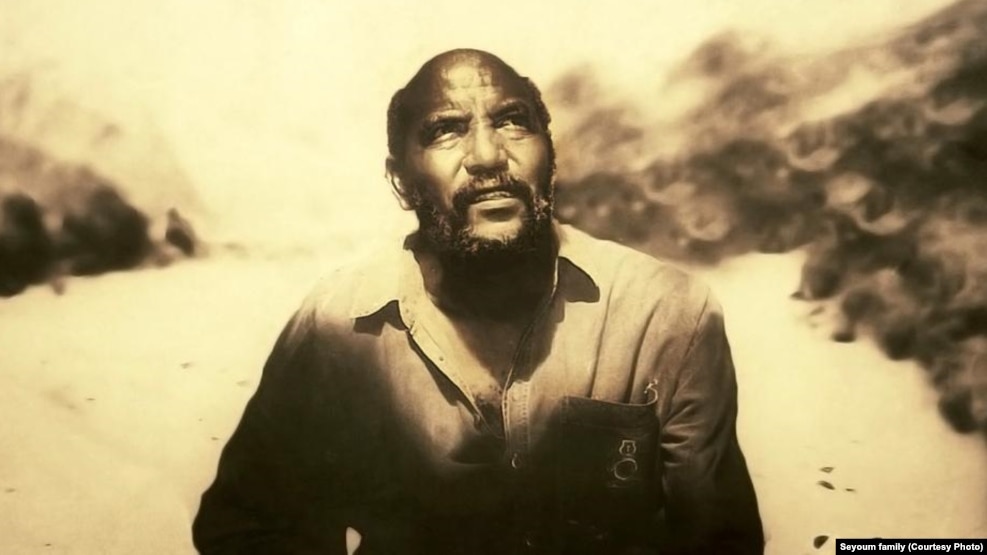
Eritrean journalist Seyoum Tsehaye has been missing for 15 years. He was taken away from his home in Asmara, Eritrea, Sept. 21, 2001, and hasn't been seen since.

Eritrean journalist Seyoum Tsehaye has been missing for 15 years. He was taken away from his home in Asmara, Eritrea, Sept. 21, 2001, and hasn't been seen since.

Eritrean journalist Seyoum Tsehaye has been missing for 15 years. Human Rights Watch would like to see that he is not forgotten.

As part of its Free Them campaign to highlight political prisoners around the globe, the rights group is focusing attention on Seyoum, the former head of Eritrean state television, who was taken from his Asmara home by government agents on September 21, 2001, and has not been seen or heard from since.


Seyoum was part of a group of Eritrean journalists rounded up in a crackdown on independent media. Using the hashtag #FreeThem, Human Rights Watch is encouraging people to share Seyoum's story, hold events and tweet to world leaders asking for his release.

Seyoum's advocates believe he is still alive, based on a comment that Eritrean Foreign Minister Osman Saleh made to Radio France Internationale in June.

"The political prisoners are all alive and in good hands," he said.

"Good hands" might be an inaccurate term. A former prison guard who escaped Eritrea in 2010 said Seyoum's hands were bound 24 hours a day. The guard also said that the journalist was being held at the maximum security prison north of Asmara.

The Eritrean government has never commented on Seyoum's arrest or disclosed his location or condition. His family and friends have not had access to him since he was taken away.

Niece seeks uncle's release

Seyoum's 19-year-old niece Vanessa Berhehas been campaigningfor her uncle's release for years. She started a website,onedayseyoum.com, to raise awareness of his plight.

She led a silent protest September 23 in London in which people wore black bandanas over their mouths and marched silently to the Eritrean embassy. Berhe said she hopes the attention will pressure Eritrean leaders to at least offer a trial for the jailed journalists and political dissidents.

"The main purpose was to stand in solidarity and in that action also to stand in protest. So our act of solidarity was also an act of protest," she told VOA. "What we're calling for and what we've been calling for since day one is to give these people a fair trial. I mean we think they should be released, but if there is any doubt of their innocence, give them due justice and a trial." 

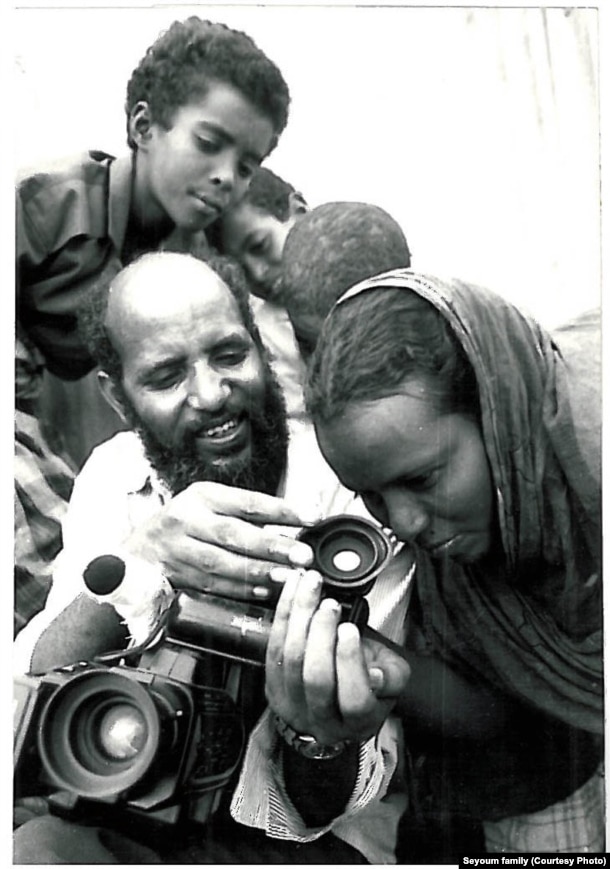
Seyoum, 66, was a famed war photographer during Eritrea's 30-year struggle for independence. He later held various positions including head of the state-run television station Eri-TV.

Between 1998 and 2000, during Eritrea's war with Ethiopia, Seyoum was critical of the government's secrecy and increasing restrictions on free speech and democracy. He apparently made enemies.

The state-run television continues to use his photographs during their broadcasts.

"If they use his materials on television fairly regularly, or frequently anyway, why don't they release him?" asks Andrew Stroehlein, European media director for Human Rights Watch.

Family still hopeful

Seyoum Tsehaye, 66, was a war photographer during Eritrea's 30-year struggle for independence. He later held various positions including head of the state-run television station Eri-TV.

Seyoum Tsehaye, 66, was a war photographer during Eritrea's 30-year struggle for independence. He later held various positions including head of the state-run television station Eri-TV.


Berhe said her family hasn't given up hope of seeing him again and believes the campaign will draw the attention of more people.

"He believed in the power of the word, the power of the people and the power of democracy, and I want to show him that what he believed in was strong enough to get him released," she said.

Seyoum's wife and two daughters now live in France. The older daughter, Abie, was two years old when the government arrested her father, and his wife was seven months’ pregnant with their youngest daughter, Beilula.

"The youngest one doesn't have any memories because she never met him. It's very tough for her," Berhe said. "The fact that she doesn't even have any memories and no connection with him whatsoever and that it is impossible to get it because he is imprisoned is something that she's been carrying with her for a very long time."


Human Rights Watch said it plans to continue the Free Them campaign, addressing a different case each week. Unfortunately, Stroehlein said, there is no danger that the rights group will run out of cases.

"We can literally do one political prisoner every hour, and we still wouldn't scratch the surface of a number of people that we're talking about around the world," Stroehlein said. "We're looking at a lot of regimes that are actually getting worse and worse, that are jailing civil society and activists, opposition figures more and more.”

"There's a huge number and so you know it's not fair to take one person over the others,” he added, “but if one person is a symbol for the others, it might be able to put a face on this kind of persecution."

Thursday, 29 September 2016 07:47

Harnnet Tigrinia Magazine Issue 51

Written by
Thursday, 29 September 2016 07:42

Harnnet Tigrinia Magazine Issue 51

Written by


Thousands of people flee the country illegally every month to skip military service, but getting out is too expensive for most

 
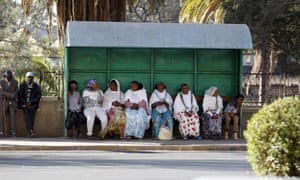
Passangers wait for a bus in Eritrea’s capital, Asmara.
People wait for a bus in Asmara, the capital of Eritrea. Life is hard for those who cannot afford a border crossing. Photograph: Thomas Mukoya/Reuters

Outside a cafe on the crossroads of a busy intersection in Asmara, three 25-year-olds sip macchiatos and catch up on the latest gossip in the bright morning sunshine. The conversation soon turns to people who have “skipped”, a term for those who have fledEritreato escape the indefinite national service programme.

Birhane, 25, who works as a mechanic in a government-owned garage, said: “Between us, we probably know about 300 people who have skipped in the last few years. They are leaving because we have to do what the government tells us to do.”

In 1991, when Birhane, Henok and Adonay were born, Eritrea had just gained independence fromEthiopiaafter 30 years of war. In the early years, many people were optimistic about their future and their leaders.

Today, theatmosphere in Asmarais markedly different. Isaias Afewerki, the former leader of the liberation struggle, is still in power 25 years later, and a resumption of hostilities with Ethiopia at the turn of the millennium inflicted huge human and economic damage on the country, exacerbating its slide into a military state.

In the capital, although bicycles and charming old European cars dot the roads and the ambitious Italian colonial-era architecture is well preserved, more than a dozen people said they were desperately gathering cash to pay forsigre dob(border crossing).

Gaim Kibreab, a professor of refugee studies at London South Bank University, says Eritrea is the world’s “fastest emptying nation”. About 400,000 people are estimated to have left the country in the past decade,from a population of just 5.1 million.

The UN and human rights activists estimate that as many as 5,000 Eritreansflee illegally every month, but the Eritrean government claims that the real number is closer to 1,000, because Ethiopians often pretend to be Eritrean when seeking asylum abroad.

Those left behind in Asmara say everyone is well aware of what is happening. “I know of thousands of people who have left,” said Demsas, 49, as he strolled down one of the main streets. “We can feel it.”

The government acknowledges that people areleaving in droves, but says it is part of an international conspiracy to weaken Eritrea. “The policy of the United States for the past 10 years has been to encourage the migration of Eritreans, especially Eritrean youth and especially Eritrean educated youth,” said Yemane Gebreab, the director of political affairs for the ruling People’s Front for Democracy and Justice (PFDJ) and a close advisor to Afwerki.

“If they can encourage migration and especially desertion from the Eritrean army, which has been a main objective of this policy, then they will have achieved their aim of weakening Eritrea,” he said.

Last year, the government put a limit on the amount of money that people could withdraw from their bank accounts.
Pinterest
Last year, the government put a limit on the amount of money that people could withdraw from their bank accounts. Photograph: AFP/Getty Images

For law-abiding Eritreans, it is hard to avoid the national service programme. Hundreds of soldiers are known to storm neighbourhoods in Asmara every few months. Known as agiffa(raid), troops block off traffic and set up a cordon before going house to house in search of people who have not enlisted.

Young Eritreanssay they feel trappedby these policies. If they are caught deserting, the government hands down brutal punishments. But if they stay, they are resigned to a life earning a monthly wage of 500 nakfa (£25). “All of us are still in national service. We don’t get enough [money] to live on,” Henok said.

The government has recently changed some elements of national service, a sign that the regime may be aware of the damage its policies are causing. Those drafted in 2001 or earlier are being allowed to leave active service, but they are still required to work for the government. The maximum salary offered after demobilisation is 4,000 nakfa, equivalent to $165 on the black market, according to Hagos Ghebrehiwet, the PFDJ director of economic affairs.

Last year, the government put a limit on the amount of money that people could withdraw from their bank accounts, saying it wanted to encourage citizens to use cheques and mobile money facilities. Hagos said: “Cash is the basis for illegal activities, like human trafficking.”

We would all leave tomorrow if we had the money

Adonay

However, very few businesses accept cheques or credit cards, and since the introduction of the rule, the black market dollarexchange rate has halved, leading to speculation that the policy is a covert way to limit the number of people fleeing.

“With this new currency, people don’t have access to their money,” Demsas said. According to human rights activist Meron Estefanos, wealthy Eritreans can pay high-ranking government officials between $5,000 and $6,000 to be smuggled out of the country and driven to Khartoum inSudan. The fee for a similar journey across the border with Ethiopia is $2,000 to $3,000, she said.

For most Eritreans, who do not have rich friends or relatives overseas, the journey to Europe is extremely expensive. Natnael Haile, who lives in Sweden, says he was drafted into the army aged 13. After spending seven years repairing army cars on a desolate military base, he crept out of his dormitory in 2008. Haile paid smugglers $400 to take him to Sudan, where he was kidnapped and sold to nomads in the Sinai desert.

Haile ended up paying a total of $7,100 to get on a boat heading for the Italian island of Lampedusa. But the account of his harrowing journey does not deter Adonay and his friends in Asmara. “We would all leave tomorrow if we had the money,” they say.

Source=https://www.theguardian.com/world/2016/sep/28/eritrea-military-service-life-people-left-behind


A version of this article first appearedin The Africa Report

21 SEPTEMBER 2016

The annual meeting of the SI Presidium in conjunction with the high-level segment of the United Nations General Assembly took place on 21 September in New York, the eighth such occasion since 2008. The agenda of the meeting focused on the role of the social democratic movement in promoting collective action to confront prevailing challenges to security, democracy and sustainability in different parts of the world and the outcome of the UNGA high-level debate on the crisis of refugees and migrants.

The major focus of exchanges was the recently concluded UN Summit for Refugees and Migrants, with Presidium members united in their recognition of the urgency of coordinated action in response to the global refugee crisis. Contributions underlined the need for a more equitable sharing of the responsibility for hosting and supporting refugees around the world. At present, the greatest burden of the refugee crisis is being felt by developing countries, which are host to the vast majority of international refugees. For this reason the acceleration of progress towards a global agreement on safe, orderly and regular migration was considered essential.

A number of participants stressed that the international community, and in particular the most developed economies, have a collective responsibility and a duty to the refugees of the world, whose lives and livelihoods are threatened by the lack of concrete advances in this regard. At the same time, there remains a vital need for concerted action to address the root causes of the global refugee crisis. In this regard, participants underlined the importance of the work of the SI towards conflict resolution and tackling climate change, which are major drivers of global population movements.

Addressing the first agenda item and the contribution that could be made by the social democratic movement in face of the current global challenges, participants called for a combined strategy for peace and security, sustainable development and human rights. There was a shared conviction that for the challenges of peace, sustainable development and democracy to be met, social democracy would be required, with the SI an indispensable forum for cooperation in pursuit of common goals and objectives. One year on from the SDG summit, a number of interventions highlighted the continued importance of the Global Goals in the realisation of a greener and more peaceful world with opportunities for all, and the vital importance of ensuring the equal participation of women and men in building a sustainable future for all.

Underdevelopment remains a significant factor to migration, and the contributions of President Alpha Condé of Guinea and President Hage Geingob of Namibia identified the continued need for development assistance in their countries and a more equitable sharing of resources on a global scale. They and others considered that socialists and social democrats were uniquely placed to address the gaps between rich and poor, and redress the problems of poverty and economic injustice.

In accordance with the mandate given by the last SI Council in Geneva in July 2016, the Presidium had the responsibility of agreeing a venue for the forthcoming XXV SI Congress. The Secretary General reported that in discussions he had held with the leadership of the SI member party in Colombia, they had expressed the willingness of their party to host the Congress. This would be in line with the established practice within the SI of rotating the regional location of its Council and Congress meetings in order to reflect the global scope of the organisation. He outlined the significance of bringing together the global social democratic family in Colombia, at a historic moment for the country, as a result of the agreement reached between the government and the FARC guerrillas to bring to an end over 50 years of armed conflict. The presence of the SI in Colombia would be a concrete expression of the support of the movement for the courageous decision to bring peace to the country and a continued commitment to the post-conflict process of disarmament and reconciliation.

The proposal to hold the Congress in the city of Cartagena de Indias was overwhelmingly endorsed by the Presidium, with the meeting to be scheduled for the first months of 2017 following consultation with the hosts. The symbolism of the Congress venue and its timing will be reflected by the inclusion of peace as one of the main themes of the Congress, with reference to the successful peace process in Colombia and the need for advances towards peace in other conflicts around the world. The Congress will also focus, as another main theme, on the issue of inequality in the world economy, whose current impact has been a subject of recent work by the SI. Policy proposals on this theme will be presented to the Congress in a report from the SI Commission on Inequality, which is working on concrete initiatives for the reduction of inequality within and between nations.

The Presidium was updated on the response of the FSLN to the concerns transmitted by the SI to the party in regard to the dismissal by the National Electoral Commission of sixteen opposition parliamentarians and twelve alternates in Nicaragua. The Presidium noted that this matter would be further examined and addressed by the relevant statutory organs of the SI.

The current situation in Guatemala was raised, highlighting that a recent decree issued by President Morales restricted fundamental freedoms and rights.

Members of the SI Presidium were joined by President Alpha Condé (Guinea) and President Hage Geingob (Namibia), and SI Honorary President Tarja Halonen, former president of Finland. Also present was António Guterres, former SI president and ex-UN High Commissioner for Refugees. The meeting was chaired by SI President George Papandreou alongside Secretary General Luis Ayala, with the participation of SI vice-presidents Sükhbaataryn Batbold (Mongolia), Victor Benoit (Haiti), Ousmane Tanor Dieng (Senegal), Elio Di Rupo (Belgium), Alfred Gusenbauer (Austria), Eero Heinäluoma (Finland), Pendukeni Iivula-Ithana (Namibia), Bernal Jimenez (Costa Rica), Chantal Kambiwa (Cameroon), Marian Lupu (Moldova), Rafael Michelini (Uruguay), Mario Nalpatian (Armenia) Umut Oran (Turkey), Julião Mateus Paulo (Angola), Sandra Torres (Guatemala) and Ouaffa Hajji (ex-officio vice-president, SIW). Representatives of the governments of Burkina Faso, Dominican Republic and Montenegro were also present.

Wednesday, 28 September 2016 10:33

On the trail of African migrant smugglers

Written by


Der Spiegel's English-language website hasa detailed investigative report7on the lucrative migrant-smuggling business in Africa. The report uncovers key smuggling routes from East Africa to Germany, and describes the brutal, inhuman conditions that migrants endure on their journey abroad. Here's an excerpt:

There are many migrant smugglers who brag openly about their excellent relations with the Libyan police and claim that they can even get anyone out of prison simply by buying off law enforcement officers. When asked about such claims, Hussam says that the phenomenon doubtlessly exists in Libya, but not within his unit.

"Ermias is an Ethiopian with Eritrean citizenship and dresses inconspicuously in jeans and a T-shirt," says Yonas, a former intermediary for Ghermay who stands almost two meters (6' 7") tall. Ever since Tarik al-Sika arrested him at his workplace -- in the cafeteria of the Eritrean Embassy in Tripoli -- several months ago, Yonas, whose name was changed for this story, has been cooperating with Libyan special forces. On the day of our visit, he was presented as an important witness. Yonas says that he used to earn 50 dinars, around 30 euros ($33), for every Eritrean refugee he referred to Ghermay -- and that some of them were aboard the vessel that sank off the coast of Lampedusa. On the night of the accident, Yonas says, "Ermias slid a passenger list under the door of the Eritrean Embassy so that their families could be informed" -- a cold-blooded move that Ghermay is proud of, according to the logs of intercepted phone calls. The relatives of the victims, most of whom came from Eritrea, were thus promptly "informed," he gloated. It's the kind of gesture that is good for business.

"Immediately afterwards, I called him and set up a meeting in the cafeteria. I wanted to get him to pay compensation to the families," Yonas says. "He actually turned up, but in the end, he only returned the price for the voyage. Nobody got any more than that."

The refugees have only themselves to blame for their deaths, Ghermay said in a telephone call to a migrant smuggler from Sudan, adding that they didn't follow his instructions and carelessly caused the boat to capsize. He insisted that he had a clear conscience. "If I followed the rules and they died anyway, then it's fate," Ghermay said.

The man from Sudan agreed: "There is no appeal against God's judgment."

Image: The remains of a refugee boat seen on the beach in Zuwara, Libya in August of 2016. ViaDer Spiegel.

Source=http://conversations.e-flux.com/t/on-the-trail-of-african-migrant-smugglers/4920/1


Tuesday, 27 September 2016 23:18

TO WHOM IT MAY CONCERN

Written by

Dear Madam/ Sir,

The human rights situation in Eritrea, in general, and the condition of the Eritrean political prisoners, in particular, has been worsening every time for the past several years until it has become a big concern at global level. As Professor Kjetil Tronvoll, a Norwegian human rights activist has aptly described it in his booklet on human rights in Eritrea (1991-2009), what prevails in that country since 1991 is a prison-like situation of a people in a siege. The endless and ever increasing exodus of people out of Eritrea is a concrete evidence for the truth of this expression. At this epoch, it is difficult to imagine for an entire nation to live for 25 long years under total deprivation and gross violation of the very basic human and political rights. Needless to say, Eritreans have been and are condemned by their own regime to live without any civil and political space one can think of: no national constitution, no national elections, no independent judiciary, no freedom of expression, no freedom of association, no freedom of religion, no freedom of mobility .. the list of no's is endless.

Only to stress, all the economic and political power is dominated by the small clique in the so-called People's Front for Democracy and Justice (PFDJ). The unjustifiable covers used to justify absolute control of economic and political life of the people include "nation-building, internal security, stability, national unity and the protection of state sovereignty."  In a word, the present and the future of the nation has been stolen - especially of its young generation, who had been hijacked by the illegitimate regime and forced to indefinite service (forced labour) nowadays being rightly equated with modern-day slavery.

The erroneous policies of the repressive regime in Asmara, including its meaningless 'self-reliance', have brought the disaster we are witnessing in Eritrea today. The only areas where the regime excelled are inhumane treatment of its own people, and building over 360 prisons where tens of thousands languished for years, and many died of bad treatment. Since the territorial 'liberation' of the country, persons  with different opinion, especially those thought to be influential to mobilize people such as senior cadres of its own and from the opposition camp, religious leaders, human rights activists, journalists, nationalistic singers, and a number of other recognized individual in the society have been kept in prisons for decades, or just disappeared.

Some reliable information from prison escapees and ex-members of prison staff discloses that many of the detainees lost their lives and others are paralyzed physically and mentally because of torture, inhumane living conditions, including inadequate food, water, health services.   

As the main objectives of the Amnesty International Norge are seeking the release of political prisoners to upholding the whole spectrum of human rights, bringing torturers to justice, change oppressive laws, and free people jailed just for voicing their opinion including ensuring humane treatment and conditions of detention for all detainees regardless of the reasons for their arrest and detention and to alleviate the suffering of their families, particularly by facilitating communication between detainees and their relatives, we the Eritrean community in Norway, therefore, wish to remind your esteemed organization to take the necessary measure to help change the situation of Eritrean prisoners and their distress of their families.

Dear Madam/ Sir,

Through this modest memorandum, we once more wish to request the Amnesty International Norge to redouble its efforts in playing a tangible role in:

Ø  Helping stop torture and other forms of ill-treatment up on all Eritrean prisoners;

Ø  Release of all prisoners of conscience without conditions;

Ø  Address the ongoing disappearance of Eritreans and their incommunicado imprisonment;

Ø  Improvement of conditions of detention as regards food, water and health services Including an end to prolonged solitary confinement;

Ø  Effective legal process so that people can challenge their detention and treatment.

Ø  Independent Monitoring bodies make regular visits to detention places.

Ø  Rapid and regular access to lawyers, doctors and relatives.

Ø 

Ø  Restoring the right of family visitations to Eritrean prisons;

Ø  To ensure respect for legal safeguards and

Ø  Facilitate the release of the detainees and their return to their society.

Finally, we believe that the Amnesty International Norge, in cooperation with fraternal organizations like the International Amnesty, concerned Norwegian and Eritrean authorities, the Norwegian Red Cross and ICRC and other non-governmental organizations, would bring  change in the life and condition of the Eritrean prisoners.

Respectfully yours,

1, Medhanie Habtezghi                  (Eritrean Peoples’ Democratic Party) -------------------

2, Dawit Araya Tesfu                       (Eritrean Peoples’ Democratic Party) ------------------

3, Mebrat Berhane                           (Eritrean Peoples’ Democratic Party)  ------------------

4, Nureldaim A Mohammed           (Eritrean Youth for Change)               --------------------

5, Michele Pagallino                       (Eritrean Youth for Change)               -------------------

6, Senait Teweld Ilfu                       (Eritrean Youth for Change)               --------------------

Oslo, 26 09 2016

ንሰልፊ ደሞክራኢ ህዝቢ ኤርትራ ጨንፈር ኖርወይን ንስምረት ኤርትራውያን መንእሰያት ንለውጢ ኣብ ኦስሎን ከባቢኣን ዝውክል ሓደ ናይ ሓባር ልኡኽ ኣብ ማእከላይ ቤት ጽሕፈት ኣምነስትይ ኢንተርናሽናል  ኖርወይ (Amnesty Internationa Norway) ብዕለት 26 መስከረም 2016 ምብጻሕ ፈጺሙ። እቲ ጉጅለ ልኡኽ ብኣቦ መንበር ቤት ጽሕፈት ጉዳያት ሰልፊ ደሞክራሲ ህዝቢ ኤርትራ  ብጻይ መድሃኔ ሃብተዝጊ ዝተመርሐ ኮይኑ፣  ብጻይ ኢሳያስ ሓጎስ ካብ ሰልፊ ደሞክራሲ ህዝቢ ኤርትራ፣ ከምኡውን ወከልቲ ኣባላት ማሕበር መንእሰያት ንለውጢ ኦስሎን ከባቢኣን ዝኾኑ ብጾት ሰናይት ተዎልደ፣ ሚካኤል ፓጋነሊን፣ ኑርኣዳይም ኣደም መሓመድን  ዝቆመ ሓምሽተ ዝኣባላቱ ነበረ። ኣቀዲም ኣቢሉ ብዕለት 23 መስከረም 2016 እውን ሓደ ካልእ ጉጅለ ናይዚ ማሕበራት ብተመሳሳሊ ዕላማ ምስ ኣሰናዳዊ ዕለታዊ ዜና ናይ ኡትሮፕስ ዝተባህለ ጉጅለ ጋዜጠኛታት ዝኾነ ኣቶ ኣረ ቮግት ሞኡም ( Are Vogt Moum)ተራኺቡ ከምዝነበረን ተመሳሳሊ ሓበረታ ከምዝሃበን ክፍለጥ ተኻኢሉ ኣሎ።

ወኪል ክልቲኡ ማሕበራት ዝኾነ ልኡኽ ኣብቲ ናይ ምብጻሕ ተልእኾኡ ኣብ  ጠረጴዛ ኣህጉራዊ ጉዳያት ንኩነታት ቀርኒ ኣፍሪቃ ምስ ዝከታተል በዓል መዚ ኣቶ ጀራልድ ካዶር ( GERALD KADOR FOLKVORD) ተራኺቡ፣ ምስቲ ብጽሑፍ ዘረከቦ መተሓሳስሰቢ ድማ እቲ ጉጅለ ልኡኽ ኣብ ኩነታት ሕልሉፍ ግህሰት ሰብኣዊ መሰላት ኣብ ኤርትራ ብሓፈሸ፣ ብፍላይ ድማ ኣብ ኩነታት ናይ ፖለቲካ እሱራትን ስድራቤታቶምን ኣተኲሩ ሰፊሕ መብሪሂ ሂቡ። እቲ ጉጅለ ኣብ መግለጺኡ ስርዓት ፕረሲደንት ኢሳያስ መሰል ደቂ ሰባት ዝሕመረቶም ዝተፈላለዩ ኣህጉራዊ ውዕላትን ስምምዓትን ንምትግባሮም ዝተቀበልን ዝፈረመኳ እንተኾነ፣ ንማሕበረ ሰብ ዓለም ኣደናጊሩ፣ ካብ ዝፈረመሉ ኣህጉራዊ ግቡኣቱ ሪሒቁ፣ ካብ 1991 ኣትሒዙ ክሳብ ሎሚ ብዘይ ዝኾነ ክስን ፍርድን ኣብ ዝተፈላለየ ኣብያተ ፍርዲ ዳጒኑ ዘጋፍዖምን ዘሳቅዮምን ዘለዉ ናይ ፖለቲካ እሱራት ማእለያ ከምዘይብሎም ገሊጹ። ኩሎም ናይ ፖለቲካ እሱራት ኣብ ኤርትራ ከምዝተኣሱሩ እንተዘይኮይኑ፣ ድሕሪ ምእሳሮም ኣብ ከመይ ኩነታት ከምዘለዉን ብምንታይ ምኽንያት ከምዘተኣስሩን ኣበየናይ ቦታን ኣብ ከመይ ኩነታት ከምዝርከቡን ክፍለጥ ከምዘይከኣል ድሕሪ ምሕባር፣ እዚ ኩነታትዚ ንኹሉ ማሕበረሰብ ዓለምን ህዝቢ ኤርትራን ዘሻቀለ ኮይኑ፣ ካብ ማንም ንላዕሊ ግን ንስድራቤታቶም ን10ታት ዓመታት ኣብ ከቢድ ሻቅሎት ከምዝነብሩ ዝገበረ ዘሕዝን ኩነታት እዩ ክብል እቲ ልኡኽ ኣምሪሩ ገሊጹ።

ስርዓት ኣስመራ ካብ 1991 ኣትሒዙ ንሊዕሊ 25 ዓመታት ብዘይ ቅዋምን ሕግን ዝመርሕ፣ ንግዝኣተ ሕጊ ዋጋ ዘይህብ፣ ዝኾነ ሃገራዊ ምርጫን ብዝሒ ሰልፍታትን ዘየፍቅድ፣ መትከላዊ ኣህጉራዊ መሰላት ሓሳባትካ ናይ ምግላጽ፣ ምንቅስቃስ፣ ምትእኽኻብ ወዘተ ዘየፍቅድ፣ ንኹሉ ኣፍራይን ኣድማዕን ሓይሊ ናይቲ ህዝቢ ኣብ ቲሕቲ ሃገራዊ ኣገልግሎት ዝብል ሽፋን ዘለዎ ሃገራዊ ባርነት ቆሪኑ ዝሓዘ፣ ኮታስ ንኹሉ ፖለቲካውን ቁጠባውን ሓይሊ ናይታ ሃገር ንበይኑ ገቢቱ ብምሓዝ ንህዝቢ ኣብ ትሕቲ ዕጹብ ኣርዑት ምልኪ ተምበርኪኹ ከምዝነብር እንዳ ፈለጠ፣ መንግስታት ኤውሮጳ ጥራሕ ዘይኮነስ ሕብረት ኤውሮጳውን ብቀንዱ ምስዚ መላኺ ስርዓትዚ ክደናገጽ ምፍታኑ፣ ዝሕዝንን ግርምቢጣዊ ኣካይዳን ከምዝኾነ እቲ ልኡኽ ወሲኹ ሓቢሩ።

ብምቅጻል እቲ ጉጅለ፣ ኣምነስትይ ኢንተርናሽናል ኖርወይ፣ ምስ ኩሎም ዝምልከቶም ኣህጉራውያንን ከባብያውያንን ኣካላት ተወሃሂዱ ብምስራሕ፣ ደሃይ ናይዞም ን10ተታት ዓመታት ሃለዋቶም ዝጠፍአ ናይ ፖለቲካ እሱራትን ስድራቤታቶምን ክገብርን፣ ንምፍትሖምን ብስድራቤታቶም ናይ ምብጻሕ ባይታ ንኽፍጠርን ጺዒቱ ክሰርሕ ተማሕጺኑ።

ኣቶ ጀራልድ ካዶር ብወገኑ፣ ምስቲ ኮሚሽሽን ምርማሪ ሰብኣዊ መሰላት ሓቡራት ሃገራት ኣብ ኤርትራን ዝሃገቶን፣ ዝተፈላለያ ሻራ ዘይብለን ኣህጉራውያን ዘይምንግስታውያን ትካላትን ዝወሃብ ሓበረታን፣ ምስቲ ካብ ቤት ጽሕፈት ኣምነስትይ ኢንተርናሽናል ኣብ ናይሮቢ ብቀጥታ ዝረኽቦ ጽጹይ ሓበረታን ወሲኹ፣ ኩነታት መሰል ደቂ ሰባት ብሓፈሻ ኩነታት ፖለቲካውያን እሱራት ድማ ብፍላይ ኣብ ኤርትራ ካብ ግዜ ናብ ግዜ ኣሻቃሊ እንዳኾነ መጺኡ ከምዘሎ ሓቢሩ። ሕብረት ኤውሮጳውን ኣብዚ ኣዋንዚ ካብ ዲክታቶርያዊ ባህርያት መንግስቲ ኤርትራን፣ ግህሰት ሰብኣዊ መሰላት ኣብ ኤርትራን ንላዕሊ፣ ብዝሒ ዋሕዚ ስደተኛታት ዝዓጠጦ ይመስል ክብል ስኽፍታኡን ቅረታኡን ገሊጹ። ንሱ ብተወሳኺ ብወገን ቤት ጽሕፈቱ፣ ዝኾነ ካብ ኤርትራን ዒራቅን ዝመጽእ ሓታቲ ዕቁባ ብግዲ ንዓዱ ክምለስ ከምዘይብሉ ደጋጊሙ ንመንግስቲ ኖርወይ ከተሓሳስብ ከምዝጸንሐ ሃቢሩ፣ ንኩነታት ሰብኣዊ መሰላት ኣብ ኤርትራ ድማ ወትሩ ከምዘከታተሎን ምስ ብጾቱ ኮይኑ ዝከኣሎ ክገብር ከምዝኾነን ተመባጺዑ።


ክፍሊ ዜናን ሓበረታን ሰልፊ ደሞክራሲ ህዝቢ ኤርትራ ጨንፈር ኖርወይን ማሕበር ኤርትራውያን መንእሰያት ንለውጢ ኦስሎን ከባቢኣን

APPG on Diaspora, Development and Migration (DDM), APPG on Refugees and the Migrants’ Rights Network (MRN)

Chair: Baroness Young of Hornsey Speakers: Dr Kibreab Gaim, Dr Lul Seyoum, Dr Jonathan Campbell, Michela Wrong and Dr Heaven Crawley

Monday, 12 September 2016 16.00-17.30, Committee Room 16 House of Commons

This panel discussion was organised to look at the uneven response to refugees arriving in Europe with a particular focus on those originating from Eritrea. 

This event was chaired by Baroness Young of Hornsey, co-chair of APPG DDM, who expressed her gratitude to the APPG on Refugees and the collaboration with the Migrants’ Rights Network to organise the event. Baroness Young highlighted the importance of gaining a sense of forward movement within this very complex, difficult and highly politicised subject.  She hoped that the event would be positive, in the sense that solutions and recommendations might develop from the discussion. Baroness Young explained that part of the reason for establishing the APPG DDM is to try and reframe the way we think about these issues. She expressed the way refugees are represented in the media and other spaces is problematic. This event would aim to explore why there is such an 'uneven' response to refugees arriving in Europe, with particular focus on those originating from Eritrea, and to also raise awareness about how diaspora communities can contribute to solutions.

Dr Kibreab Gaim - Research Professor at London South Bank University

Dr Gaim focussed on assessing why post-independence Eritrea is one of the major refugee producing countries in the world. He also set out to address how those who fled Eritrea had been received by the European Union, and why the concerning policy in the UK had suddenly changed.  

Dr Gaim explained that the major driver of forced migration from Eritrea is the indefinite National Service. The National Service, when first introduced, required all Eritrean citizens between the ages of 18 - 40 to serve for 18 months as a strategy to strengthen their country, which was initially popular among Eritreans. However, the service soon became open-ended and now lies at the heart of the cause of forced migration. Dr Gaim emphasised that once an individual joins, they are not allowed to leave and are not paid properly- thereby becoming a slave of the state. 

Currently in Eritrea, the State controls economic activity, there are no opposition parties and no opposition politics is tolerated. People who flee are considered traitors. Immigration is only possible once an exit visa has been obtained from the government which is very difficult to obtain and often denied.

The indefinite National Service has been equated with forced labour, and the UN equates forced labour to a modern form of slavery, which Dr Gaim emphasised as a motive for Eritreans who are fleeing. Dr Gaim also stated that up to 90% of Eritrean refugees are aged between18-24; further demonstrating the ational service as a driving force of migration. 

Dr Gaim went on to talk about the sudden change of UK policy, particularly after March 2015. He elaborated that the change in UK policy suggests that the situation in Eritrea had improved, implying violations of human rights might have ceased, when in fact there was no change in Eritrea - "the dismal state prevails". Dr Gaim stated that the changes in the UK's policy are a result of 'fact-finding' missions in Eritrea. He explained that in 2014, Danish authorities sent three civil servants on a 'fact-finding' mission to Eritrea as a response to a sudden, dramatic increase in the number of Eritreans arriving in Denmark. During Denmark's election year the leading party panicked as the right wing began to gain support in response to rising levels of migrants arriving. Dr Gaim suggests, the 'fact-finders' were actually going to Eritrea to find anything they could to support high-level rejection of asylum, this was later met with a lot of criticism which led to the Danish Government dropping the enquiry and discrediting the report. 

Surprisingly however, the UK government then adopted all of the recommendations of the Danish Immigration Service, basing its updated policy on their recycled ideas. Dr Gaim remarked that the UK government could have used reliable information from sources such as the UN Commission but instead chose to base their new policy exclusively on the Danish report. The UK currently has a new policy that is not substantially different from the one they had before.

In summary, Dr Gaim's presentation emphasised the indefinite National Service in Eritrea as the main force of migration. He stressed that the UK's 2014 policy was based on the discredited work of a Danish 'fact-finding' mission in Eritrea, which had aimed to find evidence that would justify denying Eritreans asylum in Europe.

Dr Lul Seyoum - spokesperson, influencer, fighter for women's rights and founder and director of International Centre of Eritrean Refugees and Asylum Seekers ICERAS 

Dr Seyoum began her presentation with a reflective moment to remember all those who have perished on their way to safety. She explained that in that short pause, 10 people across the world had fled their countries; one person flees their country every three seconds. She then went on to tell the story of the Lampedusa Ship Wreck of 2013, where over 350 people died, including 270 Eritreans. Dr Seyoum elaborated on how the uneven response to refugees is due to the crisis often being identified with numbers, with the lives lost becoming mere statistics. To counteract this, she told the personal story of Helen, a mother of 3 children who perished at sea while travelling to Sweden to find freedom, security and a better future. 

Dr Seyoum went on to explain the work of ICERAS, the International Centre of Eritrean Refugees and Asylum Seekers. She stressed that it is important to understand that not all refugees come to the UK; in the West the largest number go to Germany and then the USA, with 86% of refugees migrating to developing countries. 

Dr Seyoum finished by emphasising the need for a broader and brighter picture. We must remember that many children perished before and after the tragic death of Alan Kurdi, a child whose body was photographed being carried from the sea by his distressed father - images which captured public sympathies and increased public empathy towards Syrian refugees. 60 million displaced people worldwide should prompt us to ask ourselves what our role is. If we are to avoid such loses then there should be full engagement from all of us. She ended her presentation with a quote by Martin Luther King: "Our lives begin to end when we are silent about things that matter".  

Dr Jonathan Campbell - Researcher at School of Oriental and African Studies (SOAS)

Dr Campbell's research has recently focused on the British Asylum System although today he aimed to provide a very clear trajectory of Home Office Policy, beginning from 2013. Dr Campbell explained that the Home Office's concern with Eritrea dates back to 2013, at the time when large numbers of 'migrants' were crossing the Mediterranean, many trying to move North into central Europe, to Calais and then the UK. Around this time was also the emergence of the British Government's Policy, nicknamed by the UK's European colleagues as an "à la carte" approach, in which the UK would pick and chose which groups of migrants or policies to support and which to neglect. This led to a situation whereby the UK in effect withdrew from dealing with the migrant crisis in Europe. Dr Jonathon stated that this withdrawal of the UK then contributed to the broader 'crisis' in Europe. 

A significant number of Syrian refugees are largely recognised by the UNHCR as refugees due to the Middle Eastern conflict, ultimately because most countries in Europe were engaged with that conflict in some way. As the 'migrant crisis' developed, it became clearer however that among the Syrians were a large number of Eritrean nationals, all of whom had been able to secure some sort of status or protection. This situation then raised concern across Europe - starting in Denmark, progressing to Norway and then the UK. 

Dr Campbell went on to explain the process of the Danish 'fact-finding' mission, as Dr Gaim had outlined earlier in the discussion. He pointed out how in Eritrea there was no high-level political violence visible - as was the case with Syria. In 2014, the Danish government sent researchers to Eritrea to discover what was driving the migration. As Dr Gaim had outlined previously, Dr Campbell stressed that the research of these missions was not academic in any way. The researchers had consulted with officials which is problematic as they themselves are complicit in the human rights violations which Eritreans are fleeing.

Dr Campbell explained that once the reports were published, the purpose of these missions became very clear; to prevent Eritreans from entering Europe. The missions would usually take the form of very short visits, mainly only to the capital of Eritrea, Asmara, and would usually only involve speaking to government officials. The investigators do not move around the country and crucially have no access to sites such as detention centres and prisons. These factors combined mean that the principal source of information for the tours is the information provided by high level Eritrean officials. So, with the exception of the latest policy (which is still largely dependent on this kind of research), all the 'fact-finding' missions are dependent on anonymous Eritrean officials, and thus cannot be verified. Nonetheless, the Danish, Norwegian and UK reports are all based on such anonymised reports, and all conclude that it is safe (for Eritreans) to go home. Dr Campbell argues that the Home Office officials are seemingly seeking to do anything to prevent refugees from entering Europe.

Following on from the conclusion that it is safe for Eritreans to return home, the UK government argues that all Eritreans need to do is 'regularise' the situation with the Eritrean Government. The Home Office states that individuals returning to Eritrea simply have to pay a 2% income tax on their income earned overseas, and sign a 'letter of apology' at an Eritrean embassy. Dr Campbell outlined that the individuals returning to Eritrea even have to pay the 2% tax on any benefits or asylum seekers allowance and show all receipts at an embassy (i.e. even if the individual did not earn wages). The UK Home Office argue that if Eritreans 'regularise' themselves with officials in Asmara, no reprisals will be taken against them. The Eritrean government maintains that it is improving the National Service by increasing the pay and reducing the contracted duration of service. 

The UK Home Office say that the Eritrean Government is not acting in a way that contradicts the Universal Declaration on Human Rights in terms of how nationals are treated upon their return to the country. However, Dr Campbell argues that after three years of these promises, there is no evidence of this. A large problem is there is no independent monitor of human rights in Eritrea, meaning that there is no independent organisation to provide information on what is actually happening, no independent access to the detention centres or prisons, and there have certainly been no changes in Eritrean policy.  

He explains that over the last 2 years, the UK Home Office has in effect sought to create its own objective evidence and has published in excess of 600 pages of evidence in the policy since early 2014. 

Dr Campbell concluded by emphasising that things are not alright. The Home Office is deliberately creating an illusion, in an attempt to create objective evidence for immigration officials to use as a basis for rejecting asylum. The situation in Eritrea has been made very clear; we are refusing to allow people their freedom of movement across the planet. Eritreans are thus being rejected refugee status and often being forced to live destitute in the streets. 

Michela Wrong - Journalist and Author who has spent almost two decades reporting on Africa

Michela began by paying respect to the work that has been done by all the other speakers to help refugees across the world. She went on to say that her line of work and expertise can offer something different to the discourse. Michela finds that we talk a lot about the refugee crisis, often in a way that the public are so concerned with the crisis and what's happening with the individuals, that we strip the account of a political, geo-strategic and historical context - and this is what she can bring. 

Michela explained that the Eritrean government is not as popular as it once was - when she first visited Eritrea in the 1990s - but that it certainly enjoys some popularity, and every government needs a narrative with which it presents its case, to its public and to the West. Many people remark on the hostility of the Eritrean government towards the West, without considering that there might be a reason for that, which is what she wanted to remind

us of. She added that if we don't attempt to see things from that other perspective then we are likely to find a puzzling hole at the heart of the situation.

Michela shared her understanding that Eritrean refugees are young and often fleeing military service, but that nobody has explored how the government actually justifies enforcing the military service. Her work in Eritrea began in 1996, when the government that had been in power for three years and had huge support from the population after winning independence. Contrasting that to today, the country has an enormous, totally 'disproportionate' army with open-ended military service - and there is some historical reason for that.

She went on to talk about the 1998-2000 'new war' that broke out between Ethiopia and Eritrea over a border dispute, highlighting that up until then the two countries and their rebel movements got on quite well. Going back to war with one another was a huge shock to the communities, and over 100,000 people died (on both sides). Following that, an international agreement allocated some parts of the disputed territory to Ethiopia, and other parts to Eritrea. This was incredibly important - politically and emotionally. 

Ethiopia has never since moved its troops out of the area, which Michela suggested may be because they would have found that move too humiliating. Essentially there has now been a 16 year stand-off between the countries, involving many tense moments - the worst of which was in June 2016 when several hundred people on both sides were killed. Michela feels that the Eritrean population are extremely worried about the situation and the prospect of having another major war. 

The Eritrean government argues that they are being occupied by Ethiopia and so in order to keep Ethiopia from increasing their hold on Eritrean territory, anyone who can take up arms must come to the defence of the nation. Michela suggested that the Eritrean government would argue that elements of society such as democracy, human rights and the free press are luxuries that cannot be afforded. She elaborated that within this narrative of the Eritrean government's perspective, the West is generally viewed as being hostile and uncomprehending, as well as being in the wrong as it has done nothing to put pressure on Ethiopia to observe the international border ruling. 

So, the question then becomes whether or not this reasoning is enough to justify the onerous, endless military service. Michela highlighted that analysts argue that this is not a way to win a war; if Eritrea are invaded by Ethiopia- their large, demoralised, young and unhappy army, would not be very effective at defending their country.  Smaller, well-paid, voluntary armies are much more effective at winning wars.

Michela finished by introducing the idea that every government in Africa - Eritrea included - is fearful of the Arab Spring, and perhaps part of the reason for the regime in Asmara is crowd control. By enforcing a patriarchal duty in the population and require them to defend their country, they are prevented from becoming a threat to the regime.

Dr Heaven Crawley - Professor of International Migration at Coventry University 

Dr Crawley began by stating that she hoped to shed light on the politics of the narrative in relation to the current 'crisis', because the crisis as experienced here in the UK is very different to the narrative experienced elsewhere. She focused on the way that certain assumptions underpin policy.

Dr Crawley argued that all across Europe throughout the 'migrant crisis', assumptions haven't shifted over time - they have just become more entrenched. The sort of assumptions that were underpinning policy at the beginning of the 1990s still exist. One assumption about the dynamics of migration is to do with the linearity of movement - the idea that people just move from A to B, for example from Asmara to London. 

There is a fundamental disconnect, which is not new, between how European policy makers (including in the UK) understand and conceptualise forced migration, and how they then understand the process by which people come to be in this situation. 

Dr Crawley suggested that even though we have this knowledge and understanding about what's going on in these areas (such as Eritrea and Syria), there remains an underpinning scepticism about why people have truly left their countries. Dr Crawley argued that underpinning every conversation about forced migration is the assumption that

people are moving by choice. Even in conversations about Syria, which have in some ways received a preferential treatment in the media, and despite knowing what we know about what has happened in Homs, there remains the assumption that the refugees could have done something else - they did not have to make this journey.

Dr Crawley then spoke about her research, which involved interviewing 500 people who had landed in Greece or Italy over the course of five months. They had aimed to gain more of an understanding of the back-story of the crisis, and a perspective that is not so centred on the Mediterranean. Dr Crawley emphasised that the Western and UK media covering the crisis is often fixated with the border into Europe, and so loses the historical and global context of the situation.

During the interviews the researchers spoke to 30 Eritreans and it was indeed very clear that the primary driver for migration is the forced indefinite military service, with two thirds of interviewees speaking specifically of this. Another key factor is that it is not at all easy to leave Eritrea as an exit visa must be obtained to do so and it is very difficult to be granted one. As a result of this, smugglers are used to get people out of Eritrea. An assumption is often that smugglers are only used to get people in to countries, but in Dr Crawley's research it became clear that most people had been involved with smugglers in order to get out of countries (as is the case for Eritrea and Syria). It was also evident that the majority of refugees had experienced violence and witnessed death during their departure and journey. Dr Crawley found that people's journeys commonly take years as people get held up in places like Sudan and Libya. Usually in this scenario people try to make a life for themselves but often don't succeed. People need livelihoods, and when they can't find that (such as in Libya), they think that Europe might offer them something different.

This led on to Dr Crawley explaining that the idea of 'the pull of Europe' is undermined by all of her research. There is an assumption for example that if a country starts granting asylum to lots of Eritreans, then that will cause many more Eritreans to come. She argued that actually people don't necessarily find out that information. In her research, the most important factor influencing where people migrate to is family. If displaced people have family members or friends who can support and help them to re-establish their lives, then that makes the difference. This is why when refugees are occasionally offered relocation places such as Poland they often say no - as they do not have any family or friends there to help them rebuild their lives.

Final Remarks

 Dr Gaim: Ethiopia has defied the will of the international community; the EEBC (Eritrea-Ethiopia Boundary Commission) ruling was supposed to be final and was supported by the EU, UN and US government. The question that Eritreans need to ask is whether or not keeping them in arms is likely to improve the defence capability of the country or not. The Eritrean government is eroding the defence and security of the country

 We should campaign against the occupation of Eritrea, and remind ourselves that the international community is not a charitable community, it is a self interest community

 Dr Campbell: no Eritrean has ever gained asylum in Israel, Israel would view them as 'traitors'. Israel is currently using the UK Home Office policy to refuse Eritreans, we must recognise the impact of regional and global politics

 Dr Crawley: we must challenge the assumptions that underpin policy and reflect on the dichotomy that exists between 'refugee' and 'economic migrant' status   Need to recognise the complexity of the problem, we like to contain the problem as far away from us but this is not going away

 Dr Seyoum: it is time to view refugees as people who are our tomorrow - they will make a positive difference to our ageing populations in