An aerial view of part of the Red Sea coast, with hotels and resorts in Sharm el-Sheikh, is seen through the window of an airplane, Egypt, December 7, 2015. REUTERS/Amr Abdallah Dalsh - GF10000257526
Order from Chaos

 Zach Vertin Tuesday, March 12, 2019

The Red Sea has fast become an arena of geopolitical intrigue, as new engagement between Gulf and African states is challenging old assumptions and erasing old boundaries. Expanding economic and strategic interests are driving unprecedented activity on both shores, while great powers pay increasing attention to the maritime gem in the middle, the Bab al Mandab—a strategic chokepoint and gateway to one of the world’s most heavily-trafficked trade waterways.

Author
Zach Vertin

Visiting Fellow - Brookings Doha Center

Nonresident Fellow - Foreign Policy

Here, at the nexus of the Red Sea and the Gulf of Aden, a series of state actors—with different cultures, different models of government, and different styles of diplomacy—are feeling each other out. Opportunities and risks abound, and as in any emerging frontier, the rules of the game are yet to be written.

Establishing a “Red Sea forum,” where concerned states might come together to discuss shared interests, identify emergent threats, and fashion common solutions, is a sensible next step. Efforts are underway to shape such a collective, and as leaders from these rapidly integrating regions sketch further blueprints, four design elements are worthy of consideration.

The Context

But first, some context. The United Arab Emirates (UAE), Saudi Arabia, Qatar, and Turkey have each deepened relations with states in the Horn in recent years, hoping to win friends, investments, and influence. (Reviews to date are mixed; some African states have reaped benefits while others have been destabilized.) The most tangible manifestation of this engagement has been a real-estate boom on the African coast, where new military bases and seaports have accompanied diplomatic and commercial investments in Somalia, Djibouti, Eritrea, and Sudan.

Ethiopia, the largest country in the Horn, also figures prominently in the new calculus, as does sometimes-rival Egypt, home to the Red Sea’s longest mainland coastline. Since mid-2017, these new forays into the Horn have also been colored by the Gulf crisis, a toxic feud that has infected politics in several African states as rival camps vie for access. Yemen rounds out the dizzying chessboard, where the onset of war deepened interest in strategic access to nearby African shores as well as control of the Red Sea’s southern gate.

Hundreds of billions of dollars in annual trade flows through this 20-mile wide waterway each year en route to Europe, Asia, and the Gulf. The narrow strait is also critical for freedom of navigation throughout the Mediterranean and Western Indian Ocean, thus making it the subject of interest in Washington, Brussels, and most recently, Beijing. The recent arrival of the Chinese navy in Djibouti—the tiny port nation already host to the U.S. and four other foreign militaries—means the Red Sea and Gulf of Aden are now also a theater for great power rivalry. (Russia, India, Saudi Arabia, and Japan have all signaled interest in establishing a military footprint here, too.)

The Idea

As I argued recently in Foreign Affairs, the idea of a Red Sea forum, as advanced by some forward-thinking diplomats in the region and in the West, is a good one. Such a collective could confront issues as diverse as trade and infrastructure development, maritime security, mixed migration, environmental protection, and conflict management. For example, tens of thousands of irregular migrants leave the Horn of Africa each year en route to the Gulf, often by way of Yemen. Meanwhile, huge numbers of Yemeni refugees, displaced by war, flee in the opposite direction—ending up not only elsewhere on the Arabian Peninsula, but across the Horn of Africa. States on both shores would benefit from a common conversation about this increasingly complex landscape, especially in the event of a post-war transition in Yemen.

One issue must ripen before this aspirational forum can become a reality, however, and another before its value can be fully realized. First, Gulf Arab states should resolve (or otherwise de-escalate) the ongoing Gulf crisis, which has polarized the Red Sea region and will complicate the participation not only of its feuding protagonists but also of their African allies. Second, states in the Horn should coordinate efforts toward re-balancing what are, at present, deeply asymmetric relationships with small, wealthy Arab monarchies. This will not happen overnight, of course, but the sweeping political and economic changes currently underway in Ethiopia and across the Horn provide a starting point. To be clear, the transformational potential of these transitions is matched only by their potential to destabilize, but success advancing domestic reforms, coupled with progress toward regional integration, could allow these African states to come to a Red Sea forum on a more equal footing.

Early attempts to convene Red Sea states have encountered obstacles, but these efforts will, and should, continue.

Mostly recently, Saudi Arabia attempted to take the lead, inviting foreign ministers to Riyadh under the banner of “Arab and African Coastal States of the Red Sea and the Gulf of Aden”. But the meeting’s lackluster result reflected not only insufficient diplomatic advance work, but differing views over composition and objectives. Ethiopia was not invited, for example, reportedly at the request of Egypt. Cairo’s attempts to exclude Addis Ababa are not really about Ethiopia’s littoral deficit, but about competition over regional influence and the hotly contested waters of the Nile.

African institutions have also initiated efforts toward a Red Sea collective; the African Union issued a mandate to build consensus around a Forum, while IGAD— Intergovernmental Authority on Development, an East African bloc—recently issued a communiqué committing its members to “formulate shared norms” and develop “common goals” on the Red Sea agenda. But such collaboration has yet to materialize. Eritrea, a key player, has so far resisted, a familiar posture given its president’s aversion to multilateral fora that might cede any authority (it was also a no-show at the Saudi ministerial).

European partners have also signaled interest in supporting a forum, given considerable investments in the region and a desire for secure shipping lanes and stable migration flows. New U.N. Security Council member Germany, together with EU officials, first invited Red Sea states to a gathering on the margins of the U.N. General Assembly in September 2018. But it also failed to launch, felled not only by disagreements over whom should be at the table, but whether the West should be involved at all.

Such fits and starts are to be expected as a diverse group of states attempt to forge a new diplomatic framework, especially as the boundaries of this new arena are still being defined. Champions of a Red Sea forum are right to continue the legwork in the meantime, narrowing gaps and laying a foundation for when the moment is right. Lessons may also be drawn by examining other such fora—curiosity has been expressed, for example, about both ASEAN (the Association of Southeast Asian Nations) and the Baltic Sea Forum. As efforts mature and blueprints are revised, Red Sea states and interested partners should consider the following four elements.

The Design Elements

1Ethiopia must be party to any forum. The fact that the country of 100 million doesn’t technically have any Red Sea coastline isn’t grounds to exclude one of the region’s most important players—a country of keen interest to Gulf actors and a lynchpin of politics, economics, and infrastructure development across the Horn. Other “neighborhood” states with important interests and relationships in the Red Sea and Gulf of Aden should likewise be involved in some fashion, including the UAE, Qatar, and Oman.

2This critically important mechanism should not be misappropriated for use as a military bloc against Iran. (Some believed this was among Riyadh’s motivations in January.) Regional security can and should be an anchor of Red Sea dialogue, but it must not dominate the agenda, distract from a broader menu of shared interests, or risk further polarizing the region.

3Red Sea states should build into the forum a mechanism for coordination with third-tier partners outside the region—including the United States, Europe, and China. Whether the billions in seaborne trade, the ongoing war in Yemen, the development budgets flowing to the region, or the premium on free navigation in this corridor, each of these outside actors have interests in—and are already present on—the Red Sea. A forum cannot, and should not, include everyone, lest it succumb to the lowest-common denominator generalities that have sunk many a multilateral talk-shop. But neither should its core members deny that outside actors have vested interests—or turn away the partnerships and capital investments that would likely accompany new cooperation.

4The mechanism can and should aim to be flexible—more “venue” than “organization.” Every country need not convene on every issue; some matters may be dealt with more efficiently by a subset of states, others will benefit from broad participation of members and partners.

The architects and masons of a Red Sea forum have more work to do, and these design elements may help. More obstacles may be to come, but stability and prosperity in an increasingly complex neighborhood depends on their project.

Source=https://www.brookings.edu/blog/order-from-chaos/2019/03/12/red-sea-blueprints/

 እዛ 16 ዓመት ዝዕድሜኣ ሽወደናዊት ግረታ ቱንበርግ ዝተባህለት  ህብብቲ ንምክልኻል ብከላ  ኣየር ዓለምና ንምድሓን ፡ ኣብ ቤት ትምህርታ  ሰላማዊ ሰልፍን ኣኼባታትን ብምክያድ ክትንቃሳቀስ ዝጀመረትን ብዕለት 23  መስከረ 2019 ኣብ ኒዩ ዮርክ መደበር  ሕቡራት ሃገራት  ኣኼባ ተረኺባ ብተሪር  ጭደራን  እንጽርጽሮትን ብኽያትን ንመራሕቲ ዓለም ነቂፋ። ምስኣ እውን ሓያሎ መንእሰያት ካብ ኩሉ ዓለም ዝመጹ ንመደረኣ  ዘትርርን  ንገንዘብ ክትብሉ  ክፍሊ ዓለምና ትጠልምዋ ኣሎኹም  ብምባል  በብተራ  ንመራሕቲ ዓለም ነቂፎም ፡ ኣስዒቡ እውን ናይ ሕቡራት ሃገራት ዋና ጽሓፊ  ኣቶ  ኣንቶንዮ ጉተረዝ  ብወገኑ ዓለምና ትበኪ ኣላ ክብል ንመደረ እቶም ቆልዑ ደጊፉ። ብድሕሪ ናይ ግረታ መሳጢ መደረ  ማለት፡  ብባዶ ቃላትኩም ንእስነተይን ሕልመይን  ሰሪቅኩሙኒ ምስ በለት ልዕሊ 66 ሃገራት ንድሕነት ብከላ ኣየር ዓለም ክሰርሓ  ፈሪመ ከም  ዘሎዋ  ማዕከና ዜና ዓለም ኣቃሊሔን። ብተወሳኺ  እውን ብዕለት 23 መስከረም ኣብ ማልታ ዝተገብረ ርክብ ሚኒስተራት ዉሽጣዊ ጉዳያት ሃገራት ኤውሮጳ ፡  ደጊም ድሕሪ ሎሚ ኢጣልያን ማልታን ንበይነን ኣይኮናን ብስደተኛታት ዘዕለቅልቃ 6ተ ሃገራት ኤውሮጳ  ክተሓባበራ ተሳማሚዔ ከም ዘሎዋ ተገሊጹ።

ብዛዕባ ዲሞክራሲ ክለዓል እንከሎ እተን ቀዳማይ ደረጃ ዝሕዛ ፖለቲካዊ ሰልፍታት እየን። ምኽንያቱ ብዘይህላዌ ፖለቲካዊ ሰልፍታት፥ ዲሞክራሲ ንኽዕምብብን ኣብ ተግባር ክውዕልን ውሕስነት ስለ ዘየለ። ስለዚ ዲሞክራሲ ህይወት ክህልዎ ናይ ግድን ኢዩ ፖለቲካዊ ሰልፍታት ክህልዋ። ንህላዌ ፖለቲካዊ ሰልፍታት ዝጻረር ከኣ  መላኺ ወይ ዓብላሊ እዩ።

ብመጀመርያ “ክንደይ ዓይነት ሰልፋዊ ስርዓታት ኣሎ?” ዝብል ሕቶ ምምላስ ነቲ ዛዕባ ዓቢ ግደ ይህቦ እዩ። ከምቲ ጉግል ዝብሎ “ሰልፋዊ ስርዓታት ኣብ ሰለስተ ይኸፈል። ቀዳማይ ዓባላሊ እንኮ ሰልፋዊ ስርዓት፥ ካልኣይ ክልተ ሰልፋዊ ስርዓት፥ እቲ ሳልሳይ ድማ ስርዓተ ኣብዝሓ ሰልፍታት እዩ።” እቲ ዳሕረዋይ ሰልፋዊ ስርዓት፡ ሰልፊ ዲሞክራሲ ህዝቢ ኤርትራ ዝኣምነሉ ኣገባብ እዩ። እቲ  እንኮ ሰልፋዊ ስርዓት እቲ ንዲክታቶርነት ወይ ምልኪ  ዝምስርት እዩ።  ከምዚ ኣብ ዝዓይነቱ ስርዓት ውድድር ዝበሃል የለን። ወረ ኣብ ገለገለስ ከምዚ ስርዓት እሰያስ ዝኣመሰለ ምርጫ ክካየድ ይትረፍ ህላዌ ሰልፍታት ዝጻረር ጭው ዝበለ ምልኪ እውን ኣሎ። እዚ ስርዓተ እንኮ ሰልፊ ብሕታዊ ዓብላሊ ስርዓት እዩ። ነዚ ንምዕዋተ ከኣ ኣብዝሐ ሰልፍታት ኣይደልዩን እዮም።

እቲ ክልተኣዊ ሰልፋዊ ስርዓት ብፈደረሽን ይመሓደር እምበር ናቱ ኣበር ክህልዎ ይኽእል። እዚ ማለት ኣብ መንጎ ክልተ ስልፍታት ጥራይ እዩ ናይ ስልጣን  ቅብብል ዝካየድ። ኣብዚ ብመጠኑ ኣብ መንጎ ክልተ ሰልፍታት ውድድር ምህላው እወንታዊ እኳ እንተኾነ፥ እተን ናኣሽቱ ሰልፍታት ኣብቲ ናይ ባይቶ መንበር ስለዘይረኽባ ጥራይ ዘይኮነስ፡ኣብ ውድድር ክኣትዋ ዕድል ስለ ዘይረኽባ ዳርጋ ዘይህልዋት እየን። በዚ ዝኣክል እተን ናእሽቱ ሰልፍታት በተን ዓበይቲ ሰልፍታት ስለ ዝዕብለላ እቲ  ናይ ስልጣን ቅብብል ናይ ክልተ ሰልፍታት ምልኪ (ዋንነት) ይኸውን።

እቲ ብናይ ኣብዝሓ ሰልፍታት  ዝቕውም መንግስቲ ካብ ሰለስተ ወይ ካብ ሰለስተ ሰልፍታት ንላዕሊ ዝዋሰኣሉ እዩ። ኣብዚ እቲ ዝካየድ  ምርጫ፥ እቲ ህዝቢ ካብተን ዘለዋ ሰልፍታት ቁጽረን ይብዛሕ ይውሓድ ብዘየገድስ ንኽመርጽ ምርጫታት ኣለዎ። ካልኣይ እቲ ውድድር ኣብ መንጎ ዝተፈላለያ ፖለቲካዊ ሰልፍታት ስለዝካየድ ምልኪ ናይ ምስራጽ ዕድሉ ጸቢብ እዩ። ኣብዚ  ሰልፍታት ነቲ መንግስቲ ብተናጸል ወይ እውን ብልፍንቲ ክቆጻጸር ይኽእላ። ሓደ ሰልፊ ንበይኑ ነቲ ዝድለ ብዝሐ ድምጺ  ናይ ሓጋጊ ኣካል ከምጽእ ኣብ ዘይክእለሉ ናይ ግድን እዩ ምስ ካልኦት ሰልፍታት ነቲ ድምጺ ክምልእ ክብል ከመሓዞ ወይ ልፍንቲ ክገብር። በዚ ዝኣክል እቲ ዝምስረት መንግስቲ ልፍንታዊ ስለዝኾነ ናይ ምትሕልላው መንፈስ ኣሎ።

እዚ ኣቐዲሙ ዝተገልጸ ዓይነት ሰልፋዊ ስርዓታት እቲ ናይ እንኮ ሰልፊ ምርጫ ከካይድ ወይ ዘይከካይድ ይኽእል። ምርጫ እንተካየደ ከኣ ነቲ ስልጣን ዝብሕቶ ንሱ ንበይኑ እዩ። ሰልፊ ዲሞክራሲ ህዝቢ ኤርትራ ምስቲ መርገጻቱ ዝኸይድ ነቲ ኣብዝሓ ሰልፍታት ዝተመስረተ ስርዓት ንምትካል እዩ ቀንዲ ዕላምኡ። ስለምንታይ ከምኡ ኣገባብ ይመርጽ ዝብል ሕቶ ክለዓል ናይ ግድን እዩ። እምበኣር ነዚ ዝመረጸሉ ቀንዲ ምኽንያት፥ እቲ ኣብ ኤርትራ ዝቐውም መንግስቲ ካብ ዕብለላን ጭቆናን ኣሃዳዊ ስርዓትን ነጻ ዝኾነ መንግስቲ  ንምትካልን፡ ተሳትፎ ህዝቢ ከዓዝዝን፥ ብኡ መጠን ድማ እቲ ህዝቢ ነቲ መንግስቲ ናይ ምቁጽጻር ዕድል ይረክብ። እዚ ድማ በቲ “ዘይምእኩል ኣገባብ ምሕደራ” ዝብል ነቲ ኣሃዳዊ ስርዓት ዝገትእ  ስልጣን ኣብ ላዕሊ ተኾሚሩ ገባርን ሓዳግን ዝኸውን፡ ናብ ወረዳታትን ኣውራጃታትን ይመቓራሕ ይብል። ስለዚ ካብዚ ነቒሉ እዚ ሰልፊ እዚ ነዚ ዝስዕብ ገለ ካብቲ  ፖለቲካውን ማሕበራውን መሰረታዊ መሰላት ዝኣምነሉ  ኣብ ግብሪ ንኸውዕል ዝቃለሰሉ ንምጥቃስ፥

1- ክሉ ኤርትራዊ ዜጋ ብማዕረ  ምሕብሓብ፡

2-ብሃይማኖት ይኹን ብፖለቲካዊ ኣተሓሳስባ፥ ብዘርኢ (ዓሌት) ጾታ ወይ ዝኾነ ይኹን  ኣድልዎ ዘየፍቅድ፡

3-ንስኡናትን ንኣረጋውያንን ምጥዋርን ምሕጋዝን

4--ናይ ምውዳብን ምእካብን ናጽነት ምኽባር

5-ናይ ሓሳብካ ምግላጽ ነጻነት

6-ናይ ውልቀ-መሰል ምኽባርን ምክልኻልን

7- ናጽነት ሃይማኖት

8-ማንም ኤርትራዊ ዜጋ ክምረጽን ክመርጽን ምኽኣል ወዘተ።

ኩልና ከም እንፈልጦ ሓደ ነገር ብሓንቲ ለይቲ ከምዘይህነጽ ርዱእ እዩ። ዲሞክራሲ ድማ ከምኡ ብሓንቲ ለይቲ ክህነጽ ኣይክእልን እዩ። ብፍላይ ነቲ ጽባሕ ንግሆ ኣብ ኤርትራ ክንሃንጾ እንደሊ ስርዓተ ምሕደራ፡ ምስቲ ናይቲ ስርዓት ምውዳቕ ቀዳምነት’ኳ እንተዘይተሰርዐ፥ ካብ ብሕጂ እንተሓሰብናሉ ኣየኽፍእን እዩ። ኣርሒቕካ ብዘይምርኣይ እቲቅድም ነዚ ንግበር እናተባሃልና ኣብ ዓዘቕቲ ዘእተወና ተመኩሮ፡ ደጊሙ ከይደግሰና ምጥንቃቕ የድሊ።  ህዝቢ ድሕሪ እቲ ስርዓት ምውዳቕ፥ ዝምእመኦን ዘርብሖን ክፈልጥ ናይ ግድን እዩ። ስለዚ ፖለቲካዊ መትከላት ናይ ኩለን ሰልፍታት ዝቕበሎን ዘይክቕበሎን ክመራመረሉ ይግባእ። ምኽንያቱ “ውሕጅ ከይመጸ መንገዲ ውሒጅ ጽረግ” እዩ ነገሩ።

ስለዚ መንነት ሰልፊ ዲሞክራሲ ህዝቢ ኤርትራ (ሰዲህኤ) ከምቲ ሓደሓ ዘይፈልጥዎ ብደገ ከጽልምዎን ዘይናቱ ክህብዎን ዝፍትንኑ ዘይኮነስ፥ ልኡላውነት ሃገርን ልዕልና ህዝብን ዝማእከሉ ዲሞክራሲያዊ ስርዓት ንምትካል ዝቃለስ ሰልፊ እዩ። ነዚ ከተግብር ከኣ ናብ ዲሞክራሲ ዘብጽሕ ፖሊሲ ወሳንነት ብኣብዛሓ  ድምጺ ዝኣምን እዩ።

ርእሰ-ዓንቀጽ ሰዲህኤ

ሓደ ጉዳይ ኣብቲ እዋኑ ከተልዕሎ እንከለኻ ኣገዳስነት ኣለዎ። ካብዚ ነቒልና ኢና ድማ ኣብ ቅነ  ዓለም-ለኻዊ  መዓልቲ ሰላም፡ ብዛዕባ ሰላም ኣብ ኤርትራ ክንድህስስ ዝመረጽና። ሰላም ከም ባሕሪ ኣዝዩ ሰፊሕ ኣምር እዩ። ኣገዳስነቱ እውን ብኽንድኡ ደረጃ ወሳኒ እዩ። ትርጉሙ ከኣ ኣዝዩ ሰፊሕ እዩ። ሰላም ኣብ ኩሉ ህይወት ደቂ ሰባት ቦታ ኣለዎ። ብዙሓት ወገናት ንሰላም “ውግእ ብዘይምህላውን ድምጺ ተኹሲ ብዘይምስማዕን” ጥራይ ይገልጽዎ። ብርግጽ ውግእን ወረ ውግእን ዘይምህላዉ ሓደ ምልክት ሰላም እዩ። እንተኾነ ውግእን ተኹስን ዘይምህላዉ ጥራይ ዘተኣማምን ሰላም ኣሎ ምባል ኣየኽእልን።

ሓቂ እዩ፡ ውግእን ድምጺ ጥይትን ዘይምህላዉ መርኣያ ሰላም  እዩ። እንተኾነ ብኩራት ሰላም ብረቂቕ ድምጺ ኣልቦ ጨንቅን መከራን እውን ዝግለጽ እዩ። “ሰላም ማለት ውግእ ዘይምህላው’ዩ” ዝብል ትርጉም ዘየዕግቦም ወገናት ንሰላም፥ ምስ ርግኣት፡ ዕረፍቲ፡ ራህዋ፡ ስምምዕ፡ ሕብረት፡ ዕርቅን ልዋምን ኣሰንዮም ይገልጽዎ እዮም። እዞም ምቁራት ቃላት ሎሚ ኣብ ኤርትራ ዘይምህላዎም ከኣ፡  ኣብ ኤርትራ ሰላም ዘይምህላዉ ዘመልክት እዩ። ህዝቢ ኤርትራ ናይ ሕልናን ኣተሓሳስባን ህድኣት የብሉን። እዚ ኩሉ ተደሚሩ ከኣ ሓደ መርኣያ ናይቲ ኣብ ኤርትራ ሰላም ዘይምህላው እዩ። ኣብ ኤርትራ ሰላም ብዛዕባ ዘይምህላዉ ብዙሕ ምርምር ምክያድ ዘድልዮ ኣይኮነን። ርሑቕ ከይከድና ነቲ ኩሉ ዝርእዮ ኣብ ባይታ ዘሎ ኩነታት እንተዳህሲስናዮ፡ ሰላም ዘይምህላዉ ምርዳእ ኣይክጽግመናን።

ሎሚ ኣብ ኤርትራ፡ ፍትሒ የለን፡ ኣብ ኤርትራ ሓሳብካ ምግላጽን ምውዳብን ኣይፍቀድን እዩ። ኣብ ኤርትራ ዝኣመንካዮ ሃይማኖት ናይ ምስዓብ መሰል የለን። እዛ ብዛዕባ ሰላማ ንዛረበላ ዘለና ኤርትራ ኣብ ህልውናኣ ከም ሃገር  እውን ሓደጋ ኣጋጢምዋ ኣሎ። ምኽንያቱ መሬት ኤርትራ ብዘይኣፍልጦ ህዝባን ብዘይግሉጽ ውዑላትን ይሽየጥን ይልወጥን ስለ ዘሎ። ብሰንኪ ስርዓት ህግዲፍ ኣብ ዓዶም ምስራሕ፡ ምምሃርን ምውላድን ምዝማድን ዝሓረሞም መንእሰያት እግሮም ናብ ዝመረሖም ስለ ዝፈለሱ ዓድታት ኤርትራ ሰብ ኣልቦ ኮይነን እየን። እቲ ኣብ ዓድኻ ሓሪስካን ነጊድካን ምፍራይን ምዕባይን ይትረፍ እሞ፡ ሎሚ ብዙሓት ቁሸታት ሃገርና ሰብ ምስ ሞተ ጉድጓድ ዝኹዕትን መኣውይቲ ዝነግርን መንእሰይ ይሓርመን ከም ዘሎ ኩሉ ዝምስክሮ እዩ። ወላድ መኻን ኮይኖም ዝጥውሮም ዝሰኣኑ ሽማግለታት ከኣ ብዙሓት እዮም። ካብዚ ዝዓቢ ምስኣን ሰላም ከኣ የለን።

ብዓብይኡ ኣብ ኤርትራ ሕገመንግስታዊ ስርዓት የለን። እታ ሃገር እትምረሓሉ ሕግን ዝመርሓ ዘሎ ኣካልን ኢደ-ወነናውያን እዮም። እቲ ናይ ወጻዕን ተወጻዕን ዝምድና ከኣ መመሊሱ ይኸርር’ዩ ዘሎ። እቲ ዝምድና ዝያዳ ክኸርር እንከሎ ከኣ እቲ ቃልሲ ብኽንድኡ ደረጃ እዩ ዝዓርግን ዝውጠርን። እዚ ከኣ ናይ ሰላም ምህላው ምልክት ኣይኮነን።  ህግዲፍ ከይሓፈረ ጸረ-ሰላም ባህርያቱ ሓቢኡ፡ ኤርትራ ሰላም ዝሓረማ ክንሳ “ናይ ሰላም ደሴት” ክብላ ዝፍትን ምዃኑ ከኣ ዘገርም እዩ። ገለ ሰባት ነቲ ኣብ ኤርትራዊ ባይታ ዘሎ ባዕሉ ዝዛረብን ኣብ ክንዲ ዘንብቡን ዝድህስሱን፡ ነቲ ናይ ህግዲፍ ሸፋጢ ናይ ሰላም ኣተረጓጉማ ተኸቲሎም፡ ንኤርትራ ከም ብሰላም እትልለ ኣብ ገነት እትነብር ሃገር ክገልጽዋ ምፍታኖም ዘገርም  እዩ። እሞ ኸኣ ኣብ ዘዘለዉዎ ናይ ስደት ሃገር ሓቀኛ ሰላም እንዳስተማቐሩ።

ንኤርትራ ምስ ኩነታት የመን፡ ሶርያን ሶማልያን ኣወዳዲርካ፡ ዝሓሸ ሰላም ዘለዋ ትመስል እያ። ናይዚ መበገሲ ከኣ ኣብ ኤርትራ ተኹሲ ዘይምስምዑን ኣብ ውግእ ሰባት ዘይምማቶምን እዩ። እቲ ቀንዲ ናብ ከምዚ መደምደምታ ዝወስድ መደዓዓሲ ምኽንያት እቲ ናይ ህግዲፍ ንኤርትራን ህዝባን ምስ ካብኣቶም ዝሓሸ ዘይኮነ፡ ምስ ካብኣቶም ዝኸፈአ ናይ ምውድዳር፡ ንቕድሚት ዘይኮነ ንድሕሪት ዘማዕዱ ኣካይዳ እዩ። ኣብዚ ሓደ ክበርህ ዝግበኦ ነጥቢ፡  ኣብ ኤርትራ ሰባት ኣብ ውግእ ዘይሞቱ ምዃኖም እዩ። ብሰንኪ ኣብ ሃገሮም ሰላም ዘይምህላዉ፡ ሰባት ኣብ ዓው ኢልካ ዘይዝረበሉን ዘይግሉጽን ውግእ ናብ ጐረባብቲ ሃገራት ክስደዱ እንከለዉ ኣብ ዶባት ኮነ ኢልካ ብትእዛዝ ሰብ መዚ መንግስቲ ዝቕንጸሉ መንእሰያት ብዙሓት እዮም። ኣንጻር ስርዓት ሓሲብኩም፡ ልኡኻት ናይ ወያኔ  ኢኹም እናተባህሉ፡ ዝእሰሩን ዝቕተሉን፡ ናይ ላምፓዱሳ ተረኽቦ ወሲኽካ ኣብ ባሕርን ምድረበዳን ዝሃልቁ ዘለዉ’ውን ውጽኢት ኣብ ኤርትራ  ሰላም ዘይምህላው እዩ። እዚ ከኣ ሰላም ማለት ውግእ ዘይምህላው ማለት ጥራይ ከምዘይኮነ ዘረድእ እዩ። ብዓብይኡ እንዳ ነፍሲ ወከፍ ኤርትራዊ ወሪዱ ዘሎ ናይ ሕልናን ሞራልን ሞትን ተስፋ ምቑራጽን ዓብይ ግምት  ዝወሃቦ መርኣያ ብኩራት ሰላም እዩ።

ንሕና ንሰላም፡ ዲሞክራስን ልምዓትን ኢና እንቃለስ ዘለና። ኣብ ሃገርና ሰላም እንተዝህሉ፡ ዘሎ ሰላም ከነምጽእ ኣይመተቓለስናን። ህዝብና ከኣ ወትሩ ንሰላም ዝሃርፍ እዩ። “ሕረስ ሓረስታይ፡ ንገድ ነጋዳይ ዝብል ምምሕዳር ኣምጸኣልና” ዝብል ኣበሃህላ ህዝብና፡ ሰላም ክሳብ ክንደይ ወሳኒ ምዃኑ እዩ። ምርግጋጽ ሰላም እቲ ሓደ “ህዝቢ ይመርሕ ኣለኹ” ዝብል ኣካል ከረጋግጾ ዝግበኦ መባእታዊ ሓላፍነት እዩ። ህግዲፍ ነዚ ከውሕስ ስለ ዘይከኣለ ጥራይ “ውዱቕ ምምሕዳር እዩ” ምባሉ እንተዘይውሒድዎ፡ ኣይበዝሖን እዩ። ኣብዚ ዓለም-ለኻዊ ሰላም ዝዝከረሉ ቅነን ሰላም ዓብይ ኣጀንዳ ኣብ ዝኾነሉ ግዜን ብዛዕባ ሰላም ምዝራብና፡ ዓለም በይና ሰላምና ከተረጋግጸልና ንምጽዋዕ ክኸውን ኣይግበኦን። ናይ ግዳም ጽልዋታት ኣብ ምርግጋጽ ሰላም ብጽሒት ከም ዝህልዎ ርዱእ ኮይኑ፡ ቀንዲ ሰላምና ካብ ኢድና እዩ። ብመሰረቱ ቃልስና ምዕዋቱን ዘይምዕዋቱን  ኣብዛ ሰላም ሓሪምዋ ዘሎ ኤርትራና ዘተኣማምን ሰላም ብምርግጋጽ’ዩ ክግለጽ።

September 22, 2019 News

Drawing delegates from across Britain and from further afield, Saturday’s symposium was a display of unity and diversity.

Eritreans came together to say ‘Enough!’ to the dictatorship and explore how to move forward. It was a sign of strength and optimism across the diaspora.

Saturday, 21 September 2019 20:26

Radio Demtsi Harnnet Sweden 21.09.2019

Written by

September 21, 2019 News

PRESS RELEASE: ERITREAN CATHOLIC GEEZ RITE CHAPLAINCY ArchDiocese of Toronto


Posted On September 18, 2019

Return all confiscated properties to the Eritrean Catholic Church so that it can continue its virtuous work of teaching and caring for Eritrea’s vulnerable and underserved.

Eritrea, named for the beautiful Red Sea coast it is situated on, is tragically a nation in peril. Eritrea’s current regime is a prolific human rights violator, imprisoning thousands of citizens and denying them freedom of mobility and of the press. The Eritrean Catholic Church’s health facilities and schools along with those of other religious groups have become the most recent casualties of the turbulent political climate that exists within Eritrea.

This is a call to action directed at the Canadian government in particular and the international community in general. This is a call for a maximum exertion of pressure on the Eritrean government so that it reopens closed Catholic run health facilities and schools. This call to action is on behalf of those affected by these unjust closures. The Eritrean Catholic Church has been rendering much appreciated educational and health services in Eritrea for more than a century.

The Eritrean Catholic Church’s health care services were being provided free of cost to patients and were accessible to all those in need. A total of 29 health facilities and clinics were run by The Eritrean Catholic Church, providing vital services to tens of thousands of Eritreans from all walks of life, Catholic and non Catholic alike. These clinics were shut down and confiscated by the Eritrean government 8 in December 2018 and 21 on June 12, 2019. The majority of people receiving health services were villagers from remote parts of Eritrea. Hence these services provided essential life-prolonging treatment.

In addition to closing health care facilities, the Eritrean government has sadly closed 7 secondary schools, five Catholic Secondary schools, one Faith mission secondary school and one Islamic Secondary school on September 03, 2019. In doing this, the Eritrean government has effectively denied the Catholic Church its inalienable right to both teach and care for the Eritrean people as it has done for over a century. The vast majority of the closed health care facilities and schools were located on church premises and within monasteries; therefore, with the closures, a vital link between The Catholic Church and the Eritrean people it serves has been abruptly severed. Further still, the confiscation and seizure of church administered schools and health care facilities have effectively added Eritrean Catholics to a long list of religiously persecuted groups within Eritrea.

In the spirit of human dignity and preservation of life, we, Catholics and Eritreans alike, reaffirm our call upon the Canadian government and the international community to exert maximum pressure on the Eritrean government to respect religious freedom and to immediately return all
confiscated properties to the Catholic Church so that it may continue its virtuous work of teaching and caring for Eritrea’s vulnerable and underserved.

Eritrean Catholic Geez Rite Chaplaincy Toronto


Eritrean bishops protest government seizure of Catholic schools

By  Francis Njuguna, Catholic News Service

  • September 19, 2019

Source: Catholic Register

NAIROBI, Kenya (CNS) — Eritrean bishops protested the government’s seizure of Catholic schools and asked that the church be enabled to continue its educational and health services.

“If this is not hatred against the faith and against religion, what else can it be?” Archbishop Menghesteab Tesfamariam of Asmara, Bishop Thomas Osman of Barentu, Bishop Kidane Yebio of Keren and Bishop Fikremariam Hagos Tsalim of Segheneity said in a letter to Eritrea’s minister of public education.

“Our voice of protest” is raised again at the government’s “arbitrary and unilateral measures,” the bishops said, noting that the closure of its schools follows the seizure of its clinics and other medical facilities in June.

“Considering that the actions that are being taken against our educational and health institutions are contrary to the rights and to the legitimate freedom of the church and heavily limit the exercise of the postulates of faith, mission and social services, we ask that the recent resolutions are reviewed and the consequent course of action promptly stopped,” the bishops said.

The Most Holy Redeemer Secondary School of Asmara’s seminary was closed two years ago, with three other secondary schools closed in September; one of the secondary schools includes a primary school.

The bishops said in June that all health facilities run by the Catholic Church in Eritrea — more than 20, with many on the property of monasteries — had been seized by the government.

In their letter to the minister, Semere Re’esom, the bishops asked that the church be allowed to continue its “precious and highly appreciated services to the people.”

If the government seeks changes to the way these institutions are run, there should be “open and constructive dialogue,” they said, noting that the church has always sought dialogue “on everything concerning the situation of our church and our nation.”

The Catholic Church makes up about 5% of Eritrea’s population of 6 million people.

In April, the bishops angered the government by releasing a pastoral letter calling for a national reconciliation process to go along with respect for human rights and religious freedom.

Ruled by President Isaias Afwerki since 1993, Eritrea has been strongly criticized by human rights groups, especially over reports of detention without trial, open-ended military conscription and bans on some faiths. Regulations introduced in 1995 limit any developmental activities of religious institutions, including schools, hospitals, agricultural projects and sponsoring education for vulnerable children.

Hundreds of thousands of people have fled the country in recent years, with many making perilous journeys through deserts and across the Mediterranean Sea to Europe.

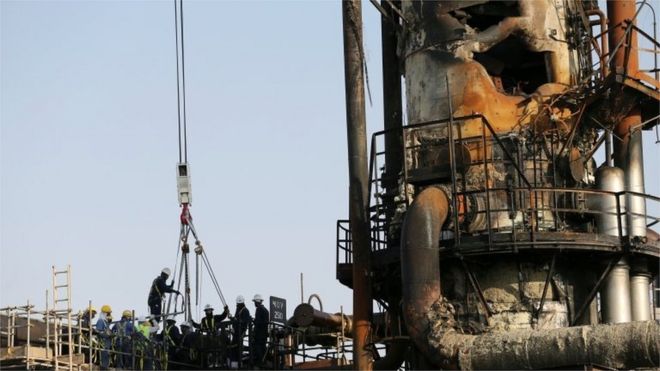
 በቲ መጥቃዕቲ ዝተሃሰየ ትካል ነዳዲ ስዑዲ ዓረብ

Image copyright Reuters ናይ ምስሊ መግለጺ በቲ መጥቃዕቲ ዝተሃሰየ ትካል ነዳዲ ስዑዲ ዓረብ

ኣሜሪካ ነቲ ኣብ ትካላት ነዳዲ ሰዑዲ ዓረብ ዝተኻየደ መጥቃዕቲ ስዒቡ፡ ሰራዊታ ናብ ስዑዲ ክትልእኽ ምዃና ኣፍሊጣ።

ጸሓፊ ሚኒስትሪ ምክልኻል ኣሜሪካ፡ ማርክ ኤስፐር፡ ኣብ ዝሃቦ መብርሂ፡ ቁጽሪ ናይቲ ናብቲ ከባቢ ዝንቀሳቐስ ሰራዊት እኳ እንተዘይገለጸ፡ ኣብ "ምክልኻል ዝዓለመ" ተልእኾ ዘለዎ ምዃኑ ሓቢሩ።

ብኢራን ዝድገፉ ሑቲ-የመን፡ ናይቲ ኣብ ዝሓለፈ ሰሙን ኣብ ክልተ ትካላት ነዳዲ ስዑዲ ዓረብ ንዝተኻየደ መጥቃዕቲ ሓላፍነት ወሲዶም ኣለው።

ኣሜሪካን ስዑዲ ዓረብን ግና ንኢራን እየን ዝኸሳ።

ዓርቢ ንግሆ ግና፡ ፕረዚደንት ትራምፕ ምስ ኢራን ቀጥተኛ ወተሃደራዊ ጎንጺ ከም ዘይደሊ ብምትንባህ፡ "ልዑል እገዳ" ከም ዝተነብረላ ኣፍሊጡ።

ትራምፕ፡ "ከምዝመስለኒ፡ ርእስኻ ምግታእ መግለጺ ናይ ሓያል ሰብ እዩ" ድሕሪ ምባል፡ እቲ ሓድሽ እገዳ ንማእከላይ ባንክ ኢራንን ምንጪ ሃብቲ እታ ሃገርን ዕላማ ከም ዝገብር ተዛሪቡ።

ምስ ኣቦመንበር ጥሙር ሓለቓታት ስታፍ፡ ጀነራል ጆሴፍ ዳንፎርድ ብምዃን ብዓርቢ መግለጺ ዝሃበ ሚስተር ኤስፐር፡ ስዑዲ ዓረብን ሕቡራት ኢማራት ዓረብን ሓገዝ ምሕታተን ገሊጹ።

ንሱ ወሲኹ፡ እቲ ዝለኣኽ ሓይሊ፡ ንዓቕሚ ሓይሊ ኣየርን ምክልኻል ሚሳይልን ክብ ከም ዘብልን፤ ኣሜሪካ ንክልቲአን ሃገራት እትገብሮ ቀረብ ወትሃደራዊ ንዋት ከም እተቀላጥፍን ሓቢሩ።

ጀነራል ዳንፎርድ እቲ ምውፋር "መጠነኛ" ምኳኑ ብምግላጽ፡ ብኣሽሓት ዝቑጸሩ ከም ዘይኮኑ ሓቢሩ። ካብኡ ንላዕሊ ዝርዝራት ግን ኣይገለጸን።

ኣሜሪካ ኣብ ልዕሊ ኢራን ናይ ኣየር መጥቃዕቲ ከተካይድ እንተኾየና ዝተሓተተ ሚስተር ኤስፐር፡ "ኣብዚ እዋን ኣብኡ ኣይበጻሕናን" ዝብል ምላሽ ከም ዝሃበ ኒውዮርክ ታየምስ ጸብጺቡ።

ሚኒሰትሪ ምክልኻል ስዑዲ ዓረብ፡ ኣብቲ ኣብ ትካላት ነዳዲ ስዑዲ ናይ ዝተኻየደ መጥቃዕቲ ዝተረኽበ ናይ ሚሳይልን ሰብ ኣልቦ ነፈርቲ (ድሮን) ስብርባር ሓጻዊን ንምርኢት ብምቕራብ፡ ኢራን ኢድ ከም ዘለዋ መረጋገጺ ምዃኑ ሓቢሩ።

ብልክዕ ካበይ ከም ዝተተኮሰ ግና ገና ምጽራይ ይካየድ ከም ዘሎ፡ ሓደ ወሃቢ ቃል ገሊጹ።

Source=https://www.bbc.com/tigrinya/news-49780040

ኣቦመንበር ሰልፊ ዲሞክራሲ ህዝቢ ኤርትራ (ሰዲህኤ) ኣቶ ተስፋይ ወልደሚካኤል (ደጊጋ)  ናብ ፕረሲደንት ሕብረት ኤውሮጳ ኣቶ ጂን-ክላውድ ጁንከር መዘከር ልኢኹ፡ ቅዳሕ ናይቲ መዘክር ከኣ ናብ ሃገራት ኤውሮጳ ሰዲዱ። ኣቦመንበር ሰዲህኤ ኣብዚ መልእኽቱ፡ ሃገራት ኤውሮጳ ነቲ መንግስቲ ኖርወይ ኣብ ልዕሊ ንስደተኛነት ከም መኸወሊ ተጠቒሞም ብቐጻሊ፡ ንስደተኛታት ዝምልከት ሕጊ ዝጠሕሱ ደገፍቲ ስርዓት ኤርትራ ጀሚራቶ ዘላ ጥንቁቕ ስጉምቲ ኣብ ግምት ከእትውዎ ተማሕጺኑ።

እቲ መዘክር ንሕብረት ኤውሮጳን ነተን ኣብ ሃገራተን ንዘለዉ ኣስታት 400 ሺሕ ኤርትራውያን ስደተኛታት፡ ልግስን ፖለቲካዊ ዕቑባን ዝህባ ዘለዋ ሃገራትን ብዝለዓለ ደረጃ ኣመስጊኑ። ብምትሕሓዝ ከኣ ነቶም ውሑዳት ሕጊ ስደተኛ ጥሒሶም፡ ተመሊሶም ደገፍቲ ስርዓት ኤርትራ ኮይኖም ናይተን ዝነብርወን ሃገራት ሕጊ ብዘይምኽባር ናይቲ ስርዓት ግዱድን ዘየናሕስን መደብ ክፍሊት 2% ዘተግብሩን ዝተሓባበሩን ኮኒኑ።

ብምቕጻል እቲ መዘክር፡  ዝበዘሐ ኤርትራዊ፡ ብመንግስቲ ኖርወይን ካለኦት መንግስታት ኤውሮጳን ኣብ ልዕሊ እቶም ምስ መንግስቲ ኣስመራ ብምትሕብባር ነቲ ዝረኽብዎ ፖለቲካዊ ዑቕባ ዘባኽኑ ውሑዳት ዝውሰድ ቅኑዕን ጥንቅቑን ስጉምቲ ከምዘይቃወም ጠቒሱ። ኣተሓሒዙ ከኣ እዞም ሕጂ ተመሊሶም ንመንግስቲ ኤርትራ ዝድግፉ ዘለዉ፡ ፖለቲካዊ ዑቕባ ንምርካብ ዘቕረብዎ ምኽንያት “መወዳእታ ዘየብሉ” ግዱድ መደብ ሃገራዊ ኣገልግሎት ምንባሩ ጠቒሱ።

ኣብቲ መዘክር ኣብዚ እዋን’ዚ ብሓርፋፍ ግምት ሰዲህኤ፡ ኣብ ኢጣልያ፡ 120,000፡ ኣብ ጀርመን 80,000፡ ኣብ ስወደን 50, 000፡ ኣብ ዓባይ ብሪታንያን ስዊዘርላንድን ነፍሲ ወከፈን 40,000፡ ኣብ ሆላንድ 25,000፡ ኣብ ፊንላንድን ደንማርክን ነፍሲ ወከፈን 4,000፡ ኣብ በልጅምን ፈረንሳን ነፍሲ ወከፈን 3,000 ኤርትራውያን ስደተኛታት ኣለዉ። ሰዲህኤን ካለኦት ኣሓት ውድባትን በዚ እዘን ሃገራት ንኤርትራውያን ዝሃብኦ ልግስን ፖለቲካዊ ዕቑባን ሕጉሳት ምዃኖም ዝጠቐሰ  መዘክር ሰዲህኤ፡ ብኣንጻሩ ከምቲ መንግስቲ ኖርወይ ዝጠቐሶ፡ ገለ ኤርትራውያን ስደተኛታት፡ ኣብተን ሃገራት ዘሎ ንስደተኛታት ዝምልከት ሕግታት ብምጥሓስ ኣብ ናይቲ ጨቋንን ካብኡ ሃዲሞም ዑቕባ ዝሓተቱን መንግስቲ ኣኼባታትን ፈስቲቫላትን እናተሳተፉን ብግህሰት ሰብኣዊ መሰል ምስ ዝኽሰሱ ከም በዓል የማነ ገብረኣብ ዝኣመሰሉ  ብምትሕብባርን ናይ ስደተኛ መሰሎም የባኽኑ ከም ዘለዉ ከም ዘስተውዕል እቲ መዘክር ብዝርዝር ኣስፊሩ።

እዚ ስእላዊ ሓበሬታ ከም ዘመልክቶ፡ ድሕርቲ ንመበል 25 ዓመት ምጅማር መደብ ሃገራዊ ኣገልግሎትን  ወተሃደራዊ መደበር ታዕሊም ሳዋን ብዝምልከት ኣብ ኖርወይ ከተማ ኦስሎ ኣብ ዝርከብ ኤምባሲ ኤርትራ ኣብ ዝሓለፈ ወርሒ ነሃሰ ዝተኻየደ ጽንብል ላዕለዎት ሰብ መዚ ኖርወይ ብዛዕባቲ ኣብ ልዕሊ እቶም ሕጊ ዝጠሓሱ ስደተኛታት ክውሰድ ዝግበኦ ስጉምቲ ብጽሞና ክዘራረቡ ጀሚሮም ኣለዉ። ኩሉ ከም ዝፈልጦ ኖርወይን ካለኦት ሃገራት ኤውሮጳን ነቲ “መንግስቲ ኤርትራ ብግዱድ ዕስክርና መሰልና ግሂሱ” ዝብል ምኽንያት ተቐቢለን እየን ንኤርትራውያን መሰል ዑቕባ ክህባ ጸኒሐን። ስለዚ እቶም ምስ ላዕለዎት ሓለፍቲ ኤርትራ ኮይኖም ኣብ ዝኽሪ ምጅማር ሃገራዊ ኣገልግሎትን ካለኦት ኣጋጣምታትን ብምስታፍ መሰሎም ኣብ ሓደጋ ዝውድቑ ስደተኛታት ተሓተቲ ባዕላቶም እዮም።

EPDP Chair Urges Europe to Take Action Against Agents of the Asmara regime 3

Thursday, 19 September 2019 21:06

Eritrea Should End 18 Years of Darkness

Written by

Free All Political Prisoners, Including Critics Held Since 2001


EPDP Magazines