

|
||||
|
British MPs take fresh approach to Eritrea
Written by Eritrea Hub News
The critical Canada – Nevsun case: all documents
Written by Martin Plaut
This week former Eritrean miners brought a case against Nevsun in the Canadian Supreme Court.
They accuse the company of knowing that they were National Service men and women – who were effectively treated as slaves on the mines. The company denies the allegations.
The Supreme Court has to decide whether the case can be heard in Canada. A ruling is expected in 3 – 6 months.
Meanwhile, you can see all the key documents here.
This is a summary of the case
Summary
Case summaries are prepared by the Office of the Registrar of the Supreme Court of Canada (Law Branch). Please note that summaries are not provided to the Judges of the Court. They are placed on the Court file and website for information purposes only.
The respondents are Eritrean refugees who sought to bring a representative claim against the appellant, a publicly-held B.C. corporation. They allege that through a chain of subsidiaries, the appellant entered into a commercial venture with Eritrea for the development of a gold, copper and zinc mine in Eritrea. The appellant allegedly engaged the Eritrean military and military controlled corporations and was complicit in the use of forced labour at the mine, conscripted under Eritrea’s National Service Program. The respondents claim to have fallen victim to forced labour, slavery, torture, cruel, inhumane or degrading treatment and crimes against humanity. They bring claims of private law torts as well as breaches of peremptory principles of international law for which they seek damages at customary international law. The appellant denied that the respondents were subjected to forced labour or mistreatment and argued that the military and its personnel were not subject to the control, direction or supervision of the appellant or of the mining company in which the appellant has a 60% indirect interest.
The Supreme Court of British Columbia granted the appellant’s motion to deny the proceeding status as a common law representative action but dismissed the appellant’s motions to stay, dismiss or strike aspects of the respondents’ claims on the basis that either Eritrea is the forum conveniens, or that the claims are precluded by or have no reasonable chance of success due to the act of state doctrine or the inapplicability of customary international law. The Court also held that certain secondary evidence filed by the respondents was admissible for the limited purpose of providing social and historical facts for context. The Court of Appeal for British Columbia dismissed the appellant’s appeal.
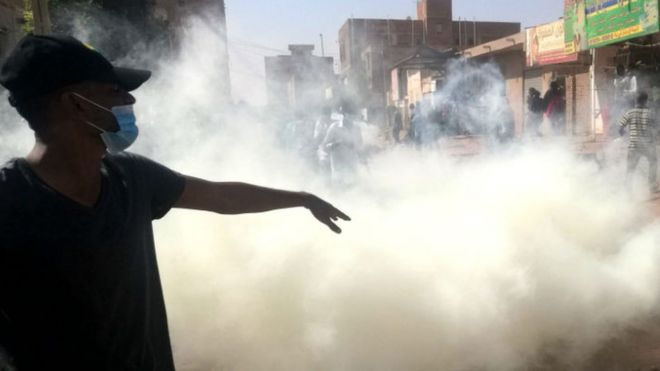
ሓይልታት ጸጥታ ሱዳን ኣብ ካርቱም ዝተኻየደ ዓብይ ተቓውሞ ሰልፊ ንምብታን ዘንብዕ ትኪ ተጠቒሞም
ሓይልታት ጸጥታ ሱዳን ምስቶም ትማሊ ኣብ ርእሰ ከተማ ካርቱም ዓብይ ጸረ-መንግስቲ ተቓውሞ ዘካየዱ ሰልፈኛታት ተጓኒፆም።
እቶም ሓይልታት ጸጥታ ኣብ መላእ እታ ሃገር ፕረዚደንት ኣልበሽር ካብ ስልጣኖም ክወርዱ ብምጥላብ ንዝተኻየደ ዓብይ ተቓውሞ ሰልፊ ንምብታን ዘንብዕ ትኪ ተጠቒሞም።
ብምሁራት ዶካትር፣ መሃንዲሳትን መማህራንን ዝምራሕ እዚ ተቓውሞ ሰልፊ፡ ኣብ 50 ከባብታት ሱዳን ከምዝተኻየደ ተሓቢሩ።
ኣብታ ሃገር ዘጋጠመ ምንቁልቋል ቁጠባ ብምቅዋም ኣብ ዝሓለፈ ወርሒ ዝጀመረ እዚ ናዕቢ፡ ሕዚ ኣንፈቱ ብምቕያር፡ ፕረዚደንት ዑመር ሓሰን ኣልበሽር ካብ ስልጣን ምውጋድ ቀንዲ ዕላምኡ ገይሩ ኣሎ።
ጋዜጠኛ ዜነብ ሞሓመድ ሳሊሕ ንቢቢሲ ከምዝገለፀቶ፡ እቲ ትማሊ ሓሙስ ዝተኻየደ ተቓውሞ ሰልፊ ኣብ ታሪኽ ሱዳን እቲ ዝዓበየ እዩ።
ፖሊስ ነቲ ኣብ ዝተፈላለዩ ከባብታት ካርቱም ዝነበረ ብዙሕ ናዕቢ ንምብታን ዘንብዕ ትኪ ከምዝተጠቐመ ድማ ተገሊፁ።
- ኤርትራውያን ስደተኛታት ኣብ ሱዳን ብገበነኛታት ይጋፍዑ
- ኣብ ሱዳን ጎነጽ ዝተሓወሶ ናይ ተቓውሞ ሰልፍታት ይካየድ ኣሎ
- ሓይልታት ጸጥታ ሱዳን ንሰልፈኛታት ይቐትሉን ይኣስሩን ኣለዉ
ኣብታ ሃገር ሰልፊ ተቓውሞ ካብ ዝጅምር ዛጊድ 26 ሰባት ከምዝሞቱ ሰብ መዚ እታ ሃገር ክሕብሩ እንከለዉ፡ ተሓለቕቲ ሰብኣዊ መሰላት ግና ልዕሊ 40 ሰባት ከምዝተቐተሉ እዮም ዝገልፁ።
ነዚ ናይ ተቓውሞ ናዕቢ ብምትሕብባር ኣብ ቅድሚት ዝስርዑ ሱዳናውያን ዶካትር ድማ ቀንዲ ዕላማ ኣካላት ፀጥታ እታ ሃገር ኮይኖም ኣለዉ።
ኣብ ዝሓለፈ ሰሙን ኣካላት ፀጥታ ኣብ ርእሰ ከተማ እታ ሃገር ንሓደ ወዲ 16 ዓመት ሰገንን ሓደ ዶክተርን ቀቲሎም እዮም።
ገለ ናይ ወፃኢ ጋዜጠኛታት ድማ ኣብታ ሃገር ዘሎ ፍፃመታት ንከይፅብፅቡ ተኸልኪሎም ኣለዉ።
ኣብዚ ቀረባ መዓልታት ጥራሕ፡ ንኣልጀዚራ፣ ንናይ ቱርኪ ማእኸል ዜና ኣናዶሉ፣ ከምኡ እውን ንተሌቬዥን ኣልዓረብያን ዝሰርሑ ጋዜጠኛታት ካብታ ሃገር ንከይፅብፅቡ ፍቓድ ስራሕ ተኸልኪሎም ኣለዉ።
Radio Demtsi Harnnet Kassel 24.01.2019
Written by Demtsi Harnnet Kassel
The tragedy of Eritrea’s children: over 40,000 severely malnourished, 300,000 out of school
Written by Martin PlautSource: UNICEF. Photos added.
Eritrea Humanitarian Situation Report: January-December 2018


Highlights
- The year under review was a turning point for Eritrea. In July 2018, Ethiopia and Eritrea signed the historic Joint Declaration of Peace and Friendship, effectively ending two decades of political stalemate between the two countries, and in November 2018, the United Nations Security Council lifted the targeted sanctions imposed on Eritrea since 2009.
- In 2018, UNICEF supported the Government of the State of Eritrea (GoSE) to reach over 46,700 acutely malnourished children under five, treating over 13,430 children for severe acute malnutrition (SAM) and more than 33,290 children for moderate acute malnutrition (MAM).
- In total, 131,360 children were immunized against vaccinepreventable diseases including measles, and more than 32,100 children under five received lifesaving treatments through improved services for Community based Integrated Management of Child Illnesses (C-IMCI).
- UNICEF supported advocacy and behavioural change activities, enabling more than 67,000 people to adopt appropriate hygiene practices.
- More than 6,780 overaged children from drought-prone nomadic and semi-nomadic communities have enrolled in schools through the Complementary Elementary Education (CEE) programme.
- More than 97,800 children were reached with Mine Risk Education (MRE) and other critical protection services.
SITUATION IN NUMBERS
632,450 Total people to be reached in 2018 (HAC 2018)
542,000 Total children to be reached in 2018 (HAC 2018)
UNICEF Appeal 2018 US$ 14 million
Situation Overview and Humanitarian Needs
 Eritrea is characterised by harsh climatic conditions, including cyclical drought, which affects groundwater resources, and flooding during rainy seasons. These events exacerbate the vulnerability of communities, making it difficult for families to fully recover from the effects of one emergency before being affected by another. In recent years, the country’s climatic conditions tested the coping capacities of the population, of which 80 per cent iare dependent on subsistence agriculture.
According to data from the Eritrea Population and Health Survey (EPHS) 2010 data (the latest available), half of all children under five were stunted, and children are affected by sporadic outbreaks of diarrhoea and measles. The risk of landmines and explosive remnants of war continues to affect border communities, particularly children. Approximately 300,000 children are out of school, with most of out-of-school children (OOSC) hailing from nomadic communities, vulnerable to natural disasters. Domestic food production is estimated to meet only between 60 to 70 per cent of the population’s needs. Eritrea generally receives low rainfall with annual rainfall in the highlands and lowlands between 200–700 mm, 700–1100 mm in sub humid zones, and less than 200 mm in the semi–desert areas.
It is expected that a new EPHS will be conducted in early 2019 and will provide updated figures. Until then, UNICEF and GoSE base their calculations on EPHS 2010 data, which revealed up to 23,430 children under five were at risk of SAM. According to Ministry of Education (MoE) 2018, there are around 300,000 OOSC in Eritrea; of whom 81 per cent are of preprimary school age, 29 per cent are of primary school age, and 41 per cent are of lower secondary school age. Many of these children are from nomadic and semi-nomadic drought-prone zobas of Anseba, Gash Barka, Northern Red Sea and the Southern Red Sea. UNICEF’s support to the national education response focuses on community involvement in setting up learning spaces, building capacity of teachers recruited from the local communities, and enrolling OOSC from nomadic communities.
In July 2018, Ethiopia and Eritrea signed the historic Joint Declaration of Peace and Friendship, effectively ending two decades of a political stalemate between the neighbours, and in November 2018, the United Nations Security Council lifted the targeted sanctions imposed on Eritrea since 2009.

Russian contractors are training the army in Sudan, says Moscow
Written by Martin Plaut
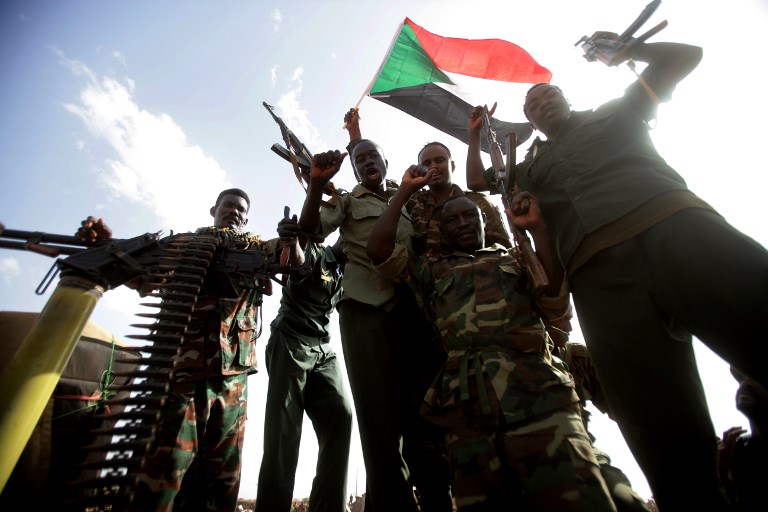
Sudanese soldiers cheer as they hold up their guns and a national flag during President Omar al-Bashir's visit to Sudan's main petroleum centre of Heglig on April 23, 2012 where Sudan's army says more than 1,000 Southern soldiers died in battle. Bashir said there will be no more talks with South Sudan, as fresh Sudanese air raids dashed hopes for an end to weeks of fighting. AFP PHOTO/ASHRAF SHAZLY (Photo by ASHRAF SHAZLY / AFP)
Source: Reuters
JANUARY 23, 2019 / 7:32 PM
MOSCOW (Reuters) – Russia’s Ministry of Foreign Affairs said on
Wednesday that private Russian companies were training the army in
Sudan, confirming for the first time their presence in a country
shaken by protests against its president, a close Russian ally.
Demonstrators have been on the streets near-daily since Dec. 19,
initially to protest against an economic crisis then to call for an
end to the 30-year rule of President Omar al-Bashir.
“According to our information, representatives of Russian private
security companies, who have nothing to do with Russian state bodies,
really do operate in Sudan,” Maria Zakharova, a spokeswoman for the
Russian Foreign Ministry, told reporters.
Zakharova said she was responding to what she called an irresponsible
story in the British press which she said had falsely alleged that
Russian mercenaries were helping the Sudanese authorities quell the
protests.
“Their task (of the private security firms) is limited to training
staff for the military and law enforcement agencies of the Republic of
Sudan,” she said.
Official statistics from the Russian Federal Security Service
available online show a surge in the number of the Russian citizens
who departed for Sudan in late 2017.
Two hundred Russians traveled to Sudan in the fourth quarter of 2017,
according to the data. Prior to that, the highest number of Russians
heading to the African country was 76 in any given quarter since 2013,
the same data showed.
Moscow has been cagey about its activities in Syria, where up to
several thousand private Russian military contractors secretly helped
President Bashar al-Assad regain control of Syrian territory.
Russian officials denied the contractors operated in Syria at the
Russian state’s behest despite them being based at a military facility
back home..
Reporting by Maria Tsvetkova; Editing by Andrew Osborn
Legal issues in today’s Nevsun case in Canada
Written by Martin PlautToday the question of whether it will be possible to bring a case against Nevsun for allegedly using ‘slave labour’ at its Bisha mine in Eritrea will be heard by the Canadian Supreme Court.
This is a technical issue – can it be heard in Canada?
This note explains the issues.
Case Note_ Case of Araya v. Nevsun Resources Ltd in the Canadian Courts
This is the conclusion, which is interesting
The Supreme Court’s decision could very well open the door to a new customary international law action in Canada. If the Court denies Nevsun’s appeal and upholds the lower courts’ decision, it affords the Plaintiffs the opportunity to prove the legal basis for their customary international law claim. Proving this claim will not be easy but, if the Plaintiffs succeed, Canadian courts will, for the first time, provide judicial remedies for victims of a corporation’s customary international law violations.
Returned to hell: how refugees are being forced back to Libya
Written by Martin PlautAlmost 1,000 returned to Libya since the beginning of this year
Source: MSF
Situation update: Migrants and refugees returned to Libya now in overcrowded detention centres

Over the past two weeks, MSF teams in Libya have observed a sharp increase in the number of people held in detention centres in Misrata and Khoms. The number has grown from 650 at the beginning of the year to 930 today. This increase comes as vulnerable refugees, migrants, and asylum seekers have been intercepted or rescued at sea and brought back to Libya in violation of international law. Last week, 117 people drowned in a separate incident in the Mediterranean.
European authorities are failing to provide lifesaving search and rescue capacity in the Central Mediterranean. Instead, the UK and European governments are directly supporting forced returns to dire conditions in Libyan detention.
“It is beyond cynicism that the EU and its Member States continue to implement policies based on intercepting and forcibly returning vulnerable people to detention in Libya, while also continuing to deliberately obstruct life-saving search and rescue vessels which are desperately needed in the Central Mediterranean,” said Sam Turner, MSF Head of Mission for activities in Tripoli and Mediterranean search and rescue operations.
Libya is not a safe place to return refugees and migrants. The levels of violence and exploitation that they are exposed to while in the country are well documented. “People are being returned to the country they try to flee. They are desperate. They need to be assisted and protected, not sent back into a cycle of detention,” said Julien Raickman, MSF Head of Mission for activities in Misrata, Khoms and Bani Walid.
250 people returned to Libya this week
On Monday, 106 people disembarked in Khoms from a commercial ship. It is feared that at least six people reportedly drowned while the group was at sea.
“Upon disembarkation, several people were in need of urgent medical care. MSF intervened to provide medical assistance,” said Julien Raickman. MSF organised 10 medical referrals to a nearby hospital. A 15 year old boy died later at the hospital.
Yesterday, another group of 144 people also rescued by a merchant ship were disembarked in Misrata.
Indefinite detention in Libya
Among the 250 people who disembarked in Misrata and Khoms, there are women, some of whom are pregnant, babies and young children under the age of seven. They were transferred to detention centres in the area. Among the people recently disembarked, there are cases of malnutrition, hypothermia, and severe diarrhoea.
Some of those now in detention centres report that before trying to cross the Mediterranean Sea, they had been held captive by traffickers for weeks, sometimes months, and were deprived of food and systematically abused and tortured.
Those detained have virtually no access to open air space and little access to clean water. The food available is totally inadequate to meet the nutritional needs of people with serious medical conditions, children and pregnant women. In one detention centre in the capital, MSF medical teams have observed signs of unhealthy weight loss among detainees due to an insufficient food supply. Furthermore, nearly all of the detention centres are poorly insulated against the winter weather, resulting in increased illnesses associated with prolonged cold weather exposure.
Clashes in Tripoli put lives in danger
Meanwhile, recent fighting in southern Tripoli has left 14 dead and 58 wounded according to WHO representatives in Libya. Civilians have at times been caught in the conflict zone, and it has impacted the conditions for detained men, women, and children. Last week, clashes occurred near the Qasr Bin Gashir detention centre where some 228 refugees, migrants, and asylum seekers are being arbitrarily held.
Power to the centre’s borehole pump was lost and detainees were left without access to clean water until MSF was able to deliver an emergency provision of water. MSF medical teams have visited the centre twice over the past 48 hours to conduct consultations and provide medication for tuberculosis patients.
Libya should not be considered a place of safety. More must be done to help people trapped in detention centres to find a safe and dignified way out.
Hannah Whitcombe
MSF Press Officer
This email address is being protected from spambots. You need JavaScript enabled to view it.
Sudan: East Sudan New Arrival Dashboard as of 31 December 2018
Written by UN High Commissioner for RefugeesUNHCR continues to receive an influx of new arrivals in East Sudan, largely from Eritrea. New arrivals are received and assisted by the Sudanese Commission for Refugees (COR) at the border where they are temporarily hosted in reception centres. Within 1-2 weeks they are transported to Shagarab camps where they undergo screening, a reception process, registration, and Refugee Status Determination while receiving life-saving services and shelter. Recognized refugees receive COR ID cards.

Source=https://reliefweb.int/report/sudan/sudan-east-sudan-new-arrival-dashboard-31-december-2018

ሓፍትና ኣልማዝ ሃብተ ሰለሙን፡ ብዕለት 15 ጥሪ 2019 ብዘጋጠማ ሃንደበታዊ ሕማም ኣብ ከተማ ስቶክሆልም ሽወደን፡ ብሞት ካብ’ዛ ዓለም ተፈልያትና ኣላ። ስውእቲ ኣልማዝ ሃብተ ብ15 ሚያዝያ 1965 ኣብ ኣስመራ ተወሊዳ። ብለካቲት 1978 ናብ ተሓኤ ተሰሊፋ፡ ኣብ ብሪገድ 72 ተመዲባ ተቓሊሳ። ተሓኤ፡ ተደፊኣ ኣብ መሬት ሱዳን ድሕሪ ምእታዋ ድማ፡ ከም ኣባል ተሓኤ ሰውራዊ ባይቶ ኰይና ግቡኣ ፈጺማ። ኣብ መወዳእታ ድማ፡ ኣባል ሰዲህኤ ኰይና ክትቃለስ ድሕሪ ምጽናሕ ቅድሚ 5 ዓመታት ኣቢላ ናብ ሽወደን ተሰዲዳ ክትነብር ጸኒሓ።
በዚ ዘሕዝን ተረኽቦ፡ ንስውእቲ መንግስተ-ሰማይ፡ ንስድራቤታ፡ ቤተሰባን መቓልስታን ድማ እግዚኣብሄር ጽንዓት ይሃቦም፡ ጠሉ ድማ የውርደሎም እናበልና ብስም መሪሕነትን መሰረታትን ሰዲህኤ ናይ ሓዘኖም ተኻፈልቲ ምዃና ክንገልጽ ንፈቱ።
ቤት ጽሕፈት ዜና ሰዲህኤ
More...
ኢጣልያ፡ ካብ ወደብ ምጽዋዕ ክሳብ ኣዲስ ኣበባ ዝዝርጋሕ መንገዲ ባቡር ንምስራሕ ከምትሕግዝ ኣፍሊጣ
Written by ረድዮ ድምጺ ኣመሪካ
ኣስመራ —
ኢጣልያ፡ ካብ ወደብ ምጽዋዕ ክሳብ ኣዲስ ኣበባ ንዝዝርጋሕ ፕሮጀክት መንገዲ ባቡር ንናይ መጀመርያ መጽናዕቲ ክትሽፍን ምስምምዓ ኣዚዩ ዘሐጉስ`ዩ ክብል ናይ ኢትዮጵያ ቀ/ሚ ኣቢይ ኣሕመድ ሎሚ ኣፍሊጡ።
“ኣብ ኢጣልያ ኣብ ዝነበረና ፃንሒት ምስ ዓለምለኸ ትካላት ብዛዕባ ልምዓትን ሰላምን ብርክት ዝበሉ ምይይጣት ዝገበርና’ኳ እንተኾና፡ ብፍላይ ምስ ቀዳማይ ሚንስትር ኮንቴ ኣብ ዝገበርናዮ ኩለ-መዳያዊ ናይ ልምዓት ምይይጥ ንወደብ ምፅዋዕን ኣዲስ ኣበባን ብመንገዲ ባቡር ንምርኻብ ንዘለና ድልየት ነቲ ናይ መጀመሪያ መፅናዕቲ ምሉእ ናይ ገንዘብ ድጋፍ ክገብሩን ነቲ ውፅኢቱ ሪእዮም`ውን ምትሕብባሮም ክቕፅሉ ዘርኣይዎ ድልየት ኣዚዩ ደስ ዘብልን ብዝለዓለ ደረጃ ዝተቐበልናዮን`ዩ።”
ቀ/ሚ ኣቢይ ሎሚ ኣብ ሮማ ምስ ቀዳማይ ሚንስተር ኢጣልያ ጁሰፐ ኮንተ ኣብ ዝተራኸበሉ እዋን፡ ካልኦት ልምዓታዊ ምትሕግጋዛት`ውን ከም ዝዘተዩን ኣብ ስምምዕ ከም ዝበጽሑን ኣፍሊጡ`ሎ።
ዶ/ር ኣቢይ ብዘይካ`ዚ ምስ ርእሰ-ሊቃነ ጳጳሳት ፍራንሲስን ምስ ፕረዚደንት`ታ ሃገርን፡ ከምኡ ምስ ሓለፍቲ ኣህጉራውያን ትካላትን ማሕበረ-ሰብ ኢትዮጵያን ተራኺቡ ኔሩ።
Source=https://tigrigna.voanews.com/a/ኢጣልያ-ካብ-ወደብ-ምጽዋዕ-ክሳብ-ኣዲስ-ኣበባ-ዝዝርጋሕ-መንገዲ-ባቡር-ንምስራሕ-ከምትሕግዝ-ኣፍሊጣ/4752584.html
Desert Locust situation update 18 January 2019
Written by Food and Agricultural Organisation of the UNSecond generation breeding starts in Sudan/Eritrea outbreak
Groups of late instar hoppers, immature and mature adults are present on the Red Sea coastal plains between Port Sudan to Massawa, Eritrea. A small mature swarm reportedly moved south along the coast towards Massawa earlier this week, reaching Foro on the 13th. A second generation of breeding is in progress with reports of new gregarious hatchlings forming small groups in Eritrea. Ground control operations are underway in both countries. As ecological conditions remain favourable, additional laying and hatching are expected during the remainder of January. Thereafter, breeding is likely to decline based on current rainfall forecasts. Elsewhere, breeding is likely to be in progress in subcoastal areas (Wadi Oko/Diib) in northeast Sudan.
In Saudi Arabia, small immature groups and swarms began arriving on 6 January near farms on the western and northern edge of the Empty Quarter south of Riyadh between Al Sulayyil and Al Aflaj, and south of Haradh. Ground control operations are in progress. These swarms probably originated from breeding in the Empty Quarter along the border of Oman/Yemen/Saudi Arabia where good rains fell from cyclones Mekunu (May) and Luban (October). There is a risk that the swarms will mature and lay eggs on the edges of the farms. On 15 January, a mature swarm was reported on the northern Red Sea coast near Rabigh.
Survey and control efforts should be maintained in all areas.
Source=https://reliefweb.int/report/sudan/desert-locust-situation-update-18-january-2019
Analysis: What options are available for President Bashir of Sudan?
Written by Martin PlautAn important and useful analysis of what might happen in the days ahead
“The exit of Bashir from power is just a matter of time and the current uprising seems to shorten the timing of such exist.”
Martin
Source: Radio Tamazug
By Dr. Luka Biong Deng Kuol
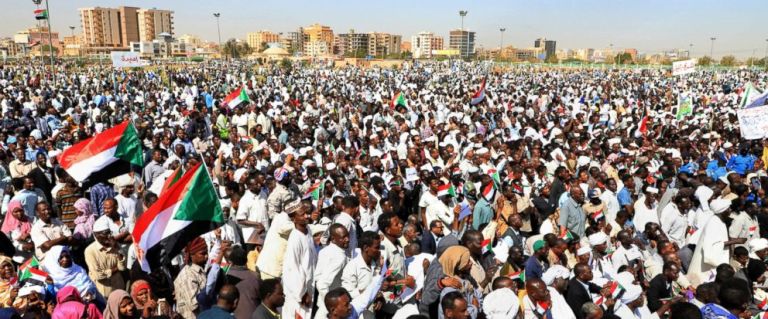
Sudan is one of the few African countries whose citizens pioneered post-independence popular uprisings in 1964 and 1985 that forced the ruling military regimes to step down. Popular uprising has become one of the political norms that Sudanese resort to in redefining their social contract with the state.
The current popular uprising is different from the previous ones in terms of drivers, intensity, popularity, duration, spread and death toll. Although this uprising was triggered by the decision of the government to lift subsidies on essential commodities, it is a manifestation of structural economic, political and social fragility of the state of Sudan. Unlike the previous uprisings, this uprising is engineered by the new forces of youth that are well informed, connected and equipped with enabling technology and social media that the regime is ill-equipped to contain.
The political Islam program adopted by the National Congress Party (NCP) in governing Sudan after regaining power through coup d’état in 1989 has not only resulted in the separation of South Sudan but has also caused enormous human suffering and agony that has contributed to this uprising and relegated Sudan to arguably one of the worst performing states in the world. This peaceful uprising has adopted a chant similar to that of the Arab Spring that “The people want to overthrow the regime” and calls for President Bashir to step down. The uprising seems to regain more strength and reenergize itself the more it is brutally repressed by the government.
There is no doubt the uprising has challenged and tainted the legitimacy of President Bashir and political Islam agenda in the Sudan. While many observers and particularly Sudanese activists see this uprising will eventually lead to the end of the regime of President Bashir, some realist observers see the contrary. It is likely the uprising will persist and continue unabated, while the government is determined to repress it until it is worn out.
Indeed, Sudan is at the crossroads as some observers see President Bashir as having no option but to fight back at any cost, while the protesters are determined to see regime change and the stepping down of President Bashir. If such confrontation continues, and despite the civility exhibited by the peaceful protesters, Sudan is destined for a bloody boiling point and chaos that may result in a scenario similar to that of Syria or Libya.
This uprising can only be quelled by the personal decision of President Bashir. This raises the real question of who is with Bashir and what options are available to him. The withdrawal of 22 political parties, including Islamist political parties, from the national dialogue initiated by President Bashir and their call for him to step down and form a sovereignty council and a transitional government is a political blow to the legitimacy of President Bashir.
Also many observers see that the army has shifted from its absolute allegiance to Bashir to a neutral position and are even siding in some instances with the protestors. The National Intelligence and Security Service (NISS) that has been very loyal to Bashir and has been an integral part of his ruling party, the NCP, has started blaming the government for its mismanagement of the economic crisis. That has also weakened the control of Bashir over the affairs of the government. Even the special military force called “The Rapid Support Force” that was formed to protect Bashir and his regime has taken a neutral position towards the uprising and its leadership has publicly criticized the government for the economic crisis even more than the opposition parties have done.
The political base of Bashir is also eroding, as NCP is divided and withering away from the political scene. Many credible reports have exposed NCP as a mere corrupt self-interest group. Bashir remains with only a few loyal supporters from his party who would like him to fight to the end. Besides the division within the NCP, there is also a friction among the regime’s supporters. The Sudanese Muslim Scholars Association, a body of state-sponsored clerics that is perceived as conservative and loyal to Bashir, has unprecedentedly criticized the government for the economic crisis that has resulted in the uprising and has called for the accountability of the officials responsible for the current economic crisis.
Real Options
Although many Sudanese activists and protesters see the only option available to Bashir is to step down, such option may be elusive. Bashir may indeed have other options. On the basis of my discussions with various Sudanese and non-Sudanese experts on Sudan, Bashir may resort to one of the following options:
- The first reasonable option is for Bashir to voluntarily resign and hand over power to the national army with a technocratic government to oversee the transition to constitutional democratic governance. President Bashir can either leave the country as did the former Tunisian president, Zine El Abidine Ben Ali, to another country that may ensure his safety and protection from the arrest of the International Criminal Court or decide to stay inside the country, as did the former Sudanese president, Ibrahim Abboud in 1964 and former Egyptian president, Hosni Mubarak. This option is unlikely as the national army is too weak and the protesters may not accept such option, as the current national army is a politicized army of the ruling party, the NCP. Some observers see this option as unlikely, as President Bashir turned down similar offers with lucrative guarantees.
- The second option is for President Bashir to declare not to contest for the presidency in general elections in 2020 and to allow the formation of an inclusive transitional government of national unity to oversee the transition to constitutional democratic governance. This option is likely to be accepted by President Bashir, but the protesters will not see it as an option as they are determined to see Bashir stepping down.
- The third option is for President Bashir to defy the uprising and declare a state of emergency to allow him to violently suppress it. Many observers see this as the most likely option, but it would most likely result in more bloodshed and may force the peaceful protesters to become violent, with some probably seeing the option of armed struggle as the only way to force President Bashir to step down. This scenario would be similar to that of Syria and Libya and would result in massive displacement and immense human suffering.
- The fourth option is for Bashir to publicly apologize to the Sudanese people for the atrocities committed during the uprising and bring to the book those who committed atrocities and are responsible for the killing of protestors. He might also call for a genuine and inclusive roundtable dialogue with a commitment that during this national dialogue he will relinquish his powers as president and become a ceremonial president.The aim would be to create a conducive political environment for genuine national dialogue and the formation of a transitional government with reduced powers and influence for the NCP. This would also ensure the participation of moderate Islamist members, as in the case of the Tunisian post-Arab Spring government. This option is likely to be entertained by Bashir and accepted by the protesters, if a trusted body facilitates it. However, the compromise of his continuing as a ceremonial president may not be acceptable in the current climate of extreme protests.
- The fifth option is for President Bashir to declare some cosmetic changes in his government by removing some of the radical Islamists and the trial of those who are accused of committing atrocities during the uprising and of corruption and initiate specific programs to address the anger of the youth. The protesters will certainly not accept this option, as they are determined to see Bashir step down.
The exit of Bashir from power is just a matter of time and the current uprising seems to shorten the timing of such exist.
The likely outcome of the aforementioned options depends on what can be done now to persuade Bashir to accept the option that would address his concerns and meet the demands of the protesters. The third option is likely to prevail, but may lead to more violence and chaos. Although it is difficult to know the psychology of Bashir, some observers describe him as arrogant and over-confident, with excessive traditional pride of the Ja’alin ethnic group and the Sudanese military officers.
These factors would not allow him to accept any option that will taint his pride. Some observers see Bashir as less concerned about ICC than he is about his pride, if he relinquishes power. This may be an overestimation of the level of resilience of Bashir as he may be concerned not to face the scary fate of the leaders ousted by the Arab Spring.
Unlike the former Tunisian president, Zine El Abidine Ben Ali, Bashir would be very concerned about ICC and would prepare to stay inside Sudan, if he were to step down. This may require the UN Security Council to request the ICC under Article 16 of the Rome Statute to defer the prosecution of President Bashir and offer him the incentive to step down voluntarily. Also, even if Bashir were to step down, the serious economic crisis faced by Sudan would not be easily resolvable. This will require enormous external development assistance from the international community to address the immediate survival needs of the protesters and the citizens.
The only body that may provide a trusted platform for dialogue between the protesters and the government is the African Union High-Level Implementation Panel headed by President Mbeki. The Panel under the leadership of President Mbeki will be able to find a consensual agreement as well as mobilize the necessary financial resources from the western countries and the Gulf States to rescue Sudan from its economic meltdown.
The fourth option may provide Sudan with a pathway for a peaceful transition to constitutional democratic governance.
The author, Dr. Luka Biong Deng Kuol, is a Global Fellow of Peace Research Institute in Oslo (PRIO).
ምልካዊ ስርዓት ኢሳያስ ሓረስቶት ጽልማ ዝጥቀሙለን ዝነበሩ ጀነረይተራት ዘሚቱ
Written by ቤት ጽሕፈት ዜና ሰዲህኤ
ቅድሚ ዓሰርተ መዓልታት ኣቢሉ ይኸውን፡ ዲክቶቶርያዊ ስርዓት ኣስመራ፡ ወነንቲ ጀራዲን ዝጥቀሙለን ዝነበሩ ናይ ግሎም ጀነረይተራት፡ ማይ ብዘይ ቀጥዒ ይውድኣ ኣለዋ ብዝብል ምስምስ ካብ ህዝቢ ከምዝዘመተን ምንጪታትና ካብ ውሽጢ ኤርትራ ሓቢሮም።
ጀነረይተራቶም እትወስዶም ተቐማጦ ጽልማ፡ ነቲ ዝምታ ኣሜን ኢሎም ዘይኰነስ ብርቱዕ ተቓውሞ ኢዮም ገይሮም። ከም ሳዕቤኑ ድማ፡ ብዙሓት ብኣባትር ተሃሪሞም ካብ ወተሃደራት መንግስቲ እውን በእማን ዝተፈግኡ ይርከብዎም። ብድሕር’ዚ እቲ ስርዓት፡ ነተን ጀነረይተራትን ንገለ ዝተቓወሙ መንእሰያትን ኣብ መኪና ጽዒኑ ናብ ዘይተፈልጠ ቦታ ከምዝወሰዶም ተፈሊጡ ኣሎ።


