Europe can’t afford to sit back and do nothing when thousands of migrants are dying every week in search of a new life in Italy and Greece

Immigration, leader

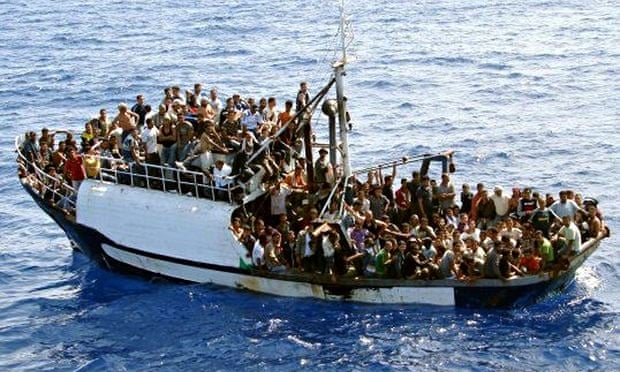
A fishing boat carrying 300 illegal migrants in the Mediterranean. Photograph: AFP/Getty Images

A vast human tragedy is unfolding along the shores of the Mediterranean, its horrors largely ignored by Britain’s inward-looking, election-fixated politicians and an insouciant, slow-to-react European Union. Dozens of orphaned and malnourished children daily cry out for help; injured victims are thrown to sharks or forced overboard by religious fanatics; and hundreds die needlessly in this ruthless, expanding traffic in human suffering.

These grisly events are not occurring on the tourist beaches of Spain’s Costa del Sol, the French Riviera or the sheltered resorts of southern Turkey so beloved of well-to-do European holidaymakers. If they were, there would be more of a fuss. This tragedy has its origins, instead, in impoverished Chad, Darfur and Sierra Leone, in Eritrea and Somalia, in Syria and other war-ravaged countries of the Arab spring. And it reaches its usually unseen, often fatal denouement in the waters off northern Libya, as a growing number of refugees, asylum seekers and economic migrants desperately bids to reach Italy and Greece by sea.

The numbers involved are hard to gauge accurately. But it is clear the exodus, principally from Libya, is accelerating rapidly. Italian ships picked up about 11,000 migrants in the past week alone. Around 950 have drowned or been murdered so far this year, including about 450 in two shipwrecks last week. Although the overall total reaching Europe safely is similar, so far, to the same period last year, according to the International Organisation for Migration, the death toll is 10 times higher. As we report today, many are children who have been abandoned or sent on ahead by their parents in the hope of a better life.

Explanations for this developing tragedy are numerous. Libya, a failed state in all but name, is now embroiled in a multi-factional civil war. In the absence of effective governance, Islamist militias, including jihadis from Isis, hold increasing sway.

In these conditions, people-trafficking and smuggling gangs operate with impunity and readily resort to violence. Only last week the Italian navy was forced to storm a trawler that had been seized by armed men off Libya. The Vatican, meanwhile, condemned the alleged murder of 12 Christian migrants by 15 Muslims who were sharing their boat.

Advertisement

Migrants and refugees, the majority young men, are coming to Libya, the closest point to the Italian coast, and other staging points, from all over the Middle East and north and west Africa, driven by a range of factors. These include all-out war, Islamist insurgencies and climate change-related drought and famine. Rapid population growth, exacerbating a chronic lack of jobs and economic opportunity, is another powerful spur. The result has been called the biggest human upheaval since the Second World War. Mostly, these legions of the displaced are heading for Europe.

So what is Europe doing about it? The answer, so far, is dismayingly little. Instead of rallying around Italy’s admirable Mare Nostrum search and rescue programme, which plucked 100,000 people from the sea in 2014, the EU replaced it with a more limited border security operation run by its Frontex agency. So far this year, Frontex, by comparison, has rescued only 5,000 people. Monthly funding for its Triton programme is less than a third of the Mare Nostrum budget.

As the crisis deepens, Brussels’s dithering grows lethal. The European commission is due to publish a policy document next month, entitled Agenda on Migration. As its name and timing suggest, they are not in a hurry. Member states will consider a more collectivised approach to asylum and legal migration and the contentious idea of migrant processing centres in north Africa. Given the political sensitivity of the immigration issue in EU countries, and the eurozone pleas of poverty, the prospect of quick, effective action is remote.

Both Italy and Greece appealed urgently for increased financial help and practical assistance last week, as did Save the Children and Human Rights Watch. Jan Egeland, a former UN emergency relief co-ordinator, warned that the Mediterranean has become the world’s most dangerous border between countries not at war. He lambasted European governments for their inaction.

Meeting Barack Obama in Washington, Matteo Renzi, Italy’s prime minister, said the Mediterranean was a sea, not a cemetery. Obama promised to help, but his focus is on fighting Isis terrorism and stabilising Libya. From an American point of view, this seems understandable. This crisis on its doorstep is primarily a challenge for relatively wealthy Europe and its professed human rights values. If the EU cannot act collectively to counter such a threat to its shared security, borders and interests, then what, truly, is the EU for? But it seems few in Europe are listening. Europe’s politicians and the EU’s insulated, insular functionaries are shamed by their silence.

Before British Eurosceptics, Ukip included, use this failure to further write off the EU, they should reflect on Britain’s own inexcusably irresponsible response to the emergency. The government refused last autumn to support Mare Nostrum or Frontex’s replacement operation. Its argument, that search and rescue programmes only encouraged increased migration, has been totally discredited by this spring’s surge. Yet far from acknowledging their mistake, the Conservatives persist in ignoring what is happening beyond Dover. They will not or cannot see the bigger picture.

Their election manifesto makes no mention of the migration crisis in the Middle East and Africa or the link to non-EU immigration into Britain. Does home secretary Theresa May really believe the young men jumping lorries at Calais have materialised from nowhere, like shadow figures emerging from a hidden underworld? Does Nigel Farage really think Britain is alone in facing these difficulties, and that it alone can resolve them? And what does Ed Miliband, whose immigration policy focus has also been disappointingly domestic, propose to do about the wider issues? It is time such matters were included in the wider election debate.

The challenge is enormous. The fundamental causes of this crisis will take years to address. An urgent first step is to reinstitute EU-underwritten search and rescue operations. At the same time, as the UN has urged, a top priority must be to create safe, legal options so that would-be migrants do not need to turn to people smugglers or put their lives at risk at sea. More should be done, too, to broker peace in Libya. Britain and other EU governments have a joint responsibility, to victims and voters, to act swiftly to halt the mayhem in the Mediterranean.

ብ17 ሚያዝያ 2015 ኣኼባ ሰልፊ ዲሞክራሲ ህዝቢ ኤርትራ -ዞባ ኣውሮጳ ተኻይዱ። ኣቦ መንበር ዞባ ኣውሮጳ፡ ሓው ብርሃነ ገብረክርስቶስ፡ ናይ እንቋዕ ደሓን መጻእኩም መልእኽቲ ድሕሪ ምትሕልላፍ፡ ብዛዕባ ህልዊ ኵነታት ኤርትራ ብሓፈሻ ብዛዕባ ብሊብያ ኣቢሎም ናብ ጣልያን ዝውሕዙ ዘለዉ ስደተኛታት ድማ ብፍላይ ሰፊሕ ሓበሬታ ኣቕሪቡ።

እዚ ኣብ ዝሓለፈ ቍሩብ መዓልታት ኣብ ማእከላይ ባሕሪ ዘጋጠመ ህልቂት ናይ ስደተኛታት ንህልቂት ናይ ላምፓዱዛ ዝመሳሰል ምዃኑ ድሕሪ ምሕባር፡ ሓዘንን ጓህን ህዝቢ ኤርትራ ጌና ኣይተወድአን ኢሉ።

ብዋሕዚ ናይ ስደተኛታት ናብ ሃገረን ዝርዓዳ መንግስታት ኣውሮጳ ድማ፡ ናብ ኤርትራ ልኡኻተን ብምስዳድ፡ ነዚ ዋሕዚ ናይ ስደተኛታት ደው ዘብላሉ ብልሓት ንምርካብ ይጽዕራ ከምዘለዋ ኣብሪሁ። ሃገራት ኣውሮጳ፡ ምስ ስርዓት ኢሳያስ ኣብ ዝገብርዎ ርክብ፡ ጠንቂ ናይ ዋሕዚ ስደተኛታት ኤርትራውያን፡ ሃገራዊ ኣገልግሎት፡ ግዝኣተ-ሕጊ ዘይምህላው፡ ውልቃዊ ናጽነታት ዘይኽበረላ ሃገር ስለዝዀነት ኢያ'ሞ ኣብ'ዚ መዳያት'ዚ ምምሕያሻት ክተኣታቱ ክጠልቡ ከለዉ፤ ስርዓት ኤርትራ ከኣ፡ ከም'ቲ ልሙድ፡ እቲ ጸገም ንሕና ዝዓነወት ሃገር ኢና ተረኪብና፡ ኣብ ኣይውግእ ኣይሰላም ዝዀነ ኵነታት ኢና ንርከብ፤ ሓገዝ እንተተገይሩልና ግን ንሃገራዊ ኣገልግሎት ናብ 18 ኣዋርሕ ክንድርቶ ኢና፤ ይቕሬታ ንዝሓተቱ ብዘይ ሕጊ ካብ ሃገሮም ንዝወጹ ዜጋታት ምሕረት ክንገብር ኢና፡ ቅዋም ክንነድፍ ኢና ዝብል ናይ ሓሶት መብጽዓታት ክገብር ኢዩ ዝስማዕ። ኣብ ርእስ'ዚ፡ እቲ ብይን ናይ ዶብ ኣብ ግብሪ ኝክውዕል ሃገራት ኣውሮጳ ኣብ ልዕሊ ኢትዮጵያ ጸቕጥታት ክገብራ፤ ነቶም ናይ ፖለቲካ እሱራት ንሃገር ዝኸድዑ ገይሩ ናይ ምቕራብ ፈተነታት ከምዘካይድ ሓቢሩ። ኣብ ርእስ'ዚ፡ ሃገራት ኣውሮጳ፡ በቲ ኣብ ማእከላይ ምብራቕ ዝርአ ዘሎ ናዕቢታት ዘስዓቦ ዋሕዚ ናይ ስደተኛታትን ጥሩፍነትን ስለዝሰግኡ፡ ንረብሓኦም ክብሉ ምስ ዲክታቶርያውያን ስርዓታት ክተሓባበሩ ከምዝኽእሉ ህልው ኵነታት ዝምስክሮ ሓቂ ኢዩ ኢሉ። ነዚ ኵነታት'ዚ ንምብዳህ፡ ኵሎም ደለይቲ ፍትሕን ዲሞክራስን ዝዀኑ ውድባት፡ ሰልፍታትን ሲቪላውያን ማሕበራትን ቅዋም፡ ግዝኣተ-ሕጂ፡ ሰላም፡ ልዑላውነት፡ ሓድነት ናይ ህዝቢ ንምርግጋጽ ሓቢሮም ንኽሰርሑ ብምጽዋዕ መግለጺኡ ደምዲሙ።

ብድሕር'ዚ፡ ኣብ'ቲ ዛዕባታት ናይ'ቲ ኣኼባ ብምእታው፡ ንሰፊሕ በዓል (ፈስቲቫል) 2015 ዝምልከት ክሳብ'ዚ እዋን'ዚ ተገይሩ ዘሎ ምድላዋት ብዝርዝር ሓቢሩ። ኣስዕቡ፡ ብዛዕባ ንድፊ ፖለቲካዊ መደብ ዕዮ ድማ፡ ኣብ መሰረታት ወሪዱ ዘድሊ ምይይጥ ተኻይድሉ፡ ንምምሕያሽ ዝምልከቱ ርእይቶታትን ለበዋታትን ናብ ዝምልከቶ ኣካል በጺሑ ምህላዉ ሓቢሩ። ንድፊ ቅዋም ከኣ፡ ናብ መሰረታት ወሪዱ ኣሎ። ናይ መሰረታት ርእይቶ ብስርዒታዊ መስኖታቱ ኣቢሉ ናብ ዞባ ሽማግለን ኣሰናዳኢት ኮሚቴ ጕባኤን ክበጽሕ ምዃኑ ውን ኣብሪሁ። ብዛዕባ ጕባኤ ዞ ብዝምልከት ከኣ፡ ድሕሪ ጕባኤ ሰልፊ እንተዀነ ይሓይሽ ዝብል ሓሳብ ኣቕሪቡ።

ኣኼበኛታት፡ ኣብ'ቲ ብኣቦ መንበር ዝቐረበ ዛዕባታትን መግለጺታትን ብዕምቆት ድሕሪ ምምይያጥ፡ ሃናጽን ጠቓምን ሓሳባትን ለበዋታትን ብምቕራብ፡ ኣኼባ ብናይ ምርድዳእን ናይ ንስራሕ ዝብል መንፈስን ተዛዚሙ።

ብ16 ሚያዝያ 2015፡ ካብ ቤት ጽሕፈት ወይዘሮ ፈደሪካ ሞገሪኒ፡ ምኽትል ኮሚሽን ሕቡራት ሃገራት፡ ላዕለወይቲ ወኪል ጕዳያት ወጻእን ጸጥታዊ ፖሊስን፡ ናብ ሰዲህኤ ዘመሓላለፈቶ፡ ሕብረት ኣውሮጳ፡ "ብዛዕባ'ቲ ኣብ ኤርትራ ዘሎ ጽንኩር ኵነታት ሰብኣዊ መሰላት" ልክዕ ከም ሰልፊ ዲሞክራሲ ህዝቢ ኤርትራ ሻቕሎት ኣለዎ ኢላ። ቀጺላ "ንኵነታት ሰብኣዊ መሰላት ኣብ ኤርትራ ንምምሕያሽ፡ ኣብ ልዕሊ ኤርትራ ተጽዕኖታት ክቕጽል ምዃኑ" ኣረጋጊጻ።

ነቲ ብሕብረት ኣውሮጳ ዝተወስደ ስጕምቲ ክትገልጽ ከላ ድማ፡ "ዕላማ ሕብረት ኣውሮጳ፡ ህዝቢ ኤርትራ ሰላማዊ፡ ዘላቕን ረብሓ ዝርከቦ ህይወት መታን ክጓናጸፍ ኢዩ" ትብል።

እዚ፡ ነቲ ንዘይእረም ስርዓት ኣብ ኤርትራ ክውሃብ ዝሕሰብ ዘሎ ሓገዝ ብምቅዋም ሰዲህኤ ብ31 መጋቢት 2015 ናብ ሕብረት ኣውሮጳ ዝጽሓፎ ናይ ተቓውሞ መዘክር ዝውሃብ ዘሎ መልሲ ኢዩ። ሕብረት ኣውሮጳ፡ ንኽልተ ዓበይቲ ምኽንያታት ምስ ኤርትራ ቀሪቡ ክሰርሕ ድሌት ከምዘለዎ ይሕብር። እቲ ቀዳማይ ምኽንያት፡ "ሕብረት ኣውሮጳ፡ ኵነታት ሰብኣዊ መሰላትን ካልእ ጕዳያትን ንምምሕያሽ ክኸውን ከሎ፤ እቲ ካልኣይ ምኽንያት ድማ፡ "ንህዝቢ ኤርትራ ብፕሮጀክት ልምዓት ሕቡራት ሃገራት ከምዝጥቀም ምግባር ኢዩ" ትብል።

ነዚ መልእኽቲ ኣብ ክንዲ ወይዘሮ ሞገሪኒ ዝፈረመት ወይዘሮ ክላውድያ ዊደይ፡ ኣካያዲት ክፍሊ ኣውሮጳዊ ናይ ወጻኢ ግብራዊ ኣገልግሎት (European External Action Service (EEAS)፡ ንፍርሒ ኤርትራውያን ንምትህድዳእ "እቲ ብሕብረት ኣውሮጳ ዝውሃብ ደገፍ፡ ስራሕ ኣብ ምፍጣርን ድኽነት ኣብ ምንካይን ኣብ ካልእ ህዝቢ ዘርብሑ መደባት ንኽውዕል ጥብቕ ዝበለ ቍጽጽር ክግበረሉ ኢዩ" ትብል። ብመሰረት'ቲ ደብዳበ፡ ደገፍ ሕብረት ኣውሮጳ ኣብ'ዚ ህልዊ ኵነታት፡ ሕርሻዊ ማእቶት ብምዝያድ፡ ዋሕስነት መግቢ ምርግጋጽን ማሕበረ-ኮማዊ ኣብያተ-ፍርዲ ብምድጋፍ፡ ግዝኣተ-ሕጊ ኣብ ምንጋስ ምሕጋዝን ኢዩ" ዝብል። ኣብ ርእስ'ዚ፡ ንዘይመንግስታውያን ተዋሳእቲ ውድባት እውን ደገፍ ክግበር ምዃኑ ኣብ'ቲ መልእኽቲ ተጠቒሱ ኣሎ። መንነት ናይ'ቶም ዘይመንግስታውያን ተዋሳእቲ ውድባት ግን ኣይተሓበረን።

ኣስዒቡ፡ ብዛዕባ ስደተኛታት ኣመልኪቱ ሰዲህኤ ዘለዎ ሻቕሎት፡ ሕብረት ኣውሮጳ ውን ሻቕሎቱ ኢዩ ክብል ኣብ'ቲ መልእኽቱ ገሊጹ። ካብ'ዚ ብምብጋስ፡ ሕብረት ኣውሮጳ፡ ነቲ "ናይ ካርቱም መስርሕ" ተባሂሉ ዝጽዋዕ፡ ብሕዳር 2014 ዝቖመ ንዘይሕጋዊ ንግዲ ደቂ ሰባት ኣብ ቀርኒ ኣፍሪቃ ንምውጋእ ተባሂሉ ዝስርሓሉ ዘሎ ፕሮጀክት (Horn of Africa Migration Route Initiative (HoAMRI) ኣካሉ ምዃኑ ገሊጹ።


Sesadu 2ሕዝባዊ መግለጺ-ስዊደን        

ጽላል ስዊደናውያን/ኤርትራውያን ንደሞክራስያዊ ለውጢ ትማሊ ቀዳም ዕለት 18 ሚያዝያ 2015 ናይ ኣባላት ኣኼባ ኣካዪዱ። ኣብዚ አኼባ እዚ ካብቶም ወሪዶም ዝነበሩ ዛዕባታት እቲ ቀንዲ መካትዕን መዛረብን ዝነበረ ድማ ከመይ ገርና ኢና ናብ ናይ ሓባር ራእይ ከመርሓና ዝኽእል ንባህግታት ድልየትን ሕዝብና ዘማልእ ስትራተጂ ንሕነጽ ዝብል ኢዩ ነሩ።

ኣብ ዝኾነ ደሞክራስያዊ ማዕበል በብግዜኡ ዝተፈላለዩ ርእይቶታት ዝንባለታት ክረኣዩ ባህርያውን ናይ ግድን ኢዩ፣ እቲ ሕቶ ነዚ ዝንባላታት እዚ ከመይ ገርካ ትኣልዮን ተመሓድሮን ኢዩ።

አኼባ ኣባላት ጽላል ብሰፊሑ ብኩነታት ደንበ ተቃውም ኣብ ከተማ ስቶክሆልም ካብ 2001 ጀሚሩ ክሳብ ኣብዚ ግዜዚ ዝተጓነፎ ብድሆታትን ዕድላትን ብህዱእ ተመያዪጡን ተረዳዲኡን።

አኼባ ኣባላት ጽላል ንዝኾነ ተበግሶ ንደሞክራስያዊ ለውጢ መን ኣበገሶ ብዘየግድስ ብጽቡቅ መንፈስ ክቅበል ከምዝጸንሔን ሕጂ እውን እንተኾነ በዚ እምነቶ እዚ ዝኾነ ምንቅስቃስ ንደሞክራስያዊ ለውጢ ምስ ዝመጽእ መርሓባ ኢልና ንቅበሎን ነተባብዖን ምኽንያቱ እቲ እንካይዶ ሕዝባዊ ጉዳይ እምበር ናይ ውልቀ ዝናን ስልጣንን ብሕታውን ጉዳይ ኣይኮነን ብዝብል ኣረዳድኣ ኣሰሚሩሉ።

ቃልሲ ንደሞክራስያዊ ለውጢ ቃልሲ ተዋፋይነትን እምነትን ኢዩ። በዚ መትከላዊ እምንቶ ድማ ኢና ንኩሉ ዝገጥመና ተጻብኦታት ብልዝብ ክንፈትሕ ጽኒሕና።ሕጂ እውን እንተኾነ ነቲ ተበግሶ ናይ ምቅርራብን ናብ ናይ ሓባር ስራሕ ዝመርሓና ከነዋሃህድ ብወገና ጸገም የለን።

እቲ ኣብዚ ግዜዚ ክኽበር ዘለዎ መበል 24 ዓመት ናጽነት ኤርትራ ብሓንሳብ ምስቶም ሓይሊ ዕማም ነዚ መደብ ሒዞም ዘለዉ ክሳተፉ እቲ ኣኼባ ኣባላት ጽላል ወሲኑ፣ ተማ ጽንብል እምቢ ንምልኪ ናይ ሓባር መልእኽትና ኢዩ፣ እቶም ነዚ ጽንብልዚ እዚ ዓጂቦም ንሕዝብና ዘነቃቅሑን ዘለዓዕሉን ድማ ናይታ ጽባሕ ንጽበያ ኤርትራ ወረስቲ ቃልስና ኢዮም ቅድም ቀዳድም እውን ብሰንኪ በብይንናን ክንከይድ ብምጽናሕን ሓቀኛ ሓበረታ ብዘይ ምርካብን ምንባሩ እቲ ኣኼባ ኣሰሚሩሉ፡፤

ሎሚ ድማ ናይ ሓባር ስራሕና "ክንበል በለ እምበር ኣይተኻዕወን" ስለዚ ምእንቲ ድህነት ሕዝብና ሃገርናን፣ ነዚ ተሪኻዊ መዓልቲ ብሓባር ከነኽብሮን ንትስፉእ መጻኢ ድማ ኣብ ኩሉ ቃልስታት ንደሞክራስያዊ ለውጢ ኣብ ስዊደን ብምውህሃድን ምርድዳእን ክኸውን እቲ አኼባ ለበዋኡ ኣቅሪቡ።


[1]SESADU is a Swedish- Eritrean Community for democratic change established and registered in 2009 in Stockholm. Membership is open to all Eritreans struggling for democracy and human rights. It has achieved a lot in Sweden by influencing the swedish political opinion, awakening and engaging the people against the dictatorship in Eritrea. It has been supporting all forces for democratic change. For further information see our home page by; www.sesadu.se


EPDP Information Office

In a response letter dated 16 April 2015, the office of Ms. Federica Mogherini, the EU Commission Vice-President and High Representative for Foreign Affairs and Security Policy, stated that the EU shares EPDP concerns “about the difficult rights situation in Eritrea” and that it “will continue to press on the Government of Eritrea” to improve its handling of human rights issues and “provide assistance to the people”. 

The letter tried to justify why the EU is about to help the Asmara regime this year because “EU’s overall objective remains to help the people in Eritrea to have a peaceful, sustainable and rewarding life”.

Written in response to the EPDP memorandum of 31 March 2015 protesting about the intended EU support to the incorrigible regime in Eritrea, the EU letter believed that political engagement with Eritrea “remains valuable for two reasons”. It says the first reason is to help EU “press for improvement in human rights and reform across the board”, and the second reason for EU’s support to the Asmara regime is “to support the Eritrean people through EU development projects”.

The lengthy letter, signed on behalf of Ms Mogherini by Ms Claudia Wiedey, the Division Head for EU’s European External Action Service (EEAS), further stated to allay Eritrean fears that “strict monitoring procedures make sure that EU aid is for the benefit of people, creating jobs and reducing poverty”. According to the letter, “currently, EU support is focusing on food security enhancement through the improvement of agricultural production and yields, and on strengthening the rule of law in Eritrea by supporting community courts at grassroots’ level”. It was also stated that the support will benefit non-state actors inside Eritrea but did not specify which civil society organizations.

The message further stated that EU is sharing EPDP memo concerns about refugees. It explained that EU is fully behind the Horn of Africa Migration Route Initiative (HoAMRI), also called the Khartoum Process, established in November 2014 to fight human trafficking and people smuggling in the region.

ሰልፊ ዲሞክራሲ ህዝቢ ኤርትራ (ሰዲህኤ)፡ ናብ ፕረሲደንት ኮሚሽን ኣውሮጳ፡ ኣቶ ጃን ካላውድ ዩንከር፡ ኣብ ዝጸሓፎ መዘክር፡ ሕብረት ኣውሮጳ ንህይወት ናይ'ቶም ኣብ ገማግም ኣውሮጳ ዝጥሕሉ ዘለዉ ስደተኛታት ከድሕን ደጊሙ ኣዘኻኺሩ።

ኣቦ መንበር ሰዲህኤ፡ ኣቶ መንግስተኣብ ኣስመሮም፡ ናብ ፕረሲደንት ኣውሮጳዊ ኮሚሽን ኣብ ዝለኣኾ መዘክር "ኣብ'ዚ ሰሙን'ዚ ኣብ'ቲ ገማግም ባሕርኹም ኣብ ማእከላይ ባሕሪ ዘጓናፈ ንላምፓዱዛ ዝመሳሰል ዳግማይ ህልቂት ኣብ ሓዘን ኢና ዘለና እሞ፡ ተኻፈልቲ ሓዘና ኩኑ" ኢሉ።

EU

ቅዳሕ ናይ'ዚ መዘክር፡ ናብ ወይዘሮ ፈደሪካ ሞገሪኒ፡ ላዕለወይቲ ኮሚሽነር ናይ ወጻእን ጸጥታዊ ጕዳያት ሕብረት ኣውሮጳ፤ ኣቶ ዶናልድ ታስክ፡ ፕረሲደንት ባይቶ ሕብረት ኣውሮጳ፤ ኣቶ ማርቲን ሹልትስ፡ ፕረሲደንት ኣውሮጳዊ ፓርላማ፤ ከምኡ'ውን፡ ናብ 28 ቀወምቲ ልኡኻት ናይ ኣባላት ሃገራት ኣውሮጳ ተላኢኹ። ኣብ ርእስ'ዚ፡ እቲ መዘክር፡ ንዲክታቶርያዊ ስርዓት ኤርትራ ምድጋፍ ነቲ ሽግር ንምፍታሕ ዘይኰነስ፡ ነቲ ዲክታቶር ግርም ኣለኻ ምባል ኢዩ ዝቝጸር ዝብል ነቐፌታ ወይ መልእኽቲ ዝሓዘለ ኢዩ ነይሩ።

In a memorandum addressed to Mr. Jean-Claude Juncker, President of the European Commission, the Eritrean People’s Democratic Party (EPDP) once more urged the regional body to save refugee lives from drowning in the immediate shores of Europe.

The EPDP Chairman, Mr. Menghesteab Asmerom, asked the EU Commission President to “join us in mourning yet another tragedy, another Lampedusa that occurred this week in the Mediterranean Sea – your sea”.

EU

Copied also to Ms Federica Mogherini, EU High Representative for Foreign Affairs and Security Policy; Mr. Donald Tusk, President of the Council of EU; Mr. Martin Schulz, President of the European Parliament, as well as to Permanent Missions of 28 EU Member States, the EPDP memo of 17 April 2015 also urged the European organization no to go ahead with its intention of rewarding the dictatorship in Eritrea because doing so will not solve the problem. Printed below is the full text of the memorandum.

***

Your Excellency Mr. Jean-Claude Juncker,

I, the undersigned chairman of the Eritrean People’s Democratic Party (EPDP), an organization in exile struggling for democratic change in Eritrea, am addressing this message to Your Excellency, with copies to your close work colleagues, to ask you to join us in mourning yet another tragedy, another Lampedusa, that occurred this week in the Mediterranean Sea – your sea - claiming over 400 lives. And as usual, many of them were from my distressed country, Eritrea.

Mr. Juncker,

Eritrea has become a human disaster and a situation similar to what is going on in Syria and other war-torn regions of the world. As you very well know, the cause of human displacement and suffering in Eritrea is not an ongoing war but the total absence of the rule of law and respect to human rights.

This week and in recent years, the vast majority of victims in the Mediterranean Sea were not “migrants” but genuine asylum seekers fleeing humanly intolerable situations in Eritrea, Somalia, Syria and a few other places. And needless to say, they are people who deserve protection until the situation that forced them to escape from home is changed to the better. Unfortunately, Sir, the EU is not responding appropriately to the plight of refugees. Instead, it joins others to describe asylum seekers from Eritrea, Syrian, Somalia and similar hard hit regions as “migrants” and wrongly believes that the death of many more of them will stop others from taking the risk. .

Dear Sir,

This memorandum aims to once again call upon your esteemed office to review the EU policy of not actively engaging in saving lives in the Mediterranean Sea. Therefore, we request the EU

To kindly come with a meaningful operation like the now defunct Mare Nostrum to save lives.

We also believe that EU must launch a major support programme for Eritrean refugees with package programme in the Horn of Africa. As explained many times to the EU, this programme can provide academic education, skill training and scholarships and prepare young and disadvantaged Eritreans for a better future in post-dictatorship Eritrea. It can be financed mainly by the technical assistance funds suspended for over a decade by many countries because of the Asmara regime’s bad human rights record.

Your Excellency,

Allow me also to take this opportunity to reiterate our utter disappointment about the intended EU support to the incorrigible regime in Asmara that failed the EU and all well intentioned donors in the past several years. The money EU is intending to give to the regime will not stop the suffering of Eritreans, and their flight will continue until a positive change is realized in the country. We, therefore, ask the EU to reconsider and drop its intention of rewarding the dictatorship in Eritrea for its appalling human rights record as attested by experts of the UN Human Rights Council.


© UNHCR/F.Malavolta
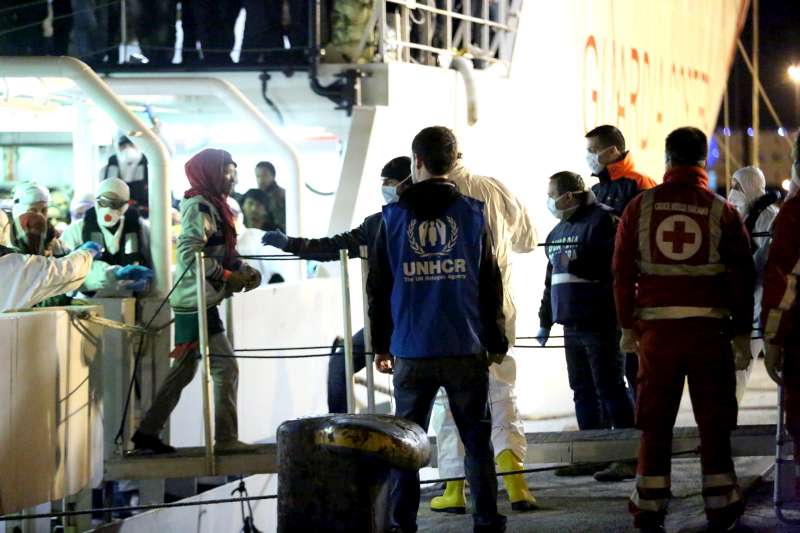
A UNHCR staff member watches as people rescued from the Mediterranean disembark from an Italian Coastguard vessel at Palermo, Sicily, this morning.

GENEVA, April 14 (UNHCR)The UN refugee agency on Tuesday renewed its call for stepped up rescue operations in the Mediterranean after the Italian Coastguard saved some 8,500 migrants and refugees trying to cross the high seas by irregular routes to Europe from North Africa.

Those rescued since last Friday included an estimated 3,000 people in four boats and 16 dinghies rescued on Monday. At the same time, at least nine people are known to have drowned. These figures are provisional and could rise, as not all the boats have disembarked yet and some are still on their way towards various ports in southern Italy.

The coastguard often requests merchant ships to take part in search-and-rescue operations if all other vessels are being used. On Monday, seven ships travelling towards Libya were asked to help boats in distress and to take those rescued to Sicily. UNHCR has also called for a compensation scheme to alleviate the costs of rescue operations for commercial vessels.

Among those arriving at Palermo early Tuesday was 30-year-old Gebre from Eritrea, who said his boat left Tripoli three days earlier carrying about 400 people. "It was dark and so crowded I could not even move," he said. "After the first night of travel, the boat started taking on water; I have never been so scared. I felt helpless and terrified. Luckily, the Italian Coastguard came shortly after and rescued us all."

Aali, a 21-year-old Libyan from Sirte, said he fled after his brother was killed and his food shop torched by militants. The war changed everything," he said, adding: "Was there really an alternative to this dangerous sea journey?"

UNHCR praised the commitment shown by the Italian authorities in rescuing people in need on the high seas, before renewing an appeal for stepped up rescue efforts and the urgent establishment of a robust European search-and-rescue operation.

This year's toll of dead and missing in the Mediterranean Sea is now well over 500, a number which is 30 times higher than the same period of 2014. These figures show that not enough resources are being used to address the population flows and that, without proper search, rescue and monitoring operations at sea, many more people will die trying to reach safety in Europe.

UNHCR is also calling for legal, safe alternatives for those fleeing conflict and persecution, so that they are not forced to attempt the crossing to Europe by sea.

In the Gulf of Yemen, meanwhile, refugees continue to arrive in Djibouti and Somalia from Yemen, with a total of 1,260 people arriving by boat to both countries over the past two weeks.

All those arriving in Djibouti were Yemeni nationals, aside from three Syrians. The latest new arrivals have fled the intense violence in Aden, whereas earlier waves came mostly from Bab el-Mandeb.

In Djibouti, refugees are registered and receive medical checks and vaccinations before being transferred to a new camp under construction at Markazi, which has 70 tents in place so far.

A total of 915 people, including 156 Yemenis, have arrived across the Gulf of Aden, in Somaliland and Puntland. Recent arrivals to Bossaso port in Puntland have departed from Al Mukalla port in Yemen, and included women and children who arrived extremely thirsty and asking for water.

One woman was heavily pregnant and taken to the Bossaso health centre to deliver her baby. Recent arrivals to Berbera port in Somaliland left Mukha port in Yemen, with other ports closed. The refugees said they paid US$50 per person and that many more people were waiting to depart.

UNHCR and its partners are making contingency plans to receive up to 30,000 refugees in Djibouti and 100,000 in Somalia over the next six months

Inside Yemen, the humanitarian situation continues to deteriorate as conflict spreads. Eighteen out of 22 governorates are now affected by conflict. "Many of the 250,000 mainly Somali refugees in Yemen are also affected by the conflict and we continue to see an increase in people moving from urban areas around Aden to the Kharaz refugee camp, hosting 18,000 people," a spokesperson said.

Meanwhile boats also continue to arrive on the Yemen coast. Last Sunday, 251 people (mainly Ethiopians, but also Somalis) arrived at Mayfa'a. UNHCR partners and staff are registering new arrivals.


Source= http://www.unhcr.org/552d26569.html