Source: Time

Putin’s Exploitation of Africa Could Help Him Evade Sanctions

By George Clooney, Justyna Gudzowska, and John Prendergast
April 8, 2022 9:00 AM EDT

Since the invasion of Ukraine, an extraordinary coalition of allies is
working together to isolate Russia economically, imposing sanctions
and cutting off access to the global financial system. This campaign
has shown success in degrading Russia’s economy. The Kremlin, however,
may find a financial lifeline in an unlikely place—Africa. The more
successful the economic war on Russia is, the more the Kremlin will
rely on plundered African resources as a means of evading sanctions
and keeping the Russian war machine going. To understand this danger,
it is important to grasp the manner in which Moscow has planned for a
moment like this.

Over the last few years, Vladimir Putin and his cronies have sought to
project Russian power in corrupt but resource-rich African countries,
exerting their influence through a shadowy mercenary force known as
the Wagner Group. While this murderous outfit has itself been
sanctioned by the U.S., the E.U., and the U.K., its membership and
tactics remains shrouded in secrecy. What we do know is that Russia
has used Wagner operatives to provide a security shield for African
despots in exchange for access to precious natural resources.

Financed by Yevgeny Prigozhin, sometimes called “Putin’s Chef” because
he rose to power after running a catering company favored by the
Kremlin, the Wagner Group first appeared on the scene in 2014 in
Ukraine. “Putin’s shadow army” is estimated to have as many as 5,000
members and has acted as a mercenary force fighting on behalf of
Russia, but in a way that allows Moscow a measure of deniability. The
group has deployed to other hot spots around the world, including
Libya, Sudan, the Central African Republic, Madagascar, Mozambique,
Mali, and Syria (where Wagner mercenaries fought a bloody battle with
U.S. special forces in 2018).

In Sudan, where the fall of Omar al-Bashir in 2019 could have left
Russia without a corrupt partner, the Wagner Group found a friend in
Mohammed Hamdan Dagalo (aka Hemedti)—Sudan’s second in command and
leader of the genocidal militia the Rapid Support Forces, previously
known as the Janjaweed. Hemedti had made his own fortune running a
shadow economy dominated by gold exports. He also helped Russia secure
access to gold mines.

In fact, even as Russia was initiating its bombing of Ukraine,
Hemedti’s Twitter account posted pictures of his meeting with Russia’s
foreign minister Sergey Lavrov. Hemedti had been in Moscow to discuss
ways of deepening economic ties between Sudan and Russia. More notable
than Hemedti’s public show of allegiance to Russia during this moment
of international opprobrium was that Lavrov actually made time for
Hemedti at such a critical juncture. Russia hopes to set up a Red Sea
naval base in the country, projecting its naval power into a strategic
transport corridor.

In the Central African Republic, where the Wagner Group has an
outsized role and a Wagner operative serves as the president’s
security advisor, a joint investigation by The Sentry and CNN
established that mercenaries from the group have engaged in atrocities
including murder, rape, and torture to capture areas that are rich in
gold, diamonds, and other minerals. Wagner has also initiated a
process to change the mining code to create a monopoly for itself in
the country’s gold and diamond mining sector.

By using the Wagner Group to burrow into these resource-rich countries
and secure lucrative mining concessions, Russia has been trying to
future-proof itself against the kinds of sanctions now being imposed
by the U.S. and its allies. Russia’s Africa strategy is clear: through
the private military proxy, it sets up shop in countries with unstable
political and security environments and high levels of corruption; it
forges opportunistic relationships with powerbrokers in the government
or security services; it provides training to state security forces
and non-state armed groups alike; it carries out missions marked by
atrocities; and it maintains strong, if quiet, links to the Kremlin,
conducting operations that directly support Putin’s geopolitical
objectives.

To be sure, the robust steps taken in recent weeks by the U.S. and
allies to sever Russia’s connections to the international economy are
critical. But however surprised Putin may be by the swift and
multilateral imposition of sanctions in response to the invasion,
Russia’s Africa strategy suggests that the Kremlin has been doing some
quiet contingency planning for this sort of scenario. Denying Russia
long-term access to resources in Africa is therefore essential to
ensuring that these sanctions are truly effective. Gold and diamonds
are attractive assets for international pariahs because they can be
sold and exchanged while avoiding the regulated banking sector, and
this playbook has been used in the past by both Iran and Venezuela.
Steps must be taken to ensure that Russia doesn’t continue to have
access to new sources of gold, diamonds, and other natural resources.

But how does one go about that? The impulse might be to force African
leaders to choose between Russia and the West. But rather than
imposing this outdated Cold War choice, Washington and its allies
should instead focus on expanding their efforts to counter the
creeping spread of kleptocracy on the continent.

Africa might seem remote from the current war in Ukraine; worse yet,
some may disregard Africa as a strategic priority for the U.S. But
make no mistake: Putin and his allies favor kleptocracy. They thrive
on corruption. In the end, their only real ideology is graft, and when
they are able to spread it, they create new zones in which they can
exert their influence. Corrupt leaders in places like Sudan, CAR, and
Mali welcome Moscow’s mercenaries under the guise of law and order,
but in reality they use the hired guns to maintain their own power. In
exchange, they barter away precious national resources to Russia.

Last year, President Joe Biden wisely deemed the fight against
corruption a core national security interest. As Russia is further
isolated and looks for allies and resources in Africa, it’s time to
earnestly take up that fight by focusing on dismantling the key
networks that enable kleptocracy deploying smarter financial pressure,
renewed diplomacy, and robust private sector engagement. The choice
for African countries should not be between the West and Russia.
Rather, it should be good governance, development, democracy,
responsible investment, and human rights versus cycles of corruption
and atrocities that only benefit authoritarian regimes and their
enablers.

Clooney is Co-Founder of the Clooney Foundation for Justice and
Co-Founder of The Sentry. Prendergast is Co-Founder of The Sentry.
Gudzowska is Director of Illicit Finance Policy at The Sentry.

https://time.com/6165246/putin-africa-evade-sanctions/

Saturday, 09 April 2022 21:34

Dimtsi Harnnet Sweden 09.04.2022

Written by

ብጻይ ተስፋይ ወልደሚካኤል (ደጊጋ) ኣቦመንበር ሰልፊ ዲሞክራሲ ህዝቢ ኤርትራ፡ መርበብ ዘተ ንሓባራዊ ንቕሓት፡ ”ኣረኣእያ ሰልፊ ዲሞክራሲ ህዝቢ ኤርትራ (ሰዲህኤ) ኣብ ቀርኒ ኣፍሪቃን ኤርትራን ኣንጸላልዩ ዘሎ ምዕባለታት” ብዝብል ኣርእስቲ መግለጺ ክህብ ብዝገብረሉ ዕድመ መሰረት ብ8 ሚያዝያ 2022 ሰፊሕ መብርሂ ሂቡ። ኣብ መብርሂኡ ሃለዋት ቀርኒ ኣፍሪቃ፡ መርገጻት ሰዲህኤ ኣብቲ ምዕባለታትን ግደ ደንበ ተቓውሞ ኤርትራን ንዝብሉ ዛዕባታት ቆላሕታ ሂቡ።

ብጻይ ተስፋይ ኣብቲ ዝርዝር መግለጺኡ፡ ከም መበገሲ ቀርኒ ኣፍሪቃ ዝበሃል ከባብን ኣብዚ ከባቢ ዝሕቆፋ ሃገራትን ኣላልዩ። ኣተሓሒዙ ከኣ ክሳዳዊ ኣገዳስነት ናይዚ ከባቢ ዳህሲሱ በብግዜኡ ክረኣዩ ዝጸንሑ ምዕባለታትን ኣብዚ እዋንዚ ብሓፈሻ ኣብ ቅርኒ ኣፍሪቃ ብፍላይ ከኣ ኣብ ውሱናት ሃገራት ዝረአ ዘሎ ፖለቲካዊ ምዕባለ ዘርዚሩ።  ኤርትራ ኣብዚ ከባቢ እትርከብ ሃገር ብምዃና ካብ ነዊሕ ግዜ ጀሚሩ ናይ ዝተፈላለዩ ሓይልታት ቆላሕታ ክትስሕብ ምጽነሓን ብሰንኩ ክወርዳ ዝጸንሐ ተጽዕኖታትን ገሊጹ።

ብፍላይ ኣብዚ እዋንዚ ምስቲ ኣብ ኢትዮጵያ ዝካየድ ዘሎ ዘሰክፍ ውግእ እሞ ኤርትራ እውን ብሰንኪ ዘይሓላፍነታዊ ኣተሓሕዛ ጉዳያት ምምሕዳር ህግደፍ ኣካሉ ብምህላዋ ጽልዋኡ ኣብ ኤርትራን ህዝባን ሓደገኛ ምህላዉ ጠቒሱ። ኣብ ርእሲዚ እቲ ኣብ ትግራይ ኢትዮጵያ ዝተወለዐ ውግእ፡ ክሳብ ሕጂ ዘለዎ ደረጃን ኣውሪድዎ ዘሎ ማህሰይትን ገሊጹ። ካብዚ ሓሊፉ ኣብ ሱዳን ዝተጀመረ ለውጢ፡ ተነቢርሉ ዝነበረ ተስፋን ሎሚ ዘለዎ ደርጃ ኣብሪሁ። ጉዳይ የመን ዝሓልፎ ዘሎ ናይ ዕንወት ኩነታት እውን ጠቒሱ። እዘን ሃገራት ጐረባብትና ጥራይ ዘይኮና ኣብ ቃልስና ምእንቲ ናጽነት ምስ ዝነበረን ታሪኻዊ ግደ ጽልወአን ኣብ ኤርትራ ዕዙዝ ምዃኑ ኣስፊሑ ገሊጹ።

ሰዲህኤ ነዚ ሎሚ ናይ ብዙሓት ወገናት ኣሻቓሊ ኣጀንዳ ኩይኑ ዘሎ ኩነታት ኢትዮጵያ፡ ቅድሚ ውግእ ምጅማሩን ድሕሪኡን ክከታተሎን መርገጻት ክወስደሉ ከም ዝጸንሐን ኣብሪሁ። በዚ መሰረት ሰዲህኤ ቅድሚ ውግእ ብሰላማዊ መንገድን ዘተን ክፍታሕ ተስፋ ከም ዝነበሮ፡ ውግእ ምስ ተጀመረ ከኣ ኣብ ርእሲቲ ብደረጃ ፖለቲካዊ ሓይልታት ኤርትራ (ፖሓኤ) ዝተወስደ ቅልጡፍ መርገጺ፡  ካብ 3ይ ጉባአኡ ጀሚሩ ናይ ዝተፈላለዩ ሰልፋዊ ጽፍሕታት ኣኼባታት ብምክያድ መርገጻት ክሕዘሉ ምጽንሑ ጠቒሱ መርገጻቱ ከኣ፡ ኢድ ኣእታውነት ኤርትራ ኣብቲ ውግእ ዝኹንን፡ ህዝብን ሰራዊትን ኤርትራ ነዚ ኢድ ኣእታውነት ንምግታእ ተጽዕነኦም ከሕይሉ ዝጽውዕ፡ ውግእ ጠጠው ኢሉ ብዘተን ልዝብን ክፍታሕ ዝዕድም፡ ኩሎም ወገናት ኣብ ከባብቲ ውግእ ዝተኻየደሉ ንዝነበሩ ኤርትራውያን ስደተኛታት ሓለዋ ክገብርሎም ዘዘኻኽር፡……..ወዘተ ምንባሩ ዘርዚሩ። እዚ መርገጻት እዚ ክሳብ ሕጂ ዝተፈላለዩ ወገናት ዝድግፍዎን ንምትግብራሩ ዝጽዕርሉን ዘለዉን ምዃኑ ከኣ ኣዘኻኺሩ። ብእምንቶ ሰዲህኤ ምስ ጐረባብቲ ኮነ ካለኦት ሃገራት ዝግበር ዝምድና ንናጽነትን ልኡላውነትን ኤርትራ ዘውሕስ፡ ኢድ ምትእትታው ዘየፍቅድን ንናጻ ውሳነና ዘይጻባእን ክኸውን ከም ዝግበኦ ጠቒሱ።

ኤርትራዊ ናይ ለውጢ ሓይልታት ኣብዚ ህልዊ ምዕባለ ኣድማዒ ጽልዋ ክህልዎም፡ ከረጋግጽዎ ካብ ዘለዎም ብሓባር ዘቃልስ ሰፊሕ ጽላል ምምስራት ከም ዘድልዮምን ናብኡ ንምብጻሕ ሰዲህኤ ከም ወትሩ ግደኡ ከበርክት ቅሩብ ምዃኑ ኣረጋጊጹ። ናብ ምምስራት ሰፊሕ ጽላል ንምብጻሕ ክሳብ ሕጂ ዝተገብረ ጻዕሪ ጠቒሱ ድማ ተስፋ ኣብ ዝህብ ደረጃ ምህላዉ ሓቢሩ። ምስዚ ኣተሓሒዙ ኩሎም ወገናት ነዚ ንምዕዋት ዝሕተት ዋጋ ንክኸፍሉ ኣዘኻኺሩ።

ድሕሪዚ ኣዝዩ ሰፊሕ መብርሂ፡ ብተሳተፍቲ ካብ ዝቐረቡ ብዙሓት ሕቶታት፡ ብዛዕብቲ ኣብ መንጎ ኤርትራን ትግራይ ይካየድ ኣሎ ዝበሃል ውግእ እንታይ ኣፍልጦ ኣለኩም፡ እቲ ውግእ እንተተኻይዱኸ ናበይ ገጹ ክምዕብል ይኽእል?፡ ኣብዚ እዋንዚ ንትግራይ ከም ኣካል ኢትዮጵያ ዲኹም ትርእይዋ?፡ ኤርትራዊ ሓይልታት ለውጢ ብኣገዳስነት ምምስራት ጽላል ዝሰማምዑ ክነሶም፡ ስለምንታይ ኣብ ምትግባሩ ይድንጉዩ?፡ እቲ ዝምስረት ሰፊሕ ጽላል ነቲ ዘይተወደበ ግና ኣብ ቃልሲ ዘሎ ኤርትራዊ ኣካላት ብኸመይ ከመሓድሮ እዩ?፡ ዝብሉ ይርከብዎም። ብጻይ ተስፋይ ነዞም ሕቶታት ግዜ ወሲዱን ብተመኩሮታት ኣሰንዩን ሰፊሕ መልሲ ሂብሎም።

ኣብ መወዳእታ ብጻይ ተስፋይ ነቲ ኣኼባ ንዝወደቡ ኣካላትን በቲ መጸዋዕታ መሰረት ንዝተሳተፉን ሃናጻ ሓሳባት ንዘቕረቡን ምስጋናኡን ናእዳኡን ኣቕሪቡ። እቶም ዝዓደሙ ኣመሓደርቲ ናይታ መርበብ እውን ስለቲ መጸዋዕታኦም ኣኽቢሩ ምምቕላሉን መርገጽቲ ዝመርሖ ሰልፊ ብግቡእ ምቕራቡን ንኣቦመንበር ተስፋይ ኣመስጊነምዎ።

ውድብ ሕቡራት ሃገራት ብ7 ሚያዝያ 2022 ኣብ ዘካየዶ ሓፈሻዊ ኣኼባ ኣባልነት ጉዳይ ሰብኣዊ መሰል ካብ ዝመርሕ ዓለም ለኻዊ ትካል ከም ዘንጠልጠለ ኣሶሼት ፕረስ (AP) ኣፍሊጡ። ሩሲያ ኣባልነታ ዝተንጠልጠለ ንዩክረይ ኣብ ዝወረትሉ ወተሃደራታ፡ ሕቡራት ሃገራትን ዩክረይንን “ገበን ውግእ” ዝሰየምዎ በደላት ስለ ዝፈጸሙ እዩ። ኣብ ልዕሊ እተን ኣብ ቤት ምኽሪ ጸጥታ ሕቡራት ሃገራት ድምጺ ብጽምጺ ናይ ምስዓር መሰል ዘለወን 5ተ ሃገራት ከምዚ ዓይነት ስጉምቲ ክውሰድ እዚ ናይ መጀመርያ ምናልባት ከኣ ሳሕቲ ምዃኑ ኣብቲ ዜና ተጠቒሱ።

ኣንበሳድር ሕቡራት መንግስታት ኣሜሪካ፡ ኣብ ውድብ ሕቡራት ሃገራት ሊንዳ ግሪንፊልድ ነቲ ተረኽቦ “ታሪኻዊ” ኢለንኦ። ኣተሓሒዘን ከኣ በዚ ውሳነ ኣቢልና ስቓይ ግዳያት ሸለል ተባሂሉ ከም ዘይሕለፍ መልእኽቲ ኣመሓላሊፍና ኣለና፡ ሩሲያ ከኣ ተሓታቲት ክትከውን ይግበኣ  ኢለን። እዘን ኣንበሳደር ኣሜሪካ ሩሲያ ካብ ባይቶ ሰብኣዊ መሰላት ኣባልነታ ክንጥልጠል ወፍሪ ዘካየዳ፡ ኣብ ከባቢ ርእሰ-ከተማ ዩክረይን ኬቭ ቡቻ ኣብ ዝበሃል ቦታ ብወተሃደራት ዝተቐትሉ ሲቪል ኣብ ጐደናታት ተዘርጊሑ ምስ ተራእየ ምዃኑ ኣብዚ ኣኼባ ተገሊጹ። እዚ ኣብ ልዕሊ ሲቪል ዩክረናውያን ዝተፈጸመ ግፍዒ ኣብ ልዕሊ ሩሲያ ተወሳኺ እገዳታት ንክውሰን ከም ዘለዓዓለ  እውን ተገሊጹ።

ፕረሲደንት ኣሜሪካ ጆ ባይደን በወገኖም፡ እቲ ውሳነ መራሒ ሩሲያ ቭላድሚር ፑቲን  ክሳብ ክንደይ ሃገሮም ብሰንኮም  ተነጺላ ከምዘላ ከም ዘርኢ ጠቒሶም። ኣተሓሒዞም ከኣ ሩሲያ ተሓታቲት ንምግባርን ብቁጠባ ንምንጻላን ዘኽእል ሓበሬታ ንምእካብ ምስ ኩለን ሃገራት ሓቢሮም ከም ዝሰርሑ ሓቢሮም። ክሳብ ሕጂ ደድሕሪ ሊቢያ ኣባልነታ ካብ ባይቶ ሰብኣዊ መሰል ሕቡራት ሃገራት ትንጥልጠል ዘላ ሩሲያ 2ይቲ ሃገር እያ።

እቲ ኣብ ጀነቫ ዝመደበሩ ባይቶ ሰብኣዊ መሰል ውድብ ሕቡራት ሃገራት፡ ዝፍጸሙ ግህሰታት ሰብኣዊ መሰል  ዝከታተል፡ ዝተፈጸመ ጥሕሰታት ዘጻርይን ከም ኣድላይነቱ ብኮሚሽናት ዝሰርሕን  በብግዜኡ ኣብተን 193 ሃገራት ኩነታት ሰብኣዊ መሰል ገምጊሙ መድረኻዊ ጸብጻባት ዘቕርብን  ኣካል ባይቶ ሕቡራት ሃገራት  እዩ።

እዚ ንኣባልነት ሩሲያ ካብቲ 47 ሃገራት ዝኣባላቱ ባይቶ ሰብኣዊ መሰል  ዘንጠልጠለ ውሳነ፡ ብ93 ደገፍ፡ 24 ተቓውሞን 58 ተዓቅቦን እዩ ሓሊፉ። ኤርትራ ከኣ ሓንቲ ካብተን ንሩሲያ ንምድጋፍ ዘይኮነ፡ ኣብ ሃሃገረን ዘሎ ጥሕሰታት ሰብኣዊ መሰል ንምሕባእ ዝተቓወማ 24 ሃገራት ሓንቲ እያ። ሩሲያ ኣብ ባይቶን ቤት ምኽሪ ጸጥታን ሕቡራት ሃገራት ደጋፊት ስርዓት ህግደፍ ኮይና ዝጸንሐት ሃገር ምዃና ዝዝከር እዩ።

Thursday, 07 April 2022 22:15

Dimtsi Harnnet Kassel 07.04.2022

Written by

ሽዱሽተ ኣሜሪካውያን ናይ ቀደም  ኣምበሳድራትን ኣፈጸምቲ ጉዳያትን ኣብ ኢትዮጵያ፡ ጉዳይ ትግራይ ንምፍታሕ ብህጹጽ ዘተ ክካየድን ሰራዊት ኤርትራ ንክወጽእን ዘቕረብዎ መጸዋዕታ፡ እቲ ንሰብኣዊ ረዲአት በቲ ብመንግስቲ ኢትዮጵያ ዝተኻየደ ተኹሲ ጠጠው ምባል እሞ ብትግራይ’ውን ተቐባልነት ዝረኸበ ሕጉሳት ምዃኖም ከም ዝገለጹ ጋዜጠኛን ተመራማርን ማቲን ፕላውት ብ6 ማዝያ 2020 ገሊጹ። እቶም ነባራት ኣንበሳድራት ኣተሓሒዞም እቲ ውግእ ብዘኸተሎ፡ ብኹሎም ወገናት ኣብ ልዕሊ ሲቪል ወገናት ዝተፈጸመ ሰፊሕ ግህሰት ሰብኣዊ መሰል ከም ዘተሓሳስቦም ጠቒሶም።

ኣተሓሒዞም ከኣ እቲ ብሰንክቲ ውግእ ዘጋጠመ ዓሌታዊ ጽልእን ዝተኸተሎ ሳዕቤናትን ከም ዘለዎ ኮይኑ፡ ኩሎም ወገናት ነቲ ሰብኣዊ ውግእ ጠጠው ናይ ምባል ስምምዕ ናብ ምትግባርን  ኣገደስቲ ዝበሃሉ ነጥብታት ኣጽኒዖም ናብ ቀጻሊ ዘተ ንክእትዉን ጸዊዖም። እንተ ደኣ እዚ ዕድላትዚ ሓሊፉ እሞ እቲ ውግእ ቀጺሉ ንዝኾነ ኣካል ከምዘይጠቅምን ውጽኢቱ ዝያዳ ሞት፡ ዕንወትን ስቓይን  ከም ዝኸውንን  እውን ኣብቲ መልእኽቶም ኣስፊሮም።

እዞም ነባራት ኣንበሳድራትን ጉዳይ ኣፈጸምትን ኣሜሪካ ኣብ ኢትዮጵያ፡ እዚ መጸዋዕታ ኩሎም ዕጡቓት ሓይልታት እንተላይ ሰራዊት  ኤርትራ ብህጹጽ ወጺኦም ነናብ ቦታኦም ክኸዱ ከም ዝምልከት ገሊጾም። እቲ ኣብ ትግራይ ዘሎ ዘሻቕል ኩነታት ዝያዳ ኣተኩሮ ዝሓትትኳ እንተኾነ፡ ኣብ ክልላት ዓፋር ኣምሓራ፡ ኦሮሞን በንሻንጉልን ዘሎ ኩነታት እውን ብመንግስቲ ኢትዮጵያን ዓለም ለኻዊ ሰብኣዊ ትካላትን ሓገዝን ቆላሕታን ዘድልዮ ምዃኑ ተጠቒሶም። ኣብ መወዳእታ ከኣ  ጸሎትናን ተስፋናን ኢትዮጵያ ናብ ሰላም፡ ሓድነትን ዘተኣማምን ዲሞክራስን እትገብሮ ጉዕዞ ቀጻሊ ክኸውን እዩ ኢሎም።


Ethiopian Statement

            We, former U.S. ambassadors and charges d’affaires to Ethiopia, were heartened by the humanitarian truce announced by the Ethiopian Federal Government and subsequently accepted by the Tigray People’s Liberation Front (TPLF).  We also recognize the incredible human pain and suffering this conflict has caused, including documented gross human rights violations committed by all armed parties against innocent civilians.  While recognizing the intense emotional distress and hostilities—including ethnic hatred—created by the war and accompanying atrocities, we nevertheless urge all sides to implement the humanitarian cease fire and enter an ongoing process of dialogue to address the outstanding issues which contributed to the conflict.  If this opportunity is lost, and if the conflict is resumed, we see no advantage to be gained by any of the combatants and the only result would be more death, destruction, and suffering. 

            We believe it is equally imperative for armed groups—including Eritrean armed forces—to expeditiously return to their home territories.  While the situation in Tigray may require the most urgent attention, there are serious humanitarian and human rights issues in Afar, Amhara, Oromia, and Benishangul regions that also need consideration and assistance from the Ethiopian Government and the international community.  Our hopes and prayers are with all the peoples of Ethiopia that the country will resume its path towards peace, unity, prosperity, and strengthened democracy.

April 4, 2022

Ambassador (Rtd) Donald Booth

Ambassador (Rtd) Aurelia Brazeal

Ambassador (Rtd) Patricia Haslach

Ambassador (Rtd) Vicki Huddleston

Ambassador (Rtd) Tibor Nagy

Ambassador (Rtd) David Shinn

ክልተ ዓበይቲ ዓለም ለኻዊ  ትካላት ተሓለቕቲ ሰብኣዊ መሰላት፡ ሓይልታት ክልል ኣምሓራን ፈደራል መንግስቲ ኢትዮጵያን እቲ ቡዙሓት ዝሞቱሉን ሚልዮናት ዝተመዛበልሉን ውግእ ምዕራብ ትግራይ ንክጋደድ፡  ኣንጻር ህዝቢ ትግራይ  ዓሌታዊ ወፈራ ከም ዘካየዱ ብ6 ሚያዝያ 2022 ብዘውጸአኦ ናይ ሓባር ጸብጻብ ምኽሳሰን ማዕከን ዜና ሮይተርስ ሓቢሩ።

ኣምንስቲ ኢንተርናሽናልን ሁይማንራትዎችን ብሓባር ኣብ ዘውጸአኦ ኣብዚ ጸብጻብ ናይ ኣምሓራ ላዕለዎት ሓለፍት፡ ፍሉይ ሓይልን ሚሊሻን ነቲ ኣብ ምዕራብ ትግራይ ዝተፈጥረ ወግእ ናብ ውግእ ገበን፡ ገበን ኣንጻር ሰብኣውነትን ከም ዘዕረግዎ ሓቢረን። እዘን ሰብኣዊ ትካላት ንሰራዊት ኢትዮጵያ እውን ኣብቲ ተግባር ብምስታፉ ከም ዝኸሰስኦ ኣብቲ ጸብጻበን ኣስፊረን። ዳይረክተር ሁማንራይትስዎች ከነዝ ሮዝ፡  ላዕለዎት ሓለፍትን ሓይልታት ጸጥታን ኣምሓራ ኣብ ወርሒ ሕዳር 2020 ውግእ ድሕሪ ምጅማሩ ኣንጻር ተጋሩ በቐጻሊ ዓሌት ናይ ምጽናት ስጉምትታት ክወስዱ ከም ዝጸንሑ ሓቢሮም። ብካልእ ወገናት ዝቐረበ ጸብጻብ ከም ዝሓበሮ ከኣ ኣብ ምዕራብ ትግራይ ሰባት ተቐቲሎም ኣስከሬኖም ናብ ሩባ ተከዘ ይድርበ ከም ዝነበረ ተገሊጹ።

ኣቶ ምሉነህ ግዛቸው ዝተባህሉ ወሃቢ ቃል ክልላዊ መንግስቲ ኣምሓራ ንሮይተርስ ኣብ ዝሃብዎ መግለጺ ነቲ ኣብ ልዕሊ ክልላዊ መንግዝቶም ዝቐረበ ክሲ ነጺገምዎ።

ወሃብ ቃል ፈደራላዊ መንግስቲ ኢትዮጵያ፡ ኣዘዝቲ ፍሉይ ሓይሊ ኣምሓራን ኣመሓደርቲ ምዕራብ ትግራይን ግና ብዛዕባቲ ክሲ መልሲ ኣይሃቡን።  እተን ሰብኣዊ ትካላት ቀንዲ ዘተኮራሉ ጉዳይኳ እንተዘይነበረ፡ ሓይልታት ትግራይ መግቢ ናብ ህዝቢ ከይቀርብ ዕቅፋት ይፈጥሩ ከም ዝበላ’ውን ኣብ ጸብጻበን ጠቒሰን።

ናይዘን ሰብኣዊ ትካላት ጸብጻብ ናይ 427 ብዛዕባቲ ጉዳይ ዝፈልጡ ሰባት ቃለ መጠይቕ ዘጠቓለለ ስለ ዝኾነ ብዛዕባ ምዕራብ ትግራይ ቅድሚ ሕጂ  ካብ ዝተገብሩ መጽናዕትታት ዝዓመቖ ምዃኑ ተጠቒሱ። ምስዚ ብዝተተሓሓዘ ምዕራብ ትግራይ ንቀዳማይ ሚኒስተር ኣብይ ኣሕመደን መሳርሕቶም ሓለፍቲ ክልል ኣምሓራን ዘቃለዐ ዝኸፈአ ጥሕሰት መሰላት ዝተፈጸመሉ ከባቢ እዩ ተባሂሉ።

እዚ ከምዚሉ እንከሎ እዘን ሰብኣዊ ትካላት ኣብ ምዕራብ ትግራይ መሰረታዊ  መፍትሒ ክሳብ ዝርከብ ሰብኣዊ ጥሕሰታት ንምክልኻል ናይ ሕቡራት ሃገራት ዓቃብ ሰላም ክሰፍር ይግበኦ ክሳብ ምባል በጺሐን።

ቅድሚ ሓደ ወርሒ ውድብ ሕቡራት ሃገራት 3ተ ዝኣባላቱ ኩነታት ሰብኣዊ ጥሕሰታት ኣብ ኢትዮጵያ ዝከታተል ምርማሪ ኣካል ከም ዘቖመ ዝዝከር እዩ። እንተኾነ መንግስቲ ኢትዮጵያ ናይዚ መርማሪ ኣካል ምቛም ኣብ ልዕሊ ምቅዋሙ በጀት ከይስለዓሉ ናብ ሕቡራት ሃገራት ስምዕታ ኣቕሪቡ ነይሩ። ሓፈሻዊ ኣኼባ ውድብ ሕቡራት ሃገራት ነዚ ጉዳይ ንምውሳን  ኣብ ዘካየዶ ኣኼባ ብብዝሒ ድምጺ እቲ መርማሪ ኣካል በጀት ተሰሊዕሉ ስርሑ ክቕጽል ወሲኑ። ካብተን ነዚ ውሳነ ዝተቓወማ 36 ሃገራት ኤርትራ ምስ ገለ ካብተን ብግህሰት ሰብኣዊ መሰል  ዝተፈልጣ ሃገራት ትርከበን።


The extent and nature of human rights violations by security forces in Ethiopia is appalling. The Ethiopian government must assertively defend the democratic order from regression, counter the authoritarian behavior of the police and security agencies, and take drastic measures to ensure accountability for human rights violations.

Source: Ethiopia Insight

5 April, 2022

by Alemayehu B. Hordofa

Independent oversight and legal reforms are needed to address extrajudicial killings.

The EPRDF government that ruled Ethiopia from 1991 to 2019 was infamous for using the country’s legal system and institutions for its political interests.

For instance, in response to the Oromo protest movement that began in 2014, Ethiopia’s police and security agencies employed unconstitutional investigation techniques and brutalized protesters to suppress dissent, including by using lethal force.

In 2020, the Ethiopian government publicly acknowledged the veracity of such accusations, including those made in the UN’s 2010 Committee against Torture report. Prior to this, Prime Minister Abiy Ahmed’s parliamentary briefing in 2018 noted that government security forces had committed atrocities on prisoners, while police and prison authorities were complicit in torture committed in secret detention facilities.

After coming to power in 2018, Abiy undertook sweeping political and economic liberalization measures. The government initiated a series of legal and administrative reforms based on a promise to change the authoritarian tendencies of government institutions.

To this end, the government amended the draconian civil society statute, made significant amendments to the repressive anti-terrorism proclamation, amended the federal prison proclamation to bring its standards in compliance with international protocols, continued to release political prisoners, publicly apologized for gross human rights violations, and conducted ‘selected prosecution’ for human rights abuse and corruption crimes.

The government also took the audacious step to reform its security and military apparatus, even though doing so provoked opposition from some senior personnel of the affected institutions. In time, law-enforcement authorities were among those that exhibited promise by implementing reforms.

EXTRAJUDICIAL KILLINGS

Despite the promises and achievements, the democratic reform process is currently encountering challenges with regard to the rule of law due to recurring illegal actions of security forces across the country.

The most recent example of such abuses came after a footage went viral on social media showing a gruesome instance of security forces burning an individual alive. The video was reportedly shot in the Metekel Zone of the Benishangul-Gumuz region. In the video, we also see the burned bodies of other victims.

On 13 March, the Ethiopian Human Rights Commission (EHRC) released its findings on this incident. In its media briefing, the national human rights body called for the Ethiopian government to ensure accountability for this heinous crime and promise redress for the victims’ families.

Extrajudicial killings by Ethiopia’s security forces: rule or exception?

by Ermias Tasfaye

The horrific immolation in Benishangul-Gumuz was not the first time that the Ethiopian public witnessed brutal killings at the hands of federal and regional security forces.

Recently, the Oromia regional security forces ruthlessly killed the religious and customary leaders of Kereyu Geda Michile, one of the Oromo clans widely known as “Guardians of Oromo cultural heritage” for their unique role in preserving Oromo’s traditional and cultural values such as the Gadaa system.

According to witness testimonies received by the EHRC, the security forces perpetrated this ruthless act based on the belief that these community leaders provided moral support for insurgents operating in the area.

Amid blackout, western Oromia plunges deeper into chaos and confusion

by Ermias Tasfaye

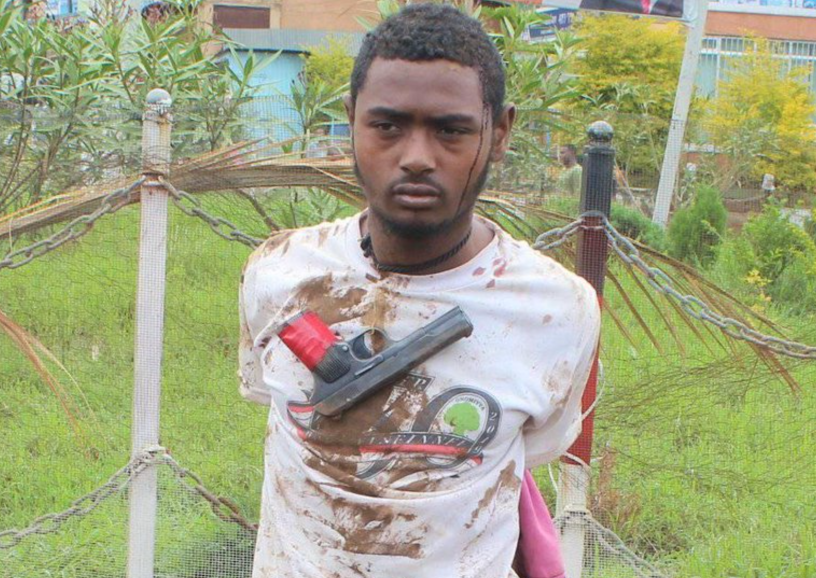
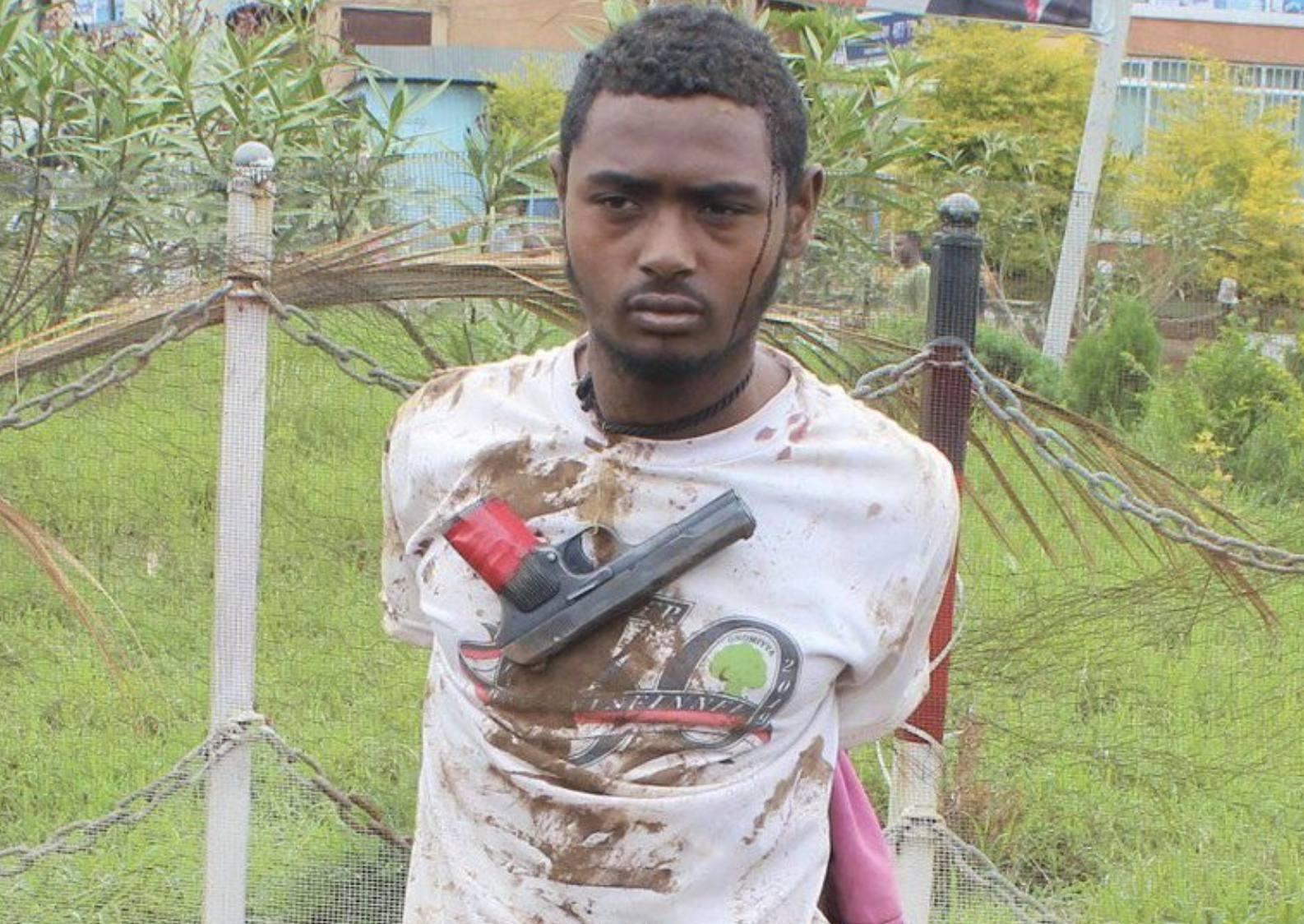
In May 2021, Oromia security forces summarily executed Amanuel Wendimu in the town of Dembi Dollo after parading him in public and forcing him to make self-incriminating statements.

The Dembi Dollo Communication Office justified this cruel act of summary execution by citing the victim’s alleged participation in Abba Torbe, a clandestine assassin group in Oromia.

Similarly, credible media reports condemned Ethiopian security forces for taking prisoners out of their cells, particularly in Oromia, and executing them. There have also been times when security forces passively condoned gross human rights violations perpetrated through mob ‘justice’, thereby participating in the crime through omission.

INDEPENDENT OVERSIGHT

These and other horrendous violations demonstrate the entrenched nature of the security forces’ human rights abuses and indicate that their repressive attitude has not withered away.

The investigations into these and other similar allegations of violence by security forces remain largely obscure. For example, the federal and regional police commissions have failed to publicize data concerning the number of complaints they have received from individuals alleging police acts of human rights abuse, the number of perpetrators that were held accountable, and cases that were rejected without further consideration.

Ethiopia has an international obligation to conduct an effective investigation into human rights abuses committed by its security forces. International jurisprudence requires that an investigation into complaints of police violence must be conducted impartially by ensuring the personal, structural, and institutional independence of the investigating entity.

Accountability for atrocities—why Ethiopia should join the ICC

by Kassahun Molla Yilma

To be effective, this type of investigation should be promptly and thoroughly conducted by experts who are not implicated in the commission of the offense, and with full guarantees of participation by victims and their families in the investigation process.

To properly investigate such crimes, there is a need to establish an independent domestic body with nationwide jurisdiction. Such an institution is needed because there is a high probability of bias when police are tasked with investigating the crimes of fellow officers. The possibility for officers’ to shield or protect their fellows from accountability through refusal to investigate or suboptimal investigation is high.

Moreover, victims alleging police violence overwhelmingly refrain from filing a complaint to the same institution and police stations where they had previously been subjected to human rights abuses, due to fear of retribution and being victimized a second time.

Our ‘protectors’ in blue: Police brutality and misconduct in Ethiopia

by Ayele Woubshet

Furthermore, the thematic questions to be addressed by the investigating body would need to go beyond the individual responsibility of the offending police officers. Because the abuses committed by security officers are allegedly so pervasive, there would also need to be an investigation concerning broader institutional responsibility.

Thus, at least as a matter of public perception, assigning an investigatory mandate to the same institution implicated in committing the offense—and that as a result has a stake in the outcome of the case—would compromise the independence of the investigation.

LEGAL GAP

The legal gap is another factor contributing to the security forces’ horrendous brutalities.

Ethiopia lacks consolidated and comprehensive laws that regulate police use of force. The limited provisions on the matter scattered in the 2004 Criminal Code and other criminal statutes remain inadequate and below international standards.

Independent voices have criticized security personnel for using unnecessary and excessive force. Such criticism has increased due to the security personnel’s use of unchecked violence in some regions, arguably to control crime in areas where insurgents are fighting with government forces.

Judicial reform in Ethiopia: Inching towards justice

by Leul Estifanos

In these areas, the Ethiopian public has witnessed patterns of summary executions, extrajudicial killings, and police defiance of court orders.

The Ethiopian government promised that it would finalize the drafting process of the consolidated law on the use of force in 2019. However, the country has thus far failed to deliver on its promises.

Furthermore, the current Criminal Procedure Code lacks special rules that guarantee the effectiveness of investigations into alleged human rights crimes committed by security forces.

WE NEED YOUR SUPPORT TO ANALYZE NEWS FROM ACROSS ETHIOPIA
PLEASE HELP FUND ETHIOPIA INSIGHT’S COVERAGE

The substantive criminal law has dedicated some sections to crimes that police and members of the Ethiopian National Defense Forces (ENDF) might commit. However, the investigation of crimes committed by people in uniform is governed by the same Criminal Procedure Code that regulates the investigation of other crimes, and this code does not contain rules that ensure the practical independence of investigators.

There is no separate institution authorized to conduct an investigation when police brutality and ill-treatment are alleged. Due to this institutional gap, the same police institutions and officers or their associates are entrusted to investigate crimes committed by the police or security officials.

PRACTICAL CHALLENGES

According to Article 6 (3) of the Attorney General Establishment Proclamation, the Federal Attorney General’s Office (now the Ministry of Justice) is tasked to lead the criminal investigation process.

Article 2 (c) of the recently adopted Definition of Powers and Duties of the Executive Organs Proclamation 1263/2021 empowers the Ministry of Justice to “oversee, follow up and coordinate the criminal investigation function of the Federal Police investigation division and require that a report be submitted to it.”

The Ethiopian Human Rights Roadmap: a feeble bulwark against atrocity crimes

by Yohannes Eneyew Ayalew

However, the role of public prosecutors to ensure the independence of the investigation process has been marred and effectively negated by practical challenges.

The police force has been given an extensive role in investigating human rights crimes committed by its members. There have been various credible reports concerning police rejecting instructions from the prosecution office without accountability and police rebuffing court orders.

The investigation wing of the police institution is accountable to their respective federal, regional, or city administrations’ police commissions. Neither the Ministry of Justice nor Regional State Justice Bureaus have a mandate to hire, fire, or take administrative action against police investigators.

FOLLOW ETHIOPIA INSIGHT   

Even when taking criminal action against offending investigators, prosecutors have to rely on the police to investigate.

The Attorney General Establishment Proclamation authorizes public prosecutors to lead criminal investigations, but the prosecution office lacks a clear legal mandate to conduct a solo investigation. The role of public prosecutors in criminal investigation is merely supervision in practice and hence insufficient to guarantee the independence of investigations into human rights abuses.

INQUIRY COMMISSIONS

Ethiopia has experience with establishing independent commissions of inquiry to investigate crimes committed by police, security personnel, and military forces—even though the de facto independence of such commissions was questionable.

Ethiopia established an ‘independent’ inquiry commission after the conflict in Gambella, and another inquiry commission to investigate political disorder in Addis Abeba following the contested May 2005 elections that descended into street violence.

An Independent Inquiry Commission can ease Ethiopian impunity

by Brook Kebede

Recently, Ethiopia established an Inter-Ministerial Taskforce to investigate crimes and human rights violations committed during the conflict in Tigray that later expanded to the neighboring Afar and Amhara regions.

The two inquiry commissions were established by proclamations and their role was only to conduct a fact-finding exercise; they didn’t have the authority to prosecute alleged offenders.

STRUCTURAL DEFICITS

The extent and nature of human rights violations by security forces in Ethiopia is appalling.

The Ethiopian government must assertively defend the democratic order from regression, counter the authoritarian behavior of the police and security agencies, and take drastic measures to ensure accountability for human rights violations.

Reducing impunity in Ethiopia via the United Nations

by Yigedebal Abay

One such measure would be adopting a comprehensive law to address the absence of a legal framework regulating police use of force and adopting procedural rules that warrant full independence for the investigation of police crimes.

Addressing the structural defects and institutional gaps in relation to criminal investigations into alleged police or security forces’ human rights crimes is another measure that the government should take to eliminate the conditions that are serving as the breeding ground for impunity.

If the Ethiopian government is sincere in its public declaration to end impunity, it is high time for it to defend the democratic transition from regression. It should do so by establishing a genuinely independent body, with perpetual existence, with a mandate to conduct thorough investigations into human rights crimes committed by its agents.

Disclaimer: Although the author is a prosecutor at the Ministry of Justice, he wrote this article in his personal capacity by using publicly available information. Opinions expressed here are his and not of the Ministry.

EPDP Magazines